Manga
Description
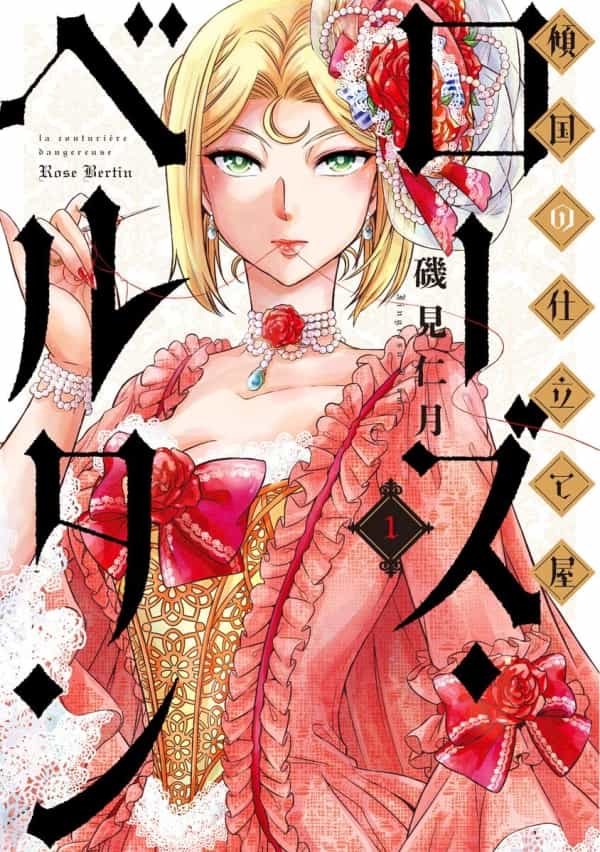
"Keikoku no Shitateya Rose Bertin" is set in 18th-century France, during the tumultuous years leading up to the French Revolution. The story centers on Rose Bertin, a talented and ambitious dressmaker who rises from humble beginnings to become the official fashion designer for Queen Marie Antoinette. Rose’s journey is marked by her relentless pursuit of excellence in her craft, navigating the intricate social and political landscape of Versailles. Her creations not only reflect the opulence of the French court but also serve as a mirror to the shifting tides of power and public sentiment.
The narrative explores Rose’s relationships with key historical figures, particularly Marie Antoinette, whose patronage elevates Rose to unprecedented heights. However, this alliance also ties her fate to the queen’s, as the growing discontent among the French populace begins to threaten the monarchy. Rose’s position as a commoner in the royal court places her in a precarious situation, forcing her to balance her loyalty to the queen with the realities of a society on the brink of revolution.
Throughout the series, Rose’s character is portrayed as both resilient and resourceful, using her skills and wit to navigate the challenges of her environment. The story delves into themes of ambition, class struggle, and the transformative power of art, as Rose’s designs become symbols of both luxury and excess. The manga also highlights the broader historical context, depicting the growing unrest among the lower classes and the eventual collapse of the ancien régime.
The supporting cast includes a mix of historical and fictional characters, each contributing to the rich tapestry of the narrative. Figures such as Louis XVI, the Comte de Provence, and various courtiers provide insight into the political and social dynamics of the time. Fictional characters, including rival dressmakers and commoners, add depth to Rose’s personal and professional struggles, illustrating the complexities of her world.
"Keikoku no Shitateya Rose Bertin" combines historical drama with a focus on fashion, offering a unique perspective on a pivotal period in French history. The series meticulously portrays the intricacies of 18th-century dressmaking, emphasizing the artistry and labor behind Rose’s creations. At the same time, it captures the tension and upheaval of the era, presenting a compelling narrative that intertwines personal ambition with historical events.
The narrative explores Rose’s relationships with key historical figures, particularly Marie Antoinette, whose patronage elevates Rose to unprecedented heights. However, this alliance also ties her fate to the queen’s, as the growing discontent among the French populace begins to threaten the monarchy. Rose’s position as a commoner in the royal court places her in a precarious situation, forcing her to balance her loyalty to the queen with the realities of a society on the brink of revolution.
Throughout the series, Rose’s character is portrayed as both resilient and resourceful, using her skills and wit to navigate the challenges of her environment. The story delves into themes of ambition, class struggle, and the transformative power of art, as Rose’s designs become symbols of both luxury and excess. The manga also highlights the broader historical context, depicting the growing unrest among the lower classes and the eventual collapse of the ancien régime.
The supporting cast includes a mix of historical and fictional characters, each contributing to the rich tapestry of the narrative. Figures such as Louis XVI, the Comte de Provence, and various courtiers provide insight into the political and social dynamics of the time. Fictional characters, including rival dressmakers and commoners, add depth to Rose’s personal and professional struggles, illustrating the complexities of her world.
"Keikoku no Shitateya Rose Bertin" combines historical drama with a focus on fashion, offering a unique perspective on a pivotal period in French history. The series meticulously portrays the intricacies of 18th-century dressmaking, emphasizing the artistry and labor behind Rose’s creations. At the same time, it captures the tension and upheaval of the era, presenting a compelling narrative that intertwines personal ambition with historical events.
Comment(s)
Staff
- Story & ArtJingetsu Isomi
Recommendations
Empfehlungen auf Basis gemeinsamer Kategorien.