Manga
Description
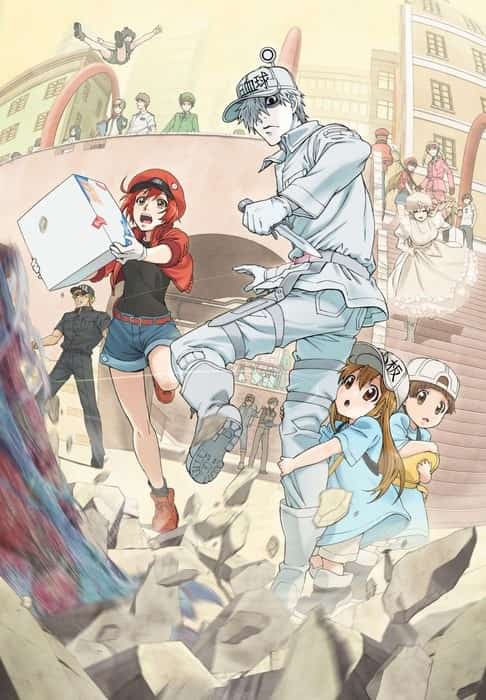
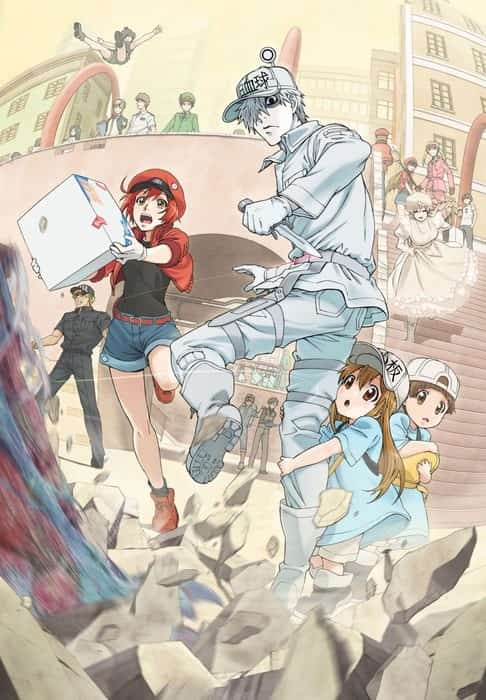
"Cells at Work! Lady" is a spin-off of the popular "Cells at Work!" series, focusing on the daily lives of cells within the female human body. The narrative centers on a Red Blood Cell (AA2153) and a White Blood Cell (U-1196), who navigate the complex and dynamic environment of a woman's body. The story explores the unique biological processes and challenges faced by cells in a female context, such as menstruation, pregnancy, and hormonal fluctuations, while maintaining the educational and anthropomorphic approach of the original series.
The Red Blood Cell, AA2153, is tasked with delivering oxygen and nutrients throughout the body, encountering various obstacles and threats along the way. U-1196, the White Blood Cell, serves as a defender against pathogens and infections, often stepping in to protect AA2153 and other cells from harm. Their interactions highlight the collaborative nature of the body's systems, emphasizing teamwork and resilience.
The manga delves into specific biological events, such as the menstrual cycle, where cells work together to manage the shedding of the uterine lining and prepare for potential fertilization. It also addresses pregnancy, depicting the intricate changes and adaptations cells undergo to support fetal development. Hormonal changes, such as those during ovulation or menopause, are explored in detail, showcasing how cells respond to fluctuating levels of estrogen and progesterone.
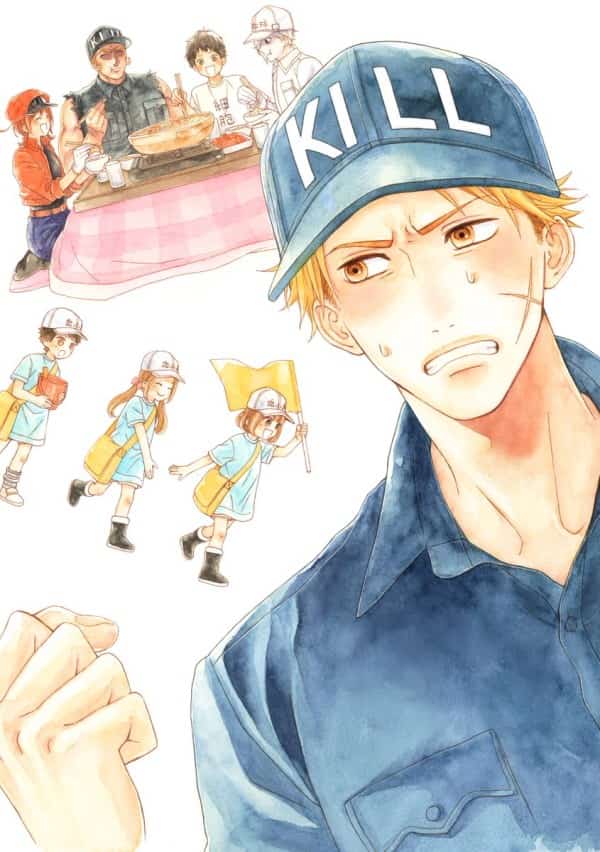
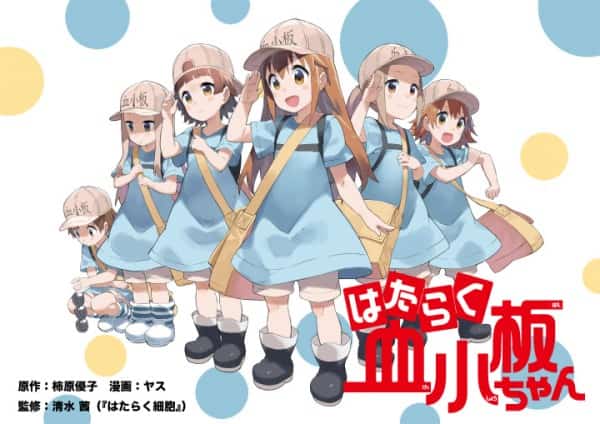
Supporting characters, including Platelets, Macrophages, and Killer T Cells, play vital roles in maintaining bodily functions and responding to emergencies. The narrative balances educational content with character-driven moments, providing insight into the biological processes while humanizing the cells through their interactions and challenges.
"Cells at Work! Lady" maintains the scientific accuracy and engaging storytelling of its predecessor, offering a unique perspective on the female body's inner workings. The series combines humor, drama, and action, making complex biological concepts accessible and entertaining for readers.
The Red Blood Cell, AA2153, is tasked with delivering oxygen and nutrients throughout the body, encountering various obstacles and threats along the way. U-1196, the White Blood Cell, serves as a defender against pathogens and infections, often stepping in to protect AA2153 and other cells from harm. Their interactions highlight the collaborative nature of the body's systems, emphasizing teamwork and resilience.
The manga delves into specific biological events, such as the menstrual cycle, where cells work together to manage the shedding of the uterine lining and prepare for potential fertilization. It also addresses pregnancy, depicting the intricate changes and adaptations cells undergo to support fetal development. Hormonal changes, such as those during ovulation or menopause, are explored in detail, showcasing how cells respond to fluctuating levels of estrogen and progesterone.
Supporting characters, including Platelets, Macrophages, and Killer T Cells, play vital roles in maintaining bodily functions and responding to emergencies. The narrative balances educational content with character-driven moments, providing insight into the biological processes while humanizing the cells through their interactions and challenges.
"Cells at Work! Lady" maintains the scientific accuracy and engaging storytelling of its predecessor, offering a unique perspective on the female body's inner workings. The series combines humor, drama, and action, making complex biological concepts accessible and entertaining for readers.
Comment(s)
Staff
- Story
Relations
Anime overview