Manga
Description
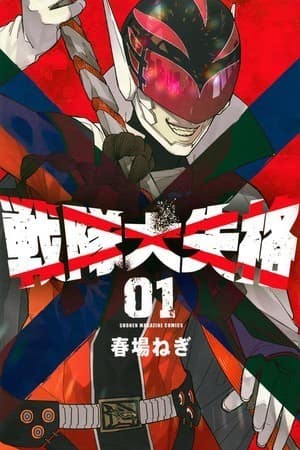
"Go, Go, Loser Ranger!" is a manga series that subverts traditional superhero tropes by presenting a world where the heroic "Rangers" are revered as saviors, but their victory over the "Invaders" is not as straightforward as it seems. The story is set in a society where the Rangers, a group of flashy, celebrity-like heroes, are celebrated for defeating the monstrous Invaders years ago. However, the truth is far more complex: the Invaders were never truly defeated. Instead, they were forced into a humiliating arrangement where they must stage fake battles with the Rangers to maintain the illusion of heroism and order.
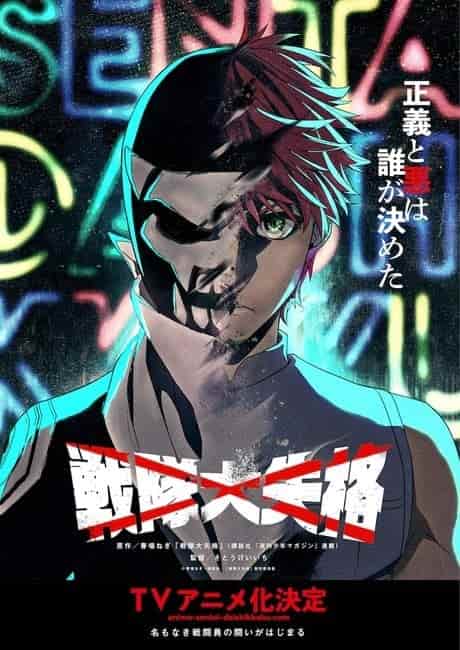
The protagonist is a low-ranking Invader soldier, referred to as "D," who has grown disillusioned with the charade. Unlike his fellow Invaders, who have resigned themselves to their role as perpetual losers, D harbors a deep resentment toward the Rangers and the system that oppresses his kind. Disguising himself as a human, D infiltrates the Rangers' base to gather information and eventually seek revenge. His goal is to expose the truth about the Rangers and dismantle the oppressive hierarchy that keeps the Invaders subjugated.
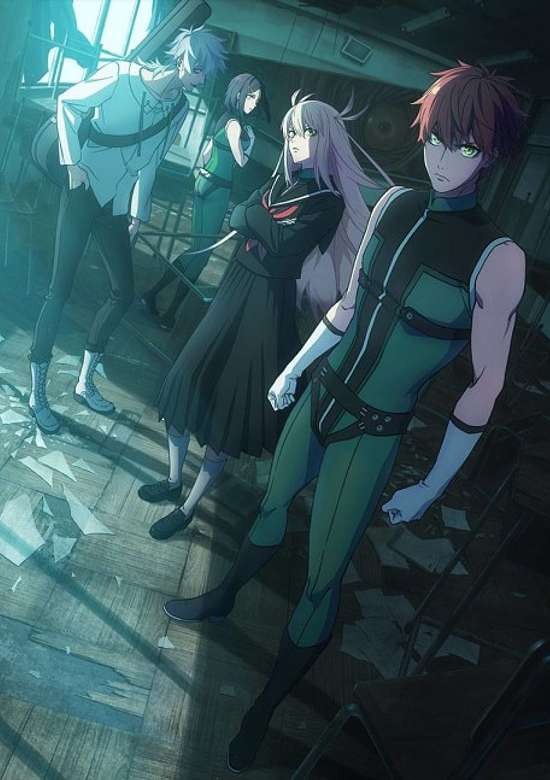
The Rangers themselves are portrayed as self-absorbed and morally ambiguous figures. They are more concerned with maintaining their public image and indulging in their fame than with genuine heroism. Their leader, Red, embodies this hypocrisy, using his position to manipulate both his team and the public. Other key characters include Blue, a ruthless and calculating Ranger, and Yellow, who struggles with the moral implications of their actions. The dynamic between the Rangers and D creates a tense and morally gray narrative, as the lines between hero and villain blur.
As the story progresses, D's infiltration leads to escalating conflicts, both within the Rangers' ranks and among the Invaders. The series explores themes of oppression, rebellion, and the corrupting influence of power, challenging the traditional dichotomy of good versus evil. The narrative is driven by D's determination to expose the truth and the Rangers' efforts to maintain their facade, resulting in a gripping and unpredictable storyline. The manga balances action, intrigue, and character development, offering a fresh take on the superhero genre while delving into the complexities of its world and characters.
The protagonist is a low-ranking Invader soldier, referred to as "D," who has grown disillusioned with the charade. Unlike his fellow Invaders, who have resigned themselves to their role as perpetual losers, D harbors a deep resentment toward the Rangers and the system that oppresses his kind. Disguising himself as a human, D infiltrates the Rangers' base to gather information and eventually seek revenge. His goal is to expose the truth about the Rangers and dismantle the oppressive hierarchy that keeps the Invaders subjugated.
The Rangers themselves are portrayed as self-absorbed and morally ambiguous figures. They are more concerned with maintaining their public image and indulging in their fame than with genuine heroism. Their leader, Red, embodies this hypocrisy, using his position to manipulate both his team and the public. Other key characters include Blue, a ruthless and calculating Ranger, and Yellow, who struggles with the moral implications of their actions. The dynamic between the Rangers and D creates a tense and morally gray narrative, as the lines between hero and villain blur.
As the story progresses, D's infiltration leads to escalating conflicts, both within the Rangers' ranks and among the Invaders. The series explores themes of oppression, rebellion, and the corrupting influence of power, challenging the traditional dichotomy of good versus evil. The narrative is driven by D's determination to expose the truth and the Rangers' efforts to maintain their facade, resulting in a gripping and unpredictable storyline. The manga balances action, intrigue, and character development, offering a fresh take on the superhero genre while delving into the complexities of its world and characters.
Comment(s)
Staff
- Story & Art
Relations