TV-Series
Description
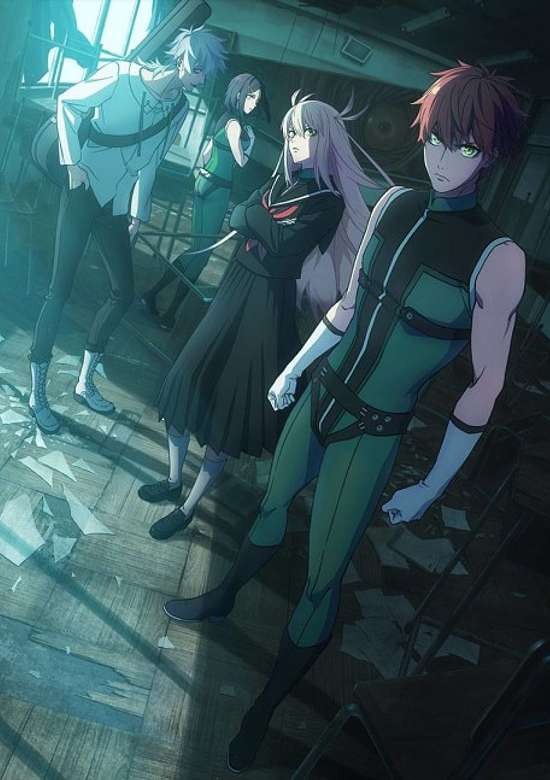
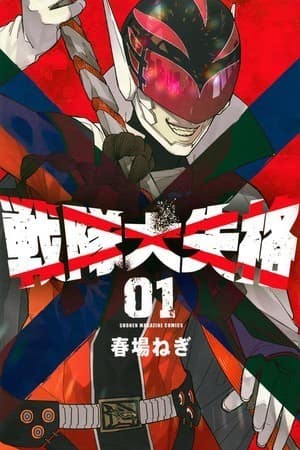
"Go, Go, Loser Ranger!" is set in a world where humanity is under constant threat from monstrous invaders known as the "Kaijuu." To combat this menace, an elite team of heroes called the "Rangers" is formed, celebrated as saviors and idols by the public. However, the narrative takes a unique twist by shifting focus to the perspective of the Kaijuu, revealing a hidden layer of oppression and exploitation. The Rangers, while revered as protectors, secretly dominate and humiliate the Kaijuu, forcing them to stage repetitive, scripted battles for entertainment and public morale.
The protagonist is a low-ranking Kaijuu who grows disillusioned with the system. Tired of being a pawn in the Rangers' spectacle, he decides to infiltrate their ranks by disguising himself as a human. Adopting the alias "D," he joins the Rangers' training program, aiming to dismantle their oppressive regime from within. As D navigates the complexities of the Rangers' hierarchy, he uncovers dark secrets about their true nature and the extent of their control over both humans and Kaijuu. Along the way, he forms uneasy alliances with other Kaijuu who share his desire for freedom, as well as humans who begin to question the Rangers' motives.
The series explores themes of rebellion, identity, and the moral ambiguity of heroism. D's journey is marked by internal conflict as he grapples with his dual identity and the ethical dilemmas of his mission. The Rangers, initially portrayed as flawless icons, are gradually revealed to be deeply flawed individuals, driven by personal ambition and a desire for power. The narrative challenges the traditional hero-villain dichotomy, presenting a nuanced portrayal of both sides.
Key characters include D, whose determination and resourcefulness drive the plot; the Rangers' leader, a charismatic yet manipulative figure who embodies the corruption of the system; and a human ally who becomes a pivotal figure in D's quest for justice. The interplay between these characters creates a dynamic and engaging story, blending action, intrigue, and emotional depth. "Go, Go, Loser Ranger!" offers a fresh take on the superhero genre, subverting expectations and delivering a thought-provoking exploration of power, oppression, and resistance.
The protagonist is a low-ranking Kaijuu who grows disillusioned with the system. Tired of being a pawn in the Rangers' spectacle, he decides to infiltrate their ranks by disguising himself as a human. Adopting the alias "D," he joins the Rangers' training program, aiming to dismantle their oppressive regime from within. As D navigates the complexities of the Rangers' hierarchy, he uncovers dark secrets about their true nature and the extent of their control over both humans and Kaijuu. Along the way, he forms uneasy alliances with other Kaijuu who share his desire for freedom, as well as humans who begin to question the Rangers' motives.
The series explores themes of rebellion, identity, and the moral ambiguity of heroism. D's journey is marked by internal conflict as he grapples with his dual identity and the ethical dilemmas of his mission. The Rangers, initially portrayed as flawless icons, are gradually revealed to be deeply flawed individuals, driven by personal ambition and a desire for power. The narrative challenges the traditional hero-villain dichotomy, presenting a nuanced portrayal of both sides.
Key characters include D, whose determination and resourcefulness drive the plot; the Rangers' leader, a charismatic yet manipulative figure who embodies the corruption of the system; and a human ally who becomes a pivotal figure in D's quest for justice. The interplay between these characters creates a dynamic and engaging story, blending action, intrigue, and emotional depth. "Go, Go, Loser Ranger!" offers a fresh take on the superhero genre, subverting expectations and delivering a thought-provoking exploration of power, oppression, and resistance.
Episodes
Staffel 1
1We Are Justice! The Dragon Keepers!
2Go! Fighter D!
3Our Evil Will Bloom, Someday.
4The Soldier with Love, Hibiki!
5Fighter D, as a Part of "Ranger Force"
61 Plus 2 Equals... Threat!
7The Zigzag Road to the Final Exam!
8Shout Out Loud, Cadets!
9Battle! Fever! Fighter D!
10It’s Showtime for Blue Keeper!
11On the Road to My Justice!
12Never Stop, Fighter D!
Cast
- Tsukasa Shippou
- Yellow Keeper
- Renren Akebayashi
- Yamato Kurusu
- Peltrola
- Guardián Verde
- Tsukasa Shippō
- Sōjirō Ishikawa
- Ranmaru Koguma
- Shun Tokita
- Soujirou Ishikawa
- Yumeko Suzukiri
- Óscar de la Rosa
- Troupiére XX
- Troupier DStéphane Otero
- Ryūjin-kun
Comment(s)
Staff
- DirectorKeiichi Satō
- Series CompositionKeiichirō Ōchi
- StoryboardKazuyoshi KatayamaHiroshi TakeuchiKeiichi SatōIwao TeraokaTakashi IgariKiyotaka SuzukiFukutarō TakahashiKazuki YokouchiTakahiro Kaneko
- MusicYoshihiro Ike
- Art DirectorTaketo Gonpei
- 3D DirectorTakayuki ChibaShinsaku Takeuchi
- Executive producerToshio IizukaToshihiro SuzukiShin FurukawaShinya WatanabeYan Jie Pei
- Original creator
- Script
- Episode DirectorHiroshi TakeuchiTakashi IgariAyumi OnoYasunori GotōFukutarō TakahashiShigatsu YoshikawaTatsuya NokimoriKazuki YokouchiTakahiro Kaneko
- Character DesignKahoko Koseki
- Animation DirectorKazuyoshi KatayamaSatoshi IsonoYoshiyuki ItōKeiji IshiharaEmi HondaSatoshi SakaiSayaka TodaMiki TakemotoShiori KobayashiShotaro HamanakaYūya SakuraiKeisuke Goto
- Director of PhotographyJun Kubota
- ProducerMasahiko ItoYūji SuzukiNoriyuki AkitaYoshimasa Okunaga
Production
- Animation ProductionYostar Pictures
News2