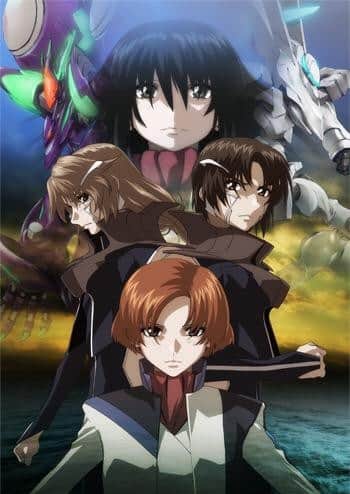
Description
"Fafner: Dead Aggressor" is a science fiction mecha manga series set in a world where humanity faces an existential threat from mysterious alien entities known as the Festum. The story unfolds on Tatsumiyajima, a remote island that serves as a sanctuary for a small community of humans. The island is protected by a powerful defensive system and advanced humanoid mecha called Fafners, which are piloted by young individuals chosen for their compatibility with the machines.
The narrative centers on Kazuki Makabe, a seemingly ordinary teenager who becomes a Fafner pilot after the sudden death of his older brother, Soushi Minashiro, who was originally slated for the role. Kazuki’s journey is marked by his struggle to come to terms with his new responsibilities and the emotional toll of losing his brother. Soushi’s absence is further complicated by the revelation that his consciousness has been absorbed by the Festum, blurring the lines between friend and foe.
As the Festum intensify their attacks, the island’s inhabitants must confront not only the external threat but also internal conflicts and ethical dilemmas. The Festum are revealed to be highly intelligent beings capable of assimilating human minds and memories, raising questions about identity, coexistence, and the nature of humanity. The pilots of the Fafners, including Kazuki, Maya Toomi, and others, grapple with the psychological and physical strain of their battles, as well as the moral implications of their actions.
The story explores themes of sacrifice, resilience, and the cost of survival. The characters are forced to make difficult choices, often at great personal cost, as they fight to protect their home and loved ones. The narrative delves into the relationships between the pilots, their families, and the broader community, highlighting the interconnectedness of their lives and the shared burden of their struggle.
"Fafner: Dead Aggressor" combines intense mecha action with a deeply emotional and philosophical storyline. The series examines the human condition in the face of overwhelming adversity, offering a nuanced portrayal of its characters and their evolving relationships. The plot is driven by a balance of high-stakes battles and introspective moments, creating a compelling and thought-provoking narrative.
The narrative centers on Kazuki Makabe, a seemingly ordinary teenager who becomes a Fafner pilot after the sudden death of his older brother, Soushi Minashiro, who was originally slated for the role. Kazuki’s journey is marked by his struggle to come to terms with his new responsibilities and the emotional toll of losing his brother. Soushi’s absence is further complicated by the revelation that his consciousness has been absorbed by the Festum, blurring the lines between friend and foe.
As the Festum intensify their attacks, the island’s inhabitants must confront not only the external threat but also internal conflicts and ethical dilemmas. The Festum are revealed to be highly intelligent beings capable of assimilating human minds and memories, raising questions about identity, coexistence, and the nature of humanity. The pilots of the Fafners, including Kazuki, Maya Toomi, and others, grapple with the psychological and physical strain of their battles, as well as the moral implications of their actions.
The story explores themes of sacrifice, resilience, and the cost of survival. The characters are forced to make difficult choices, often at great personal cost, as they fight to protect their home and loved ones. The narrative delves into the relationships between the pilots, their families, and the broader community, highlighting the interconnectedness of their lives and the shared burden of their struggle.
"Fafner: Dead Aggressor" combines intense mecha action with a deeply emotional and philosophical storyline. The series examines the human condition in the face of overwhelming adversity, offering a nuanced portrayal of its characters and their evolving relationships. The plot is driven by a balance of high-stakes battles and introspective moments, creating a compelling and thought-provoking narrative.
Comment(s)