Manga
Description
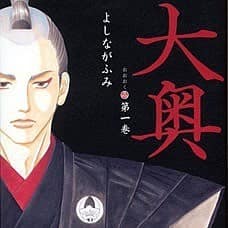
"Ōoku: The Inner Chambers" is a historical fantasy manga set in an alternate version of Edo-period Japan, where a mysterious disease has drastically reduced the male population, leading to a matriarchal society. Women now hold positions of power, including the shogunate, while men are relegated to roles traditionally occupied by women. The narrative explores the political and social dynamics of this gender-reversed world, focusing on the inner workings of the Ōoku, the shogun's harem, which is now populated by men serving the female shogun.
The story begins with the introduction of Yoshimune, the eighth shogun, who ascends to power after the death of her predecessor. Curious about the origins of the Ōoku and its influence on the shogunate, Yoshimune investigates its history, uncovering layers of intrigue, power struggles, and personal tragedies. The narrative frequently shifts between the present and the past, revealing the lives of previous shoguns and the men who served them. Central to the story is the relationship between the shogun and her consorts, as well as the complex interplay of loyalty, love, and ambition within the Ōoku.
Key characters include Yoshimune, a pragmatic and forward-thinking leader determined to reform the shogunate; Arikoto, a Buddhist monk who becomes a consort and confidant to Yoshimune; and various historical figures reimagined within this alternate reality, such as Tokugawa Iemitsu, a former shogun whose reign marked a turning point in the Ōoku's history. The manga delves into themes of gender roles, power dynamics, and the consequences of societal upheaval, all while maintaining a strong focus on the personal struggles and relationships of its characters.
The plot intertwines political maneuvering with intimate character studies, offering a nuanced portrayal of a society grappling with the implications of its transformed social order. Through its exploration of the Ōoku, the series examines how power is wielded, how traditions are preserved or challenged, and how individuals navigate their roles in a world where gender norms have been upended. The narrative is rich with historical detail, blending real events and figures with speculative elements to create a compelling and thought-provoking story.
The story begins with the introduction of Yoshimune, the eighth shogun, who ascends to power after the death of her predecessor. Curious about the origins of the Ōoku and its influence on the shogunate, Yoshimune investigates its history, uncovering layers of intrigue, power struggles, and personal tragedies. The narrative frequently shifts between the present and the past, revealing the lives of previous shoguns and the men who served them. Central to the story is the relationship between the shogun and her consorts, as well as the complex interplay of loyalty, love, and ambition within the Ōoku.
Key characters include Yoshimune, a pragmatic and forward-thinking leader determined to reform the shogunate; Arikoto, a Buddhist monk who becomes a consort and confidant to Yoshimune; and various historical figures reimagined within this alternate reality, such as Tokugawa Iemitsu, a former shogun whose reign marked a turning point in the Ōoku's history. The manga delves into themes of gender roles, power dynamics, and the consequences of societal upheaval, all while maintaining a strong focus on the personal struggles and relationships of its characters.
The plot intertwines political maneuvering with intimate character studies, offering a nuanced portrayal of a society grappling with the implications of its transformed social order. Through its exploration of the Ōoku, the series examines how power is wielded, how traditions are preserved or challenged, and how individuals navigate their roles in a world where gender norms have been upended. The narrative is rich with historical detail, blending real events and figures with speculative elements to create a compelling and thought-provoking story.
Comment(s)
Staff
- Story & Art
Company
- Egmont Manga & Anime · 1
Recommendations
Empfehlungen auf Basis gemeinsamer Kategorien.