Manga
Description
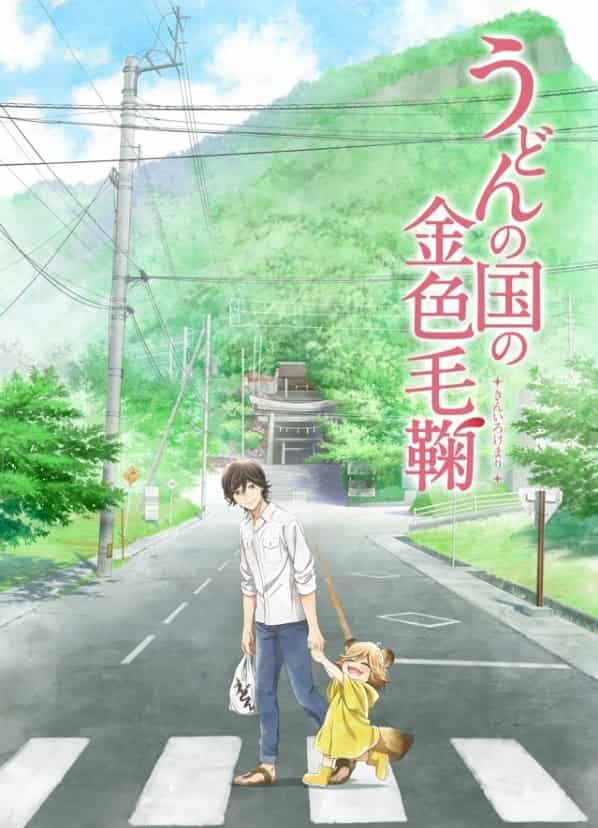
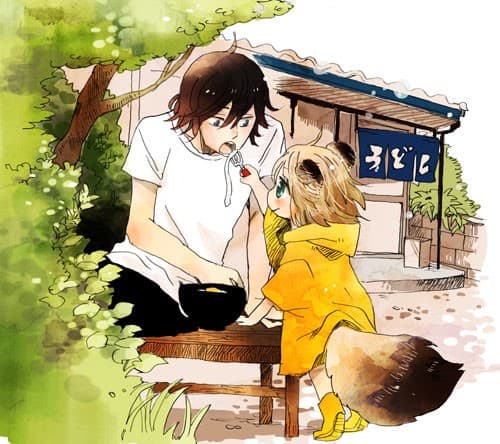
Souta Tawara, a web designer in his late twenties, returns to his hometown in Kagawa Prefecture after the death of his father, intending to sell the family’s udon restaurant. While cleaning the property, he encounters a mysterious young boy with golden hair and a tail, who claims to be a tanuki spirit. The boy, named Poco, quickly forms a bond with Souta, who decides to care for him despite his initial confusion. As Souta reconnects with his roots and childhood memories, Poco’s presence begins to influence his perspective on life, family, and responsibility.
The narrative explores Souta’s relationships with those around him, including his estranged older brother, Nakajima, who harbors unresolved feelings about their father’s legacy. The story also delves into the lives of other townspeople, such as Rinko, a childhood friend who works at a local udon shop, and her daughter, Yuki, who becomes fond of Poco. Through these interactions, the series examines themes of grief, reconciliation, and the importance of community.
Poco’s true nature as a tanuki remains a central mystery, with his magical abilities occasionally surfacing in subtle ways. His childlike innocence and curiosity often lead to heartwarming or humorous situations, contrasting with Souta’s more grounded and pragmatic demeanor. As Souta navigates his responsibilities and rekindles his connection to the udon-making tradition, Poco serves as a catalyst for his personal growth and emotional healing.
The setting of Kagawa Prefecture, known for its udon culture, plays a significant role in the story, with the local cuisine and traditions woven into the narrative. The udon restaurant becomes a symbol of Souta’s family history and a focal point for his journey of self-discovery. The series balances slice-of-life moments with deeper emotional undertones, creating a narrative that is both lighthearted and poignant. Through its exploration of family, identity, and the passage of time, the story offers a reflective and heartfelt portrayal of human connections and the enduring impact of the past.
The narrative explores Souta’s relationships with those around him, including his estranged older brother, Nakajima, who harbors unresolved feelings about their father’s legacy. The story also delves into the lives of other townspeople, such as Rinko, a childhood friend who works at a local udon shop, and her daughter, Yuki, who becomes fond of Poco. Through these interactions, the series examines themes of grief, reconciliation, and the importance of community.
Poco’s true nature as a tanuki remains a central mystery, with his magical abilities occasionally surfacing in subtle ways. His childlike innocence and curiosity often lead to heartwarming or humorous situations, contrasting with Souta’s more grounded and pragmatic demeanor. As Souta navigates his responsibilities and rekindles his connection to the udon-making tradition, Poco serves as a catalyst for his personal growth and emotional healing.
The setting of Kagawa Prefecture, known for its udon culture, plays a significant role in the story, with the local cuisine and traditions woven into the narrative. The udon restaurant becomes a symbol of Souta’s family history and a focal point for his journey of self-discovery. The series balances slice-of-life moments with deeper emotional undertones, creating a narrative that is both lighthearted and poignant. Through its exploration of family, identity, and the passage of time, the story offers a reflective and heartfelt portrayal of human connections and the enduring impact of the past.
Comment(s)
Staff
- Story & Art
Relations
Anime overview