Manga
Description
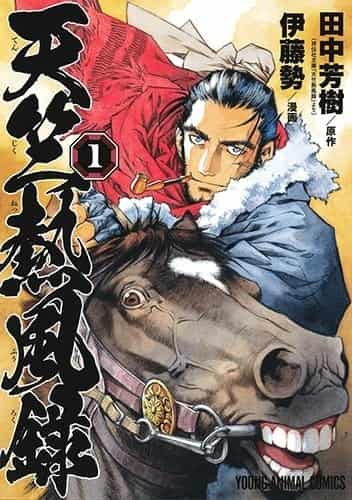
"Tenjiku Neppūroku" is a historical manga series set in the late 16th century, during Japan's tumultuous Sengoku period. The narrative centers on the life of Amakusa Shirō Tokisada, a young Christian leader who becomes a pivotal figure in the Shimabara Rebellion, a major uprising against the Tokugawa shogunate. The story begins with Shirō as a child, growing up in a rural Christian community in Kyushu. His charisma and perceived divine connection earn him the title of "messiah" among his followers, who believe he is destined to lead them to salvation.
As the shogunate intensifies its persecution of Christians, Shirō's community faces increasing hardship. The oppressive policies, including heavy taxation and religious suppression, push the peasants to the brink of rebellion. Shirō, now a teenager, emerges as a reluctant but determined leader, uniting the oppressed Christians and peasants in a desperate struggle for survival and freedom. The rebellion gains momentum, drawing in disaffected samurai and other marginalized groups, but it also attracts the attention of the shogunate's formidable military forces.
The manga delves into the complexities of Shirō's character, portraying him as both a visionary and a conflicted young man burdened by the weight of his followers' expectations. His relationships with key figures, such as his loyal friend and strategist, Masuda Jinbei, and the enigmatic samurai, Yamada Emosaku, add depth to the narrative. The story also explores the broader socio-political landscape of the time, highlighting the clash between faith and power, as well as the human cost of rebellion.
As the Shimabara Rebellion unfolds, the manga depicts the brutal realities of warfare, the strategic maneuvers of both sides, and the tragic consequences of the conflict. The climax sees Shirō and his followers making their last stand at Hara Castle, where they face overwhelming odds. The series concludes with a poignant reflection on the legacy of Shirō's rebellion and its impact on Japanese history.
"Tenjiku Neppūroku" combines historical accuracy with dramatic storytelling, offering a compelling portrayal of a pivotal moment in Japan's past. The manga's exploration of themes such as faith, leadership, and resistance resonates throughout its narrative, making it a significant work within the historical genre.
As the shogunate intensifies its persecution of Christians, Shirō's community faces increasing hardship. The oppressive policies, including heavy taxation and religious suppression, push the peasants to the brink of rebellion. Shirō, now a teenager, emerges as a reluctant but determined leader, uniting the oppressed Christians and peasants in a desperate struggle for survival and freedom. The rebellion gains momentum, drawing in disaffected samurai and other marginalized groups, but it also attracts the attention of the shogunate's formidable military forces.
The manga delves into the complexities of Shirō's character, portraying him as both a visionary and a conflicted young man burdened by the weight of his followers' expectations. His relationships with key figures, such as his loyal friend and strategist, Masuda Jinbei, and the enigmatic samurai, Yamada Emosaku, add depth to the narrative. The story also explores the broader socio-political landscape of the time, highlighting the clash between faith and power, as well as the human cost of rebellion.
As the Shimabara Rebellion unfolds, the manga depicts the brutal realities of warfare, the strategic maneuvers of both sides, and the tragic consequences of the conflict. The climax sees Shirō and his followers making their last stand at Hara Castle, where they face overwhelming odds. The series concludes with a poignant reflection on the legacy of Shirō's rebellion and its impact on Japanese history.
"Tenjiku Neppūroku" combines historical accuracy with dramatic storytelling, offering a compelling portrayal of a pivotal moment in Japan's past. The manga's exploration of themes such as faith, leadership, and resistance resonates throughout its narrative, making it a significant work within the historical genre.
Comment(s)
Staff
- Original creator
- ArtSei Itō
Recommendations
Empfehlungen auf Basis gemeinsamer Kategorien.