Manga
Description
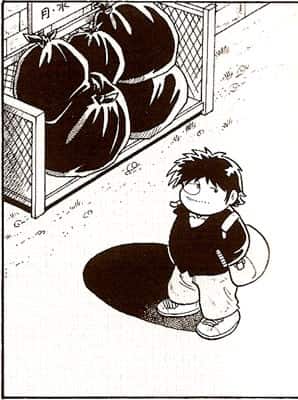
"Disappearance Diary" is a semi-autobiographical manga by Hideo Azuma, chronicling the author's experiences with homelessness, alcoholism, and mental health struggles. The narrative is divided into three distinct sections, each focusing on a different period of Azuma's life.
The first section details Azuma's initial disappearance from his daily life as a manga artist. Overwhelmed by the pressures of deadlines and personal dissatisfaction, he abruptly leaves his home and job, choosing to live on the streets. This segment provides a candid look at the realities of homelessness, from scavenging for food to finding makeshift shelters. Despite the harsh conditions, Azuma approaches his situation with a darkly humorous perspective, often finding absurdity in his circumstances.
The second section shifts to Azuma's time in a mental health facility. After being discovered and hospitalized, he undergoes treatment for alcoholism and depression. The narrative explores the routines and challenges of life within the institution, including interactions with other patients and the staff. Azuma's observations are both poignant and laced with his characteristic wit, offering insight into the complexities of mental health care and recovery.
The final section revisits Azuma's return to society and his attempts to reintegrate into the manga industry. Struggling to maintain sobriety and balance his work with his mental health, he reflects on the cyclical nature of his struggles. This part of the story highlights the ongoing challenges of recovery and the pressures of professional life, underscoring the fragility of stability.
Throughout the manga, Azuma's self-deprecating humor and straightforward storytelling provide a unique lens on serious topics. The protagonist, a fictionalized version of the author, is portrayed with honesty and vulnerability, making his journey relatable and impactful. The narrative does not shy away from the darker aspects of his experiences, yet it maintains a sense of resilience and humanity. "Disappearance Diary" stands as a raw and unflinching exploration of personal struggle, survival, and the quest for redemption.
The first section details Azuma's initial disappearance from his daily life as a manga artist. Overwhelmed by the pressures of deadlines and personal dissatisfaction, he abruptly leaves his home and job, choosing to live on the streets. This segment provides a candid look at the realities of homelessness, from scavenging for food to finding makeshift shelters. Despite the harsh conditions, Azuma approaches his situation with a darkly humorous perspective, often finding absurdity in his circumstances.
The second section shifts to Azuma's time in a mental health facility. After being discovered and hospitalized, he undergoes treatment for alcoholism and depression. The narrative explores the routines and challenges of life within the institution, including interactions with other patients and the staff. Azuma's observations are both poignant and laced with his characteristic wit, offering insight into the complexities of mental health care and recovery.
The final section revisits Azuma's return to society and his attempts to reintegrate into the manga industry. Struggling to maintain sobriety and balance his work with his mental health, he reflects on the cyclical nature of his struggles. This part of the story highlights the ongoing challenges of recovery and the pressures of professional life, underscoring the fragility of stability.
Throughout the manga, Azuma's self-deprecating humor and straightforward storytelling provide a unique lens on serious topics. The protagonist, a fictionalized version of the author, is portrayed with honesty and vulnerability, making his journey relatable and impactful. The narrative does not shy away from the darker aspects of his experiences, yet it maintains a sense of resilience and humanity. "Disappearance Diary" stands as a raw and unflinching exploration of personal struggle, survival, and the quest for redemption.
Comment(s)
Staff
- Story & ArtHideo Azuma
Recommendations
Empfehlungen auf Basis gemeinsamer Kategorien.