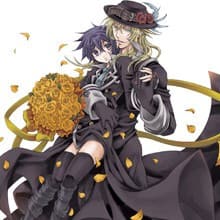
Manga
Description
"Sōgiya Riddle" is a manga series that blends elements of mystery, drama, and psychological intrigue. The narrative centers on Riddle, a young woman who works as a funeral director at her family's traditional funeral parlor, Sōgiya. The story unfolds in a setting where the funeral parlor serves as a backdrop for exploring themes of life, death, and the unresolved emotions tied to the deceased and their loved ones. Riddle possesses a unique ability: she can communicate with the spirits of the dead, allowing her to uncover the hidden truths and lingering regrets of those who have passed away.
The plot is driven by episodic cases, each focusing on a different deceased individual whose spirit seeks closure. Riddle, alongside her colleagues and acquaintances, delves into the lives of the dead, piecing together their stories and helping them find peace. These cases often reveal complex human emotions, such as guilt, love, betrayal, and forgiveness, as Riddle navigates the delicate balance between the living and the dead. Her interactions with the spirits are not merely transactional; they often challenge her own understanding of morality, justice, and the nature of human relationships.
Key characters include Riddle herself, whose calm and empathetic demeanor contrasts with the emotional weight of her work. Her colleagues at Sōgiya, each with their own distinct personalities and roles, provide support and occasionally become involved in the investigations. The spirits Riddle encounters are diverse, ranging from tragic figures to those with darker, more ambiguous motives. Through these interactions, the series explores the multifaceted nature of death and its impact on the living.
The narrative structure is both episodic and serialized, with individual cases contributing to an overarching exploration of Riddle's personal growth and the broader mysteries surrounding her abilities. The series maintains a somber yet thought-provoking tone, emphasizing the emotional and psychological dimensions of its themes. "Sōgiya Riddle" stands out for its introspective approach to storytelling, offering a nuanced portrayal of life, death, and the connections that bind them.
The plot is driven by episodic cases, each focusing on a different deceased individual whose spirit seeks closure. Riddle, alongside her colleagues and acquaintances, delves into the lives of the dead, piecing together their stories and helping them find peace. These cases often reveal complex human emotions, such as guilt, love, betrayal, and forgiveness, as Riddle navigates the delicate balance between the living and the dead. Her interactions with the spirits are not merely transactional; they often challenge her own understanding of morality, justice, and the nature of human relationships.
Key characters include Riddle herself, whose calm and empathetic demeanor contrasts with the emotional weight of her work. Her colleagues at Sōgiya, each with their own distinct personalities and roles, provide support and occasionally become involved in the investigations. The spirits Riddle encounters are diverse, ranging from tragic figures to those with darker, more ambiguous motives. Through these interactions, the series explores the multifaceted nature of death and its impact on the living.
The narrative structure is both episodic and serialized, with individual cases contributing to an overarching exploration of Riddle's personal growth and the broader mysteries surrounding her abilities. The series maintains a somber yet thought-provoking tone, emphasizing the emotional and psychological dimensions of its themes. "Sōgiya Riddle" stands out for its introspective approach to storytelling, offering a nuanced portrayal of life, death, and the connections that bind them.
Comment(s)
Staff
- Story & Art
Recommendations
Empfehlungen auf Basis gemeinsamer Kategorien.