Manga
Description
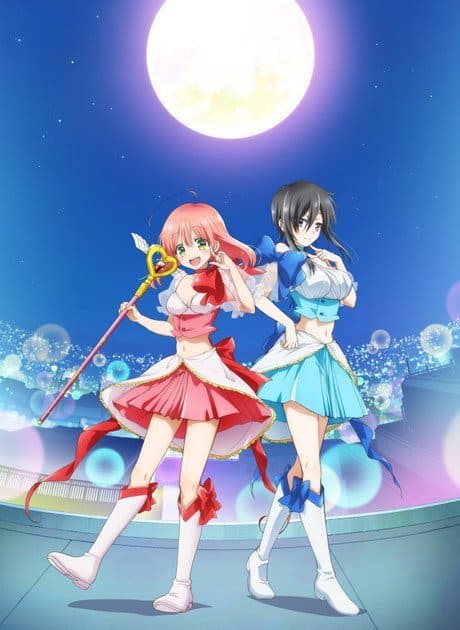
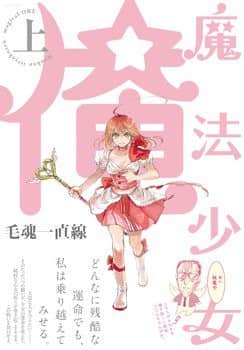
"Mahō Shōjo Ore" is a comedic fantasy manga that subverts traditional magical girl tropes by blending absurd humor with unconventional transformations. The protagonist, Saki Uno, is a 15-year-old girl who aspires to become an idol to support her family financially. Her life takes a bizarre turn when she discovers that her childhood friend, Sakuyo Mikage, is actually a magical girl tasked with defeating evil spirits called Yōma. Saki is reluctantly drawn into this world when she learns that her crush, Mohiro Soga, is being targeted by a Yōma. To protect him, she agrees to become a magical girl herself.
However, the transformation process is far from typical. Instead of the usual frilly, sparkly outfits, Saki and Sakuyo transform into muscular, cross-dressing men in flashy suits, wielding magical microphones as weapons. This transformation is powered by a magical fairy named Kashima, who explains that the Yōma are drawn to negative emotions and can only be defeated by the power of love and music. The duo must perform idol-like concerts to purify the Yōma, combining their magical abilities with their newfound physical strength.
As the story progresses, Saki and Sakuyo encounter other characters who become involved in their mission. These include Saki’s younger brother, Nobuta, who also transforms into a magical girl, and a rival magical girl named Ranko, who has her own complicated motivations. The series explores themes of identity, self-acceptance, and the pressures of societal expectations, all while maintaining a lighthearted and often surreal tone. The narrative frequently breaks the fourth wall, adding to its comedic and self-aware nature.
The manga balances its absurd premise with moments of genuine character development, particularly in Saki’s journey as she grapples with her insecurities and her growing feelings for Mohiro. The interactions between the characters are a key focus, with their relationships evolving amidst the chaos of their magical battles. The series also incorporates elements of parody, poking fun at both the magical girl genre and idol culture, while still delivering a unique and entertaining story.
However, the transformation process is far from typical. Instead of the usual frilly, sparkly outfits, Saki and Sakuyo transform into muscular, cross-dressing men in flashy suits, wielding magical microphones as weapons. This transformation is powered by a magical fairy named Kashima, who explains that the Yōma are drawn to negative emotions and can only be defeated by the power of love and music. The duo must perform idol-like concerts to purify the Yōma, combining their magical abilities with their newfound physical strength.
As the story progresses, Saki and Sakuyo encounter other characters who become involved in their mission. These include Saki’s younger brother, Nobuta, who also transforms into a magical girl, and a rival magical girl named Ranko, who has her own complicated motivations. The series explores themes of identity, self-acceptance, and the pressures of societal expectations, all while maintaining a lighthearted and often surreal tone. The narrative frequently breaks the fourth wall, adding to its comedic and self-aware nature.
The manga balances its absurd premise with moments of genuine character development, particularly in Saki’s journey as she grapples with her insecurities and her growing feelings for Mohiro. The interactions between the characters are a key focus, with their relationships evolving amidst the chaos of their magical battles. The series also incorporates elements of parody, poking fun at both the magical girl genre and idol culture, while still delivering a unique and entertaining story.
Comment(s)
Staff
- Story & Art
Relations
Anime overview