Manga
Description
"Sengoku Gonbe" is a historical manga set during Japan's Sengoku period, a time of intense social upheaval and military conflict. The narrative centers on Gonbe, a young peasant boy from a small village, whose life is upended when his family is killed during a raid by warring samurai clans. Orphaned and alone, Gonbe is taken in by a wandering ronin, a masterless samurai named Jubei, who recognizes the boy's potential and begins training him in the ways of the sword.
As Gonbe grows older, he becomes increasingly skilled in combat, driven by a desire to avenge his family and protect the innocent from the chaos of the era. The story explores his journey from a naive, grief-stricken child to a formidable warrior, navigating the treacherous political landscape of feudal Japan. Along the way, Gonbe encounters various historical figures and factions, including Oda Nobunaga, Toyotomi Hideyoshi, and Tokugawa Ieyasu, whose ambitions and conflicts shape the course of the nation.
The manga delves into themes of loyalty, honor, and the moral complexities of war. Gonbe's relationships with other characters, such as Jubei, a mysterious female ninja named Chidori, and a rival samurai named Takeda Shingen, add depth to the narrative. These interactions highlight the tension between personal vendettas and the greater good, as Gonbe struggles to reconcile his desire for revenge with his growing sense of duty to protect the weak.
The plot is driven by a series of battles, political intrigues, and personal trials, as Gonbe becomes embroiled in the larger struggle for power among the daimyo. The manga portrays the brutality of the era with unflinching realism, depicting the harsh realities of life for both peasants and warriors. At the same time, it emphasizes the resilience and humanity of its characters, offering a nuanced portrayal of a turbulent period in Japanese history.
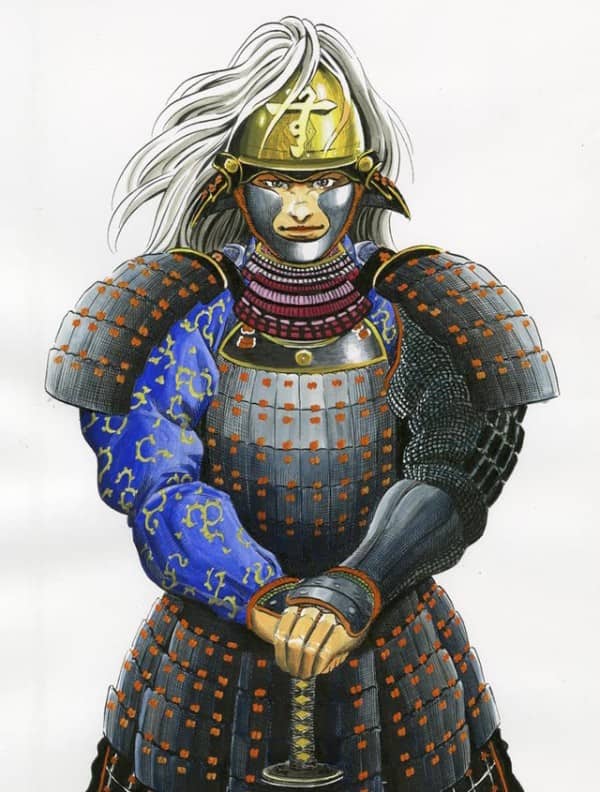
Through its detailed artwork and meticulous attention to historical detail, "Sengoku Gonbe" immerses readers in the world of 16th-century Japan, blending action, drama, and historical fiction into a compelling narrative. The story remains focused on Gonbe's personal growth and his quest for justice, while also providing a broader perspective on the events and figures that shaped the Sengoku period.
As Gonbe grows older, he becomes increasingly skilled in combat, driven by a desire to avenge his family and protect the innocent from the chaos of the era. The story explores his journey from a naive, grief-stricken child to a formidable warrior, navigating the treacherous political landscape of feudal Japan. Along the way, Gonbe encounters various historical figures and factions, including Oda Nobunaga, Toyotomi Hideyoshi, and Tokugawa Ieyasu, whose ambitions and conflicts shape the course of the nation.
The manga delves into themes of loyalty, honor, and the moral complexities of war. Gonbe's relationships with other characters, such as Jubei, a mysterious female ninja named Chidori, and a rival samurai named Takeda Shingen, add depth to the narrative. These interactions highlight the tension between personal vendettas and the greater good, as Gonbe struggles to reconcile his desire for revenge with his growing sense of duty to protect the weak.
The plot is driven by a series of battles, political intrigues, and personal trials, as Gonbe becomes embroiled in the larger struggle for power among the daimyo. The manga portrays the brutality of the era with unflinching realism, depicting the harsh realities of life for both peasants and warriors. At the same time, it emphasizes the resilience and humanity of its characters, offering a nuanced portrayal of a turbulent period in Japanese history.
Through its detailed artwork and meticulous attention to historical detail, "Sengoku Gonbe" immerses readers in the world of 16th-century Japan, blending action, drama, and historical fiction into a compelling narrative. The story remains focused on Gonbe's personal growth and his quest for justice, while also providing a broader perspective on the events and figures that shaped the Sengoku period.
Comment(s)
Staff
- Story & ArtHideki Miyashita
Recommendations
Empfehlungen auf Basis gemeinsamer Kategorien.