
TV-Series
Description
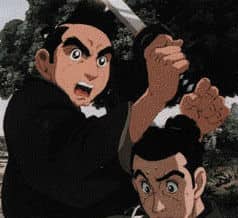
"Hidamari no Ki" is a historical drama set in the late Edo period of Japan, during the tumultuous years leading up to the Meiji Restoration. The story intertwines the lives of two central characters: Manjiro Ibutani, a young samurai from the Tokugawa shogunate, and Ryoan Tezuka, a Western-trained physician. Their contrasting backgrounds and ideologies serve as a lens through which the societal upheavals of the era are explored.
Manjiro, a loyal retainer of the shogunate, embodies the traditional values of the samurai class. His life is marked by a deep sense of duty and honor, but he struggles to reconcile these values with the rapidly changing world around him. As the shogunate's power wanes and Western influence grows, Manjiro finds himself caught between his loyalty to the old order and the inevitability of progress.
Ryoan, on the other hand, represents the emerging influence of Western medicine and thought in Japan. Trained in Dutch medical techniques, he is committed to advancing medical knowledge and improving public health, often clashing with the conservative elements of society. His work brings him into contact with a wide range of characters, from peasants to high-ranking officials, highlighting the disparities and tensions within Edo society.
The narrative unfolds against the backdrop of significant historical events, including the arrival of Commodore Matthew Perry and the opening of Japan to foreign trade. These events serve as catalysts for the personal and political conflicts faced by the characters. Manjiro's loyalty to the shogunate is tested as he witnesses the decline of the samurai class, while Ryoan's efforts to modernize medicine are met with resistance from those who cling to traditional practices.
The relationship between Manjiro and Ryoan is central to the story. Despite their differing perspectives, they develop a mutual respect and understanding. Their interactions provide insight into the broader cultural and ideological shifts occurring in Japan at the time. The series also delves into the lives of secondary characters, including Manjiro's family and Ryoan's patients, offering a multifaceted view of Edo society.
"Hidamari no Ki" is notable for its meticulous attention to historical detail and its exploration of the human impact of societal change. The series portrays the complexities of loyalty, tradition, and progress, capturing the essence of a pivotal period in Japanese history. Through its richly drawn characters and compelling narrative, it provides a nuanced portrayal of the challenges and transformations faced by individuals and society during the late Edo period.
Manjiro, a loyal retainer of the shogunate, embodies the traditional values of the samurai class. His life is marked by a deep sense of duty and honor, but he struggles to reconcile these values with the rapidly changing world around him. As the shogunate's power wanes and Western influence grows, Manjiro finds himself caught between his loyalty to the old order and the inevitability of progress.
Ryoan, on the other hand, represents the emerging influence of Western medicine and thought in Japan. Trained in Dutch medical techniques, he is committed to advancing medical knowledge and improving public health, often clashing with the conservative elements of society. His work brings him into contact with a wide range of characters, from peasants to high-ranking officials, highlighting the disparities and tensions within Edo society.
The narrative unfolds against the backdrop of significant historical events, including the arrival of Commodore Matthew Perry and the opening of Japan to foreign trade. These events serve as catalysts for the personal and political conflicts faced by the characters. Manjiro's loyalty to the shogunate is tested as he witnesses the decline of the samurai class, while Ryoan's efforts to modernize medicine are met with resistance from those who cling to traditional practices.
The relationship between Manjiro and Ryoan is central to the story. Despite their differing perspectives, they develop a mutual respect and understanding. Their interactions provide insight into the broader cultural and ideological shifts occurring in Japan at the time. The series also delves into the lives of secondary characters, including Manjiro's family and Ryoan's patients, offering a multifaceted view of Edo society.
"Hidamari no Ki" is notable for its meticulous attention to historical detail and its exploration of the human impact of societal change. The series portrays the complexities of loyalty, tradition, and progress, capturing the essence of a pivotal period in Japanese history. Through its richly drawn characters and compelling narrative, it provides a nuanced portrayal of the challenges and transformations faced by individuals and society during the late Edo period.
Episodes
Staffel 1
1Three Hundred Slopes
2Ryoan Sets Sail
3Sonezaki Shinchi
4Before the Storm
5Earthquake in Ansei
6Jotokan
7Harris Arrives
8Sad News and Expulsion
9Shindakawa's Duel
10Petition
11Audience with the Shogun
12Doctor Oku
13Establishment of the Vaccination Clinic
14Cholera Lands
15Imprisonment
16Storm of Spring
17Return
18Parting
19The Visitor
20Military Station Doctor
21The Infantrymen Take the Field
22Morning Assult
23Dispatch of Troops to Choshu
24Appeal
25Dawn
Cast
- Tezuka Ryoan
- Onaka
- Otsune
- MikaYōko Sasaki
- Kiichi Nakai
Comment(s)
Staff
- Series DirectorGisaburō Sugii
- Series Composition
- StoryboardGisaburō SugiiAkinori NagaokaKiyoshi EgamiHiroshi AoyamaSetsuko ShibuichiMakoto FuchigamiKou MatsuoToshiharu SatoKazuma MizukusaKōsei MaedaHiroshi Kusuoka
- MusicKeiko Matsui
- Original Manga
- Art DirectorKatsuyoshi Kanemura
- Animation DirectorKazuo WatanabeTakashi SaijōYasuhiro SaikiNoriyuki FukudaYukari KobayashiMasahiko ŌtaYūki IwaiMasahiro KitazakiAkio KawamuraTakahiro UmeharaKyūma Ōshita
- Director of PhotographyHisao Shirai
- DirectorGisaburō Sugii
- ScreenplayHideo TakayashikiSeishi MinakamiTomoyasu OkuboSumino Kawashima
- Episode DirectorGisaburō SugiiKiyoshi EgamiHiroshi AoyamaYasuo IwamotoNaoto HashimotoHiroyuki TsuchiyaMakoto FuchigamiSeiji AriharaSaburō HashimotoToshiharu SatoMitsuyuki MasuharaAkira ManoShinichiro AokiMegumi Yamamoto
- Original story
- Character DesignMarisuke Eguchi
- Chief Animation DirectorMarisuke Eguchi
- Sound DirectorFusanobu Fujiyama
- ProducerMitsuru ŌshimaMasao MaruyamaHiroshi YamashitaManabu Tamura
Production
- ProductionShogakukanTezuka ProductionsVAPNippon Television Network
- Animation ProductionMadhouse
Relations
Manga overview
Music
Ending
Ep. 1-13
Ep. 14-25