OVA
Description
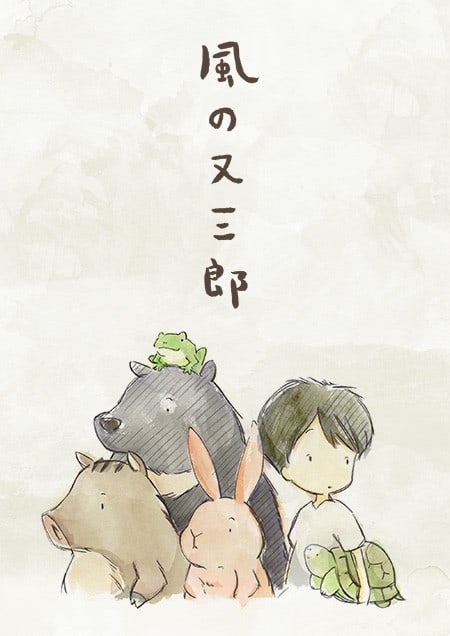
"Kaze no Matasaburo" is a 1980 anime film based on the short story by Kenji Miyazawa. The narrative centers around a mysterious boy named Matasaburo, who arrives in a rural village during a windy season. His sudden appearance sparks curiosity among the local children, who are both fascinated and unsettled by his enigmatic nature. Matasaburo claims to be the son of the Wind God, and his presence coincides with unusual weather patterns, leading the villagers to speculate about his true origins and powers.
The story unfolds through the perspective of the village children, particularly a boy named Saburo, who becomes Matasaburo's closest friend. As the children interact with Matasaburo, they notice his extraordinary abilities, such as his capacity to summon and control the wind. These abilities are both awe-inspiring and unsettling, as they blur the line between reality and myth. Matasaburo's presence challenges the children's understanding of the natural world and their place within it, prompting them to question the boundaries between the ordinary and the supernatural.
The film explores themes of friendship, identity, and the relationship between humans and nature. Matasaburo's character serves as a bridge between the mundane and the mystical, embodying the untamed forces of the natural world. His interactions with the children highlight their innocence and curiosity, as well as their growing awareness of life's complexities. The narrative is punctuated by moments of wonder and melancholy, reflecting the transient nature of childhood and the inevitability of change.
As the story progresses, Matasaburo's time in the village becomes increasingly fleeting. His departure is as sudden as his arrival, leaving the children to grapple with the memories of their extraordinary friend. The film concludes with a sense of ambiguity, emphasizing the enduring impact of Matasaburo's presence on the villagers and the lingering mystery of his true nature. The narrative remains grounded in its rural setting, capturing the rhythms of village life and the timeless connection between humanity and the natural world.
The story unfolds through the perspective of the village children, particularly a boy named Saburo, who becomes Matasaburo's closest friend. As the children interact with Matasaburo, they notice his extraordinary abilities, such as his capacity to summon and control the wind. These abilities are both awe-inspiring and unsettling, as they blur the line between reality and myth. Matasaburo's presence challenges the children's understanding of the natural world and their place within it, prompting them to question the boundaries between the ordinary and the supernatural.
The film explores themes of friendship, identity, and the relationship between humans and nature. Matasaburo's character serves as a bridge between the mundane and the mystical, embodying the untamed forces of the natural world. His interactions with the children highlight their innocence and curiosity, as well as their growing awareness of life's complexities. The narrative is punctuated by moments of wonder and melancholy, reflecting the transient nature of childhood and the inevitability of change.
As the story progresses, Matasaburo's time in the village becomes increasingly fleeting. His departure is as sudden as his arrival, leaving the children to grapple with the memories of their extraordinary friend. The film concludes with a sense of ambiguity, emphasizing the enduring impact of Matasaburo's presence on the villagers and the lingering mystery of his true nature. The narrative remains grounded in its rural setting, capturing the rhythms of village life and the timeless connection between humanity and the natural world.
Cast
- Kazuhiro Kandō
- Atsushi Gamou
Comment(s)
Staff
- MusicKeiju IshikawaFumio Miyashita
- Character DesignYoshinori Kanemori
- Animation DirectorYoshinori Kanemori
- Director of PhotographyKinichi Ishikawa
- Director
- Original creator
- Art DirectorKatsushi Aoki
- Sound DirectorSusumu Aketagawa
- ProducerMasao MaruyamaYumiko Takanashi
- Screenplay
Production
- Animation ProductionMadhouseProject Team Argos
- ProductionKonami