Movie
Description
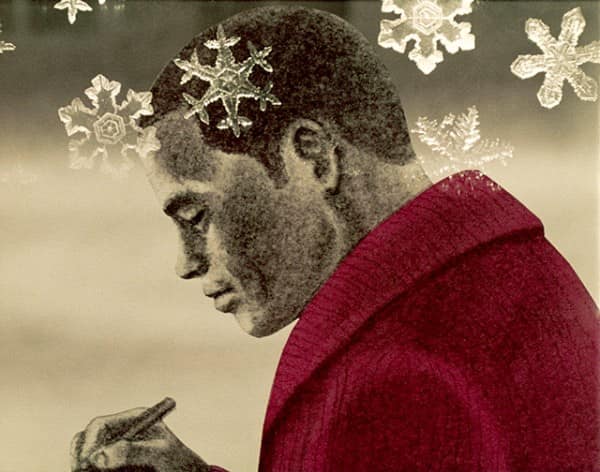
"The Life of a Poet" is a historical drama anime set in late 19th-century Japan, during a period of rapid modernization and cultural upheaval. The narrative centers on Haruto Miyagawa, a young aspiring poet from a rural village, who moves to Tokyo to pursue his dream of becoming a renowned literary figure. Haruto’s journey is marked by his struggle to reconcile traditional Japanese poetic forms, such as haiku and tanka, with the influence of Western literature and ideas flooding into the country. His passion for poetry often clashes with societal expectations, as his family pressures him to abandon his artistic pursuits in favor of a stable career.
The series explores Haruto’s relationships with key figures in his life, including his mentor, the aging poet Soseki Nakamura, who represents the fading traditions of Japanese literature. Soseki’s guidance helps Haruto refine his craft, but their differing views on the role of poetry in a changing world create tension. Haruto also forms a close bond with Aiko Takahashi, a progressive journalist advocating for women’s rights and social reform. Aiko’s influence pushes Haruto to address contemporary issues in his work, broadening his perspective beyond the confines of traditional themes.
As Haruto navigates the literary circles of Tokyo, he encounters rival poets, publishers, and critics, each representing different facets of the cultural landscape. His rivalry with the ambitious and modernist poet Ryota Kurosawa serves as a central conflict, highlighting the ideological divide between tradition and innovation. The series delves into the challenges of artistic integrity, as Haruto faces pressure to conform to popular trends to achieve success.
The plot intertwines Haruto’s personal growth with the broader historical context of the Meiji era, depicting the tension between preserving cultural heritage and embracing progress. Themes of identity, ambition, and the transformative power of art are explored through Haruto’s evolving poetry, which reflects his internal struggles and the changing world around him. The series concludes with Haruto achieving a delicate balance between tradition and modernity, leaving a lasting impact on Japanese literature.
The series explores Haruto’s relationships with key figures in his life, including his mentor, the aging poet Soseki Nakamura, who represents the fading traditions of Japanese literature. Soseki’s guidance helps Haruto refine his craft, but their differing views on the role of poetry in a changing world create tension. Haruto also forms a close bond with Aiko Takahashi, a progressive journalist advocating for women’s rights and social reform. Aiko’s influence pushes Haruto to address contemporary issues in his work, broadening his perspective beyond the confines of traditional themes.
As Haruto navigates the literary circles of Tokyo, he encounters rival poets, publishers, and critics, each representing different facets of the cultural landscape. His rivalry with the ambitious and modernist poet Ryota Kurosawa serves as a central conflict, highlighting the ideological divide between tradition and innovation. The series delves into the challenges of artistic integrity, as Haruto faces pressure to conform to popular trends to achieve success.
The plot intertwines Haruto’s personal growth with the broader historical context of the Meiji era, depicting the tension between preserving cultural heritage and embracing progress. Themes of identity, ambition, and the transformative power of art are explored through Haruto’s evolving poetry, which reflects his internal struggles and the changing world around him. The series concludes with Haruto achieving a delicate balance between tradition and modernity, leaving a lasting impact on Japanese literature.
Comment(s)
Staff
- DirectorKihachiro Kawamoto
- Original creatorAbe Kobo
Relations
Recommendations based on shared tags.