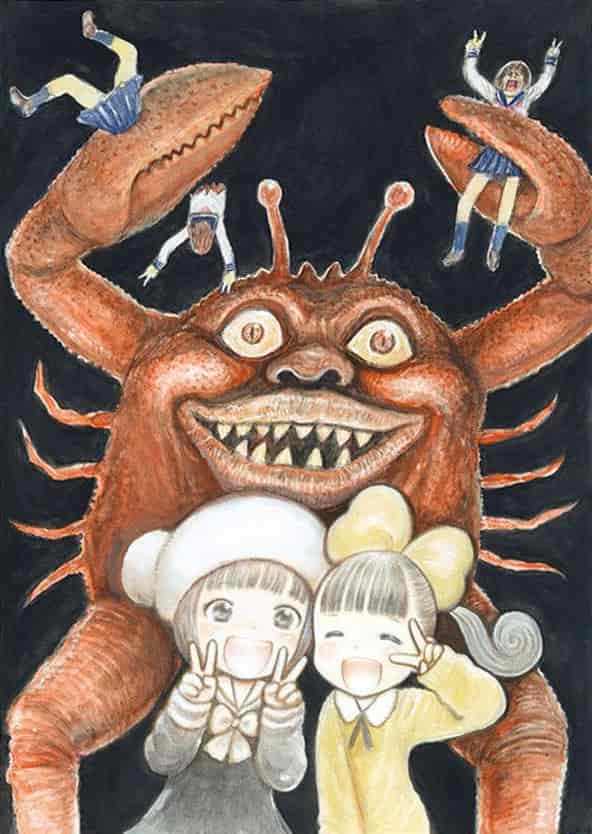
Manga
Description
"Mitochon Perestroika" is a science fiction manga that explores themes of genetic engineering, identity, and the ethical implications of human augmentation. The narrative is set in a near-future world where advanced biotechnology has become commonplace, allowing humans to modify their bodies and minds through mitochondrial manipulation. The story centers on a young protagonist, Akira, who discovers that their mitochondrial DNA has been artificially altered, granting them extraordinary abilities but also tying them to a clandestine organization known as Perestroika.
Akira’s journey begins when they experience sudden, unexplained physical changes, including heightened strength, speed, and sensory perception. These abilities draw the attention of Perestroika, a shadowy group that claims to have orchestrated Akira’s genetic modifications as part of a larger experiment. The organization reveals that Akira is one of several individuals engineered to serve as "Mitochons," human hybrids designed to push the boundaries of evolution. However, Akira’s existence is not merely scientific; it is deeply political, as Perestroika seeks to use Mitochons to destabilize global power structures and usher in a new era of human potential.
As Akira grapples with their newfound identity, they encounter other Mitochons, each with unique abilities and conflicting motivations. Among them is Rei, a fiercely independent Mitochon who resents Perestroika’s control and seeks to dismantle the organization from within. Rei becomes both an ally and a rival to Akira, challenging their perceptions of freedom and responsibility. Another key figure is Dr. Saito, a scientist within Perestroika who harbors doubts about the ethical ramifications of their work. Saito’s internal conflict mirrors Akira’s own struggle to reconcile their humanity with their engineered nature.
The plot unfolds as Akira and their allies navigate a web of conspiracies, betrayals, and moral dilemmas. Perestroika’s true agenda is gradually revealed, exposing the organization’s willingness to sacrifice individuals for the sake of its vision. Akira must decide whether to embrace their role as a Mitochon, reject their engineered identity, or forge a new path that transcends the binary of human and hybrid. The story delves into the psychological and emotional toll of genetic modification, as well as the societal implications of a world where human potential can be artificially enhanced.
The narrative is driven by its exploration of identity, autonomy, and the consequences of scientific progress. Akira’s journey is marked by moments of introspection and conflict, as they confront the ethical questions surrounding their existence and the broader implications of Perestroika’s experiments. The manga balances action-packed sequences with philosophical undertones, creating a thought-provoking and engaging story that challenges readers to consider the boundaries of humanity and the price of evolution.
Akira’s journey begins when they experience sudden, unexplained physical changes, including heightened strength, speed, and sensory perception. These abilities draw the attention of Perestroika, a shadowy group that claims to have orchestrated Akira’s genetic modifications as part of a larger experiment. The organization reveals that Akira is one of several individuals engineered to serve as "Mitochons," human hybrids designed to push the boundaries of evolution. However, Akira’s existence is not merely scientific; it is deeply political, as Perestroika seeks to use Mitochons to destabilize global power structures and usher in a new era of human potential.
As Akira grapples with their newfound identity, they encounter other Mitochons, each with unique abilities and conflicting motivations. Among them is Rei, a fiercely independent Mitochon who resents Perestroika’s control and seeks to dismantle the organization from within. Rei becomes both an ally and a rival to Akira, challenging their perceptions of freedom and responsibility. Another key figure is Dr. Saito, a scientist within Perestroika who harbors doubts about the ethical ramifications of their work. Saito’s internal conflict mirrors Akira’s own struggle to reconcile their humanity with their engineered nature.
The plot unfolds as Akira and their allies navigate a web of conspiracies, betrayals, and moral dilemmas. Perestroika’s true agenda is gradually revealed, exposing the organization’s willingness to sacrifice individuals for the sake of its vision. Akira must decide whether to embrace their role as a Mitochon, reject their engineered identity, or forge a new path that transcends the binary of human and hybrid. The story delves into the psychological and emotional toll of genetic modification, as well as the societal implications of a world where human potential can be artificially enhanced.
The narrative is driven by its exploration of identity, autonomy, and the consequences of scientific progress. Akira’s journey is marked by moments of introspection and conflict, as they confront the ethical questions surrounding their existence and the broader implications of Perestroika’s experiments. The manga balances action-packed sequences with philosophical undertones, creating a thought-provoking and engaging story that challenges readers to consider the boundaries of humanity and the price of evolution.
Comment(s)
Staff
- Story & ArtGatarō Man
Recommendations
Empfehlungen auf Basis gemeinsamer Kategorien.