Manga
Description
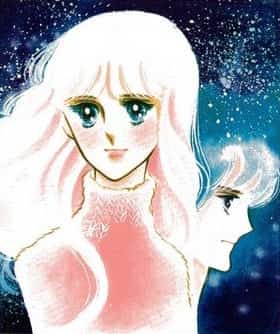
"Hyōsetsu no Uta" is a manga series that blends elements of historical drama, romance, and tragedy, set against the backdrop of early 20th-century Japan. The narrative centers on the lives of two individuals, Shizuko and Shun, whose fates intertwine amidst the societal upheavals of the Taisho era. Shizuko, a young woman from a modest background, works as a maid in a wealthy household, while Shun is a talented but troubled artist grappling with his own demons and the pressures of societal expectations.
The story begins with Shizuko’s arrival at the household, where she becomes entangled in the complex dynamics of the family. The patriarch, a stern and traditional figure, exerts control over his family, while his wife and children navigate their own struggles. Shun, the family’s adopted son, is a central figure in the household, known for his artistic brilliance but also his emotional volatility. His relationship with Shizuko evolves from initial tension to a deep, albeit fraught, connection, as they both seek solace and understanding in each other.
As the narrative progresses, the series delves into themes of class disparity, personal ambition, and the constraints of societal norms. Shizuko’s resilience and quiet strength contrast with Shun’s passionate yet self-destructive tendencies, creating a dynamic interplay between the characters. The manga also explores the broader historical context of the Taisho era, including the rise of modernization and the lingering influence of feudal traditions, which shape the characters’ lives and decisions.
The plot takes a tragic turn as Shun’s artistic pursuits lead him down a path of self-sacrifice and despair, while Shizuko struggles to reconcile her feelings for him with the harsh realities of their circumstances. The series does not shy away from depicting the emotional toll of their choices, culminating in a poignant and bittersweet resolution that underscores the fragility of human connections in a rapidly changing world.
Through its intricate character development and evocative storytelling, "Hyōsetsu no Uta" offers a compelling exploration of love, loss, and the enduring impact of societal forces on individual lives. The manga’s historical setting and richly drawn characters provide a vivid portrayal of a transformative period in Japanese history, making it a notable work within the genre.
The story begins with Shizuko’s arrival at the household, where she becomes entangled in the complex dynamics of the family. The patriarch, a stern and traditional figure, exerts control over his family, while his wife and children navigate their own struggles. Shun, the family’s adopted son, is a central figure in the household, known for his artistic brilliance but also his emotional volatility. His relationship with Shizuko evolves from initial tension to a deep, albeit fraught, connection, as they both seek solace and understanding in each other.
As the narrative progresses, the series delves into themes of class disparity, personal ambition, and the constraints of societal norms. Shizuko’s resilience and quiet strength contrast with Shun’s passionate yet self-destructive tendencies, creating a dynamic interplay between the characters. The manga also explores the broader historical context of the Taisho era, including the rise of modernization and the lingering influence of feudal traditions, which shape the characters’ lives and decisions.
The plot takes a tragic turn as Shun’s artistic pursuits lead him down a path of self-sacrifice and despair, while Shizuko struggles to reconcile her feelings for him with the harsh realities of their circumstances. The series does not shy away from depicting the emotional toll of their choices, culminating in a poignant and bittersweet resolution that underscores the fragility of human connections in a rapidly changing world.
Through its intricate character development and evocative storytelling, "Hyōsetsu no Uta" offers a compelling exploration of love, loss, and the enduring impact of societal forces on individual lives. The manga’s historical setting and richly drawn characters provide a vivid portrayal of a transformative period in Japanese history, making it a notable work within the genre.
Comment(s)
Staff
- Story & Art
Recommendations
Empfehlungen auf Basis gemeinsamer Kategorien.