Manga
Description
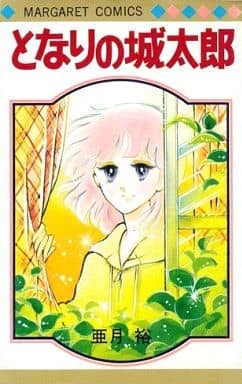
"Tonari no Jōtarō" is a manga series that revolves around the daily life and misadventures of Jōtarō Sakurada, a mischievous and energetic young boy living in a small Japanese town. Jōtarō is known for his boundless curiosity and penchant for getting into trouble, often dragging his friends and family into his schemes. His antics are a source of both amusement and frustration for those around him, particularly his long-suffering mother, who frequently scolds him for his behavior.
The narrative is episodic, with each chapter focusing on a new escapade or challenge Jōtarō faces. These range from schoolyard rivalries and attempts to impress his classmates to more imaginative adventures, such as building a makeshift spaceship or organizing a neighborhood festival. Despite his troublemaking tendencies, Jōtarō is fundamentally good-hearted and often goes out of his way to help others, even if his methods are unconventional.
The supporting cast includes Jōtarō's classmates, such as the studious and responsible Michiko, who often acts as a voice of reason, and the timid but loyal Gorō, who is frequently roped into Jōtarō's plans. The adults in Jōtarō's life, including his mother and his teacher, play significant roles in shaping his experiences, often serving as foils to his impulsive nature. The interactions between Jōtarō and these characters highlight themes of friendship, family, and the trials of growing up.
The series captures the simplicity and charm of rural life, with its depiction of seasonal festivals, school events, and community gatherings. The humor is lighthearted and often derived from Jōtarō's misunderstandings or over-the-top reactions to everyday situations. While the tone is predominantly comedic, there are moments of genuine emotion, particularly when Jōtarō learns valuable lessons about responsibility, empathy, and the consequences of his actions.
Overall, "Tonari no Jōtarō" presents a nostalgic and heartwarming portrayal of childhood, emphasizing the joys and challenges of navigating the world through the eyes of a spirited and imaginative young boy. The series balances humor with heartfelt moments, making it a relatable and engaging read for audiences of all ages.
The narrative is episodic, with each chapter focusing on a new escapade or challenge Jōtarō faces. These range from schoolyard rivalries and attempts to impress his classmates to more imaginative adventures, such as building a makeshift spaceship or organizing a neighborhood festival. Despite his troublemaking tendencies, Jōtarō is fundamentally good-hearted and often goes out of his way to help others, even if his methods are unconventional.
The supporting cast includes Jōtarō's classmates, such as the studious and responsible Michiko, who often acts as a voice of reason, and the timid but loyal Gorō, who is frequently roped into Jōtarō's plans. The adults in Jōtarō's life, including his mother and his teacher, play significant roles in shaping his experiences, often serving as foils to his impulsive nature. The interactions between Jōtarō and these characters highlight themes of friendship, family, and the trials of growing up.
The series captures the simplicity and charm of rural life, with its depiction of seasonal festivals, school events, and community gatherings. The humor is lighthearted and often derived from Jōtarō's misunderstandings or over-the-top reactions to everyday situations. While the tone is predominantly comedic, there are moments of genuine emotion, particularly when Jōtarō learns valuable lessons about responsibility, empathy, and the consequences of his actions.
Overall, "Tonari no Jōtarō" presents a nostalgic and heartwarming portrayal of childhood, emphasizing the joys and challenges of navigating the world through the eyes of a spirited and imaginative young boy. The series balances humor with heartfelt moments, making it a relatable and engaging read for audiences of all ages.
Comment(s)
Staff
- Story & Art
Recommendations
Empfehlungen auf Basis gemeinsamer Kategorien.