Manga
Description
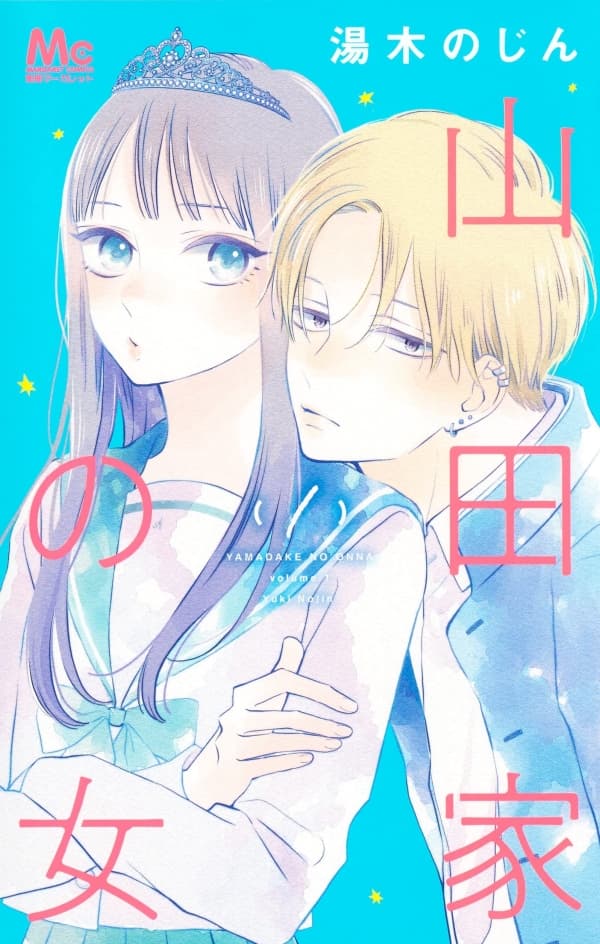
"Yamada-ke no Onna" centers on the Yamada family, a seemingly ordinary household with a unique dynamic shaped by its strong-willed female members. The story unfolds through the perspectives of the Yamada siblings, each navigating their personal struggles and relationships while dealing with the influence of their mother, a dominant and enigmatic figure. The mother, often referred to as "Yamada-ke no Onna," is a complex character whose past and motivations gradually come to light, revealing her impact on the family's dynamics.
The eldest son, Hiroshi, is a reserved and responsible figure who shoulders the family's expectations, often clashing with his mother's domineering nature. His younger sister, Aya, is a spirited and independent teenager grappling with her identity and aspirations, frequently at odds with her mother's traditional views. The youngest sibling, Taro, is a precocious child whose innocence and curiosity provide moments of levity amidst the family's tensions.
The narrative explores themes of familial duty, generational conflict, and personal growth as the Yamada siblings confront their mother's expectations and their own desires. The mother's past, marked by hardship and sacrifice, is gradually revealed, shedding light on her strict demeanor and the emotional distance she maintains. As the story progresses, the siblings begin to understand the complexities of their mother's character, leading to moments of reconciliation and self-discovery.
Interpersonal relationships outside the family also play a significant role. Hiroshi's interactions with his colleagues and romantic interests highlight his struggle to balance familial obligations with personal happiness. Aya's friendships and school life reflect her journey toward independence, while Taro's interactions with peers and teachers underscore his growing awareness of the world around him.
The series balances humor and drama, capturing the everyday challenges and emotional nuances of family life. Through its exploration of the Yamada family's dynamics, "Yamada-ke no Onna" offers a poignant portrayal of the ties that bind and the individual paths that shape each member's identity.
The eldest son, Hiroshi, is a reserved and responsible figure who shoulders the family's expectations, often clashing with his mother's domineering nature. His younger sister, Aya, is a spirited and independent teenager grappling with her identity and aspirations, frequently at odds with her mother's traditional views. The youngest sibling, Taro, is a precocious child whose innocence and curiosity provide moments of levity amidst the family's tensions.
The narrative explores themes of familial duty, generational conflict, and personal growth as the Yamada siblings confront their mother's expectations and their own desires. The mother's past, marked by hardship and sacrifice, is gradually revealed, shedding light on her strict demeanor and the emotional distance she maintains. As the story progresses, the siblings begin to understand the complexities of their mother's character, leading to moments of reconciliation and self-discovery.
Interpersonal relationships outside the family also play a significant role. Hiroshi's interactions with his colleagues and romantic interests highlight his struggle to balance familial obligations with personal happiness. Aya's friendships and school life reflect her journey toward independence, while Taro's interactions with peers and teachers underscore his growing awareness of the world around him.
The series balances humor and drama, capturing the everyday challenges and emotional nuances of family life. Through its exploration of the Yamada family's dynamics, "Yamada-ke no Onna" offers a poignant portrayal of the ties that bind and the individual paths that shape each member's identity.
Comment(s)
Staff
- Story & ArtNojin Yuki
Recommendations
Empfehlungen auf Basis gemeinsamer Kategorien.