Manga
Description
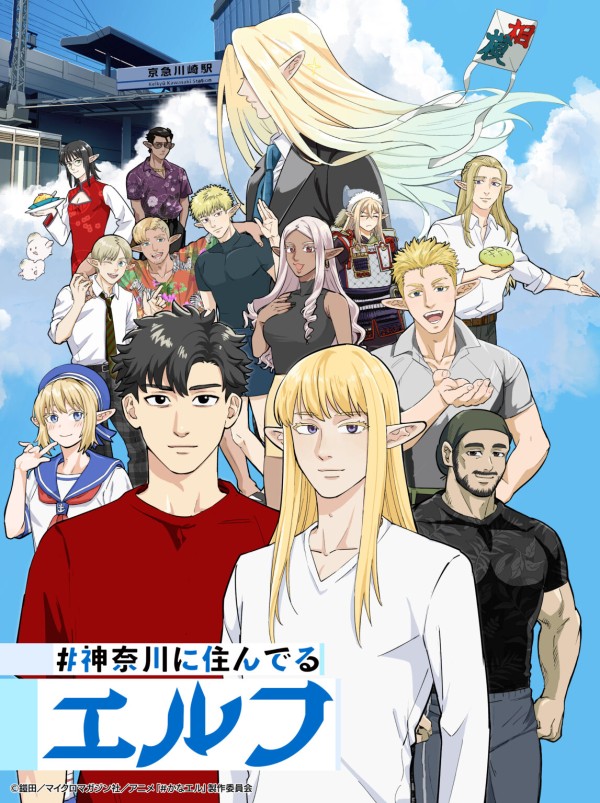
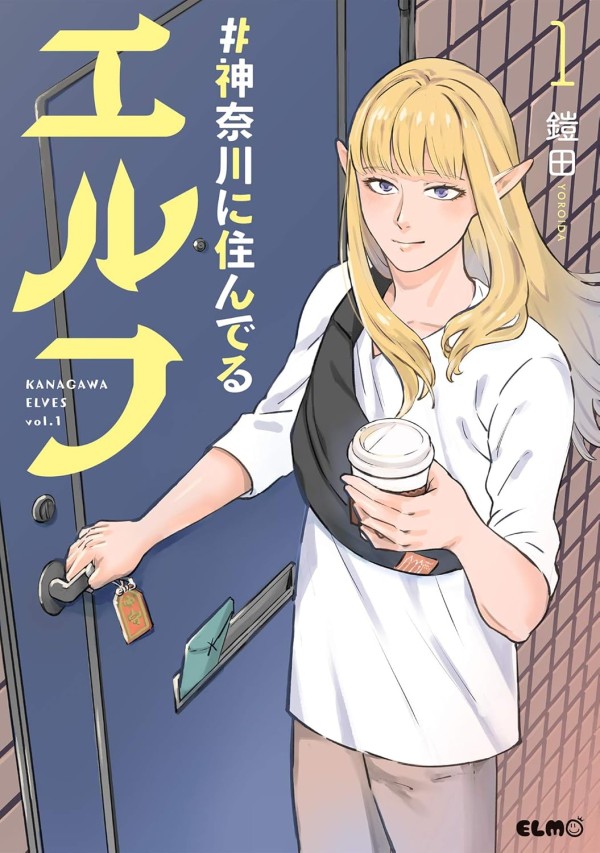
Two years after a mysterious forest fire destroyed their hidden homeland, a community of elves has relocated to Kanagawa Prefecture in modern Japan. Rather than concealing their existence, these elves live openly as ordinary residents across the prefecture, from the bustling streets of Yokohama to the coastal towns of Yokosuka and Chigasaki. The story centers on the Elf of Yokohama, a self-assured and somewhat vain elf who carries himself as the unofficial ruler of Kanagawa, though he is secretly embarrassed about still receiving financial support from his uncle. His unlikely roommate and primary point of connection to the human world is the Human of Kawasaki, an ordinary young man who shares a bloodline with the elves and finds himself caught between exasperation and reluctant affection for his supernatural companions. Their daily life together becomes the anchor for a broader exploration of how fantasy beings adapt to contemporary Japanese society.
The manga functions as a comedic anthology of Kanagawa local culture, with each elf representing a different municipality and embodying its unique quirks and stereotypes. The Elf of Yokosuka appears as a marine-themed beautiful boy but speaks of the arrival of Commodore Perry's Black Ships as if it happened yesterday, revealing the ancient, grandfatherly perspective hidden beneath his youthful exterior. The Elf of Chigasaki is a party-loving elf devoted to beach events and barbecues, while the Elf of Sagamihara runs a landscaping business and possesses the ability to communicate with plants and flowers, holding a Level 1 Landscaping Construction Management Technician certification. The Elf of Hiratsuka is a former delinquent attending a Shonan high school, and the Dark Elves of Noge and Isezakichō indulge in gambling and drinking. Even an orc appears, living in Machida City on the Tokyo side of the prefectural border, working a draining corporate job and surviving on energy drinks while maintaining a hostile but humorous rivalry with the Yokohama Elf.
Notable narrative arcs emerge from the contrast between elven longevity and human transience. The Yokosuka Elf's memories of historical events that humans only read about in textbooks create moments of melancholic reflection amid the comedy. The Human of Kawasaki, as a descendant of elves, gradually begins to perceive the Little Fairy, a creature invisible to ordinary humans that appears in nature-rich locations and carries knowledge of local history. Recurring gags include the Yokohama Elf disparaging Kawasaki City, the Human of Kawasaki facing constant threats on his life from his elven relatives, and debates over whether Machida truly belongs to Kanagawa or Tokyo. The series builds its humor from the absurdity of immortal beings worrying about rent, navigating workplace politics, and enthusiastically participating in regional pride, all while subtly examining how community and belonging persist even after the loss of a homeland.
The manga functions as a comedic anthology of Kanagawa local culture, with each elf representing a different municipality and embodying its unique quirks and stereotypes. The Elf of Yokosuka appears as a marine-themed beautiful boy but speaks of the arrival of Commodore Perry's Black Ships as if it happened yesterday, revealing the ancient, grandfatherly perspective hidden beneath his youthful exterior. The Elf of Chigasaki is a party-loving elf devoted to beach events and barbecues, while the Elf of Sagamihara runs a landscaping business and possesses the ability to communicate with plants and flowers, holding a Level 1 Landscaping Construction Management Technician certification. The Elf of Hiratsuka is a former delinquent attending a Shonan high school, and the Dark Elves of Noge and Isezakichō indulge in gambling and drinking. Even an orc appears, living in Machida City on the Tokyo side of the prefectural border, working a draining corporate job and surviving on energy drinks while maintaining a hostile but humorous rivalry with the Yokohama Elf.
Notable narrative arcs emerge from the contrast between elven longevity and human transience. The Yokosuka Elf's memories of historical events that humans only read about in textbooks create moments of melancholic reflection amid the comedy. The Human of Kawasaki, as a descendant of elves, gradually begins to perceive the Little Fairy, a creature invisible to ordinary humans that appears in nature-rich locations and carries knowledge of local history. Recurring gags include the Yokohama Elf disparaging Kawasaki City, the Human of Kawasaki facing constant threats on his life from his elven relatives, and debates over whether Machida truly belongs to Kanagawa or Tokyo. The series builds its humor from the absurdity of immortal beings worrying about rent, navigating workplace politics, and enthusiastically participating in regional pride, all while subtly examining how community and belonging persist even after the loss of a homeland.
Comment(s)
Staff
- Story & Art
Relations