Manga
Description
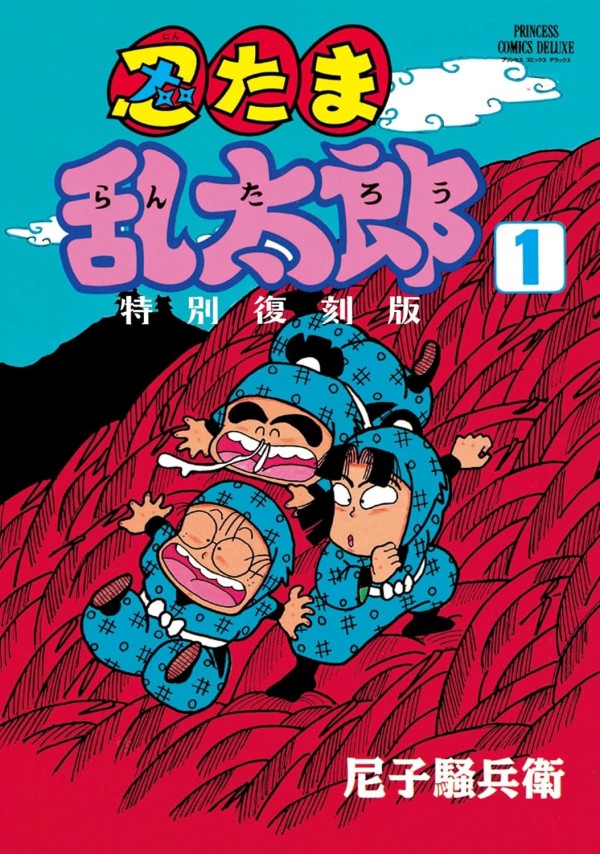
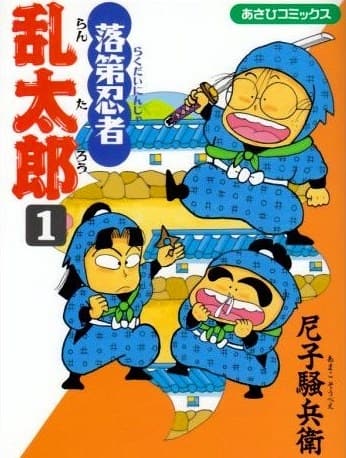
In the original manga, Rakudai Ninja Rantarō, a young and determined boy named Rantarō enrolls at the prestigious Ninjutsu Gakuen, a secret school hidden deep in the mountains of the Kansai region during Japan’s Sengoku period. His dream is to become a first-class elite ninja, following the recommendation of his father. However, his path is far from straightforward, as he is quickly befriended by two other first-year students who each have their own quirks and challenges.
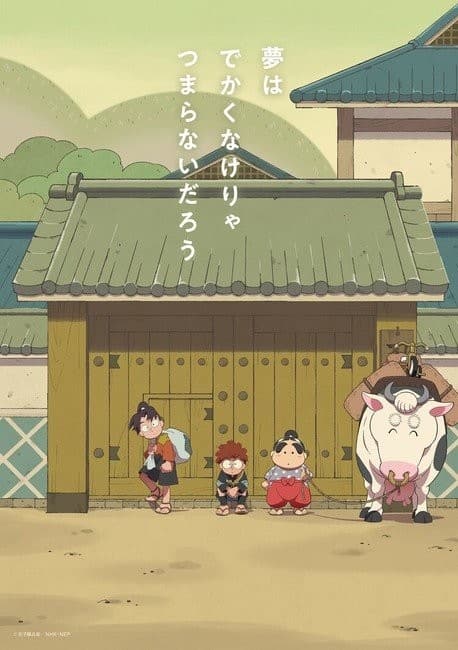
Rantarō is energetic and possesses incredibly swift legs, but his poor eyesight means he is never without his round glasses. He is joined by Kirimaru, an orphaned boy who lost his parents in a war and now supports himself through a relentless obsession with earning money through countless part-time jobs. The third member of the core trio is Shinbei, the wealthy and perpetually hungry son of a merchant, whose love for food is matched only by his occasional displays of surprising strength. Together, this unlikely trio navigates the daily rigors of ninja training, which they often seem to bumble through, leading to the "failure" implied in the original Japanese title.
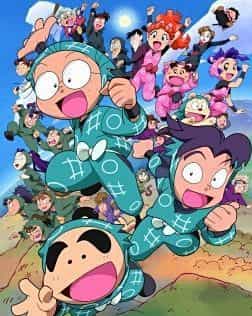
The school is structured with grades one through six, with the first-year class divided into three groups based on the classical Iroha ordering system: Ha-gumi (the main characters' class), I-gumi (known for their academic boasting), and Ro-gumi (a more gloomy and eccentric group heavily influenced by their ghost-like teacher). The faculty is comprised of a colorful cast of former ninja, including the strict but kind Hansuke Doi and the powerful but clumsy Yamada-sensei. Despite the historical setting, the narrative is filled with deliberate anachronisms for comedic effect, such as vending machines or wristwatches, and frequently breaks the fourth wall, with characters interacting with the manga's panels or the author herself.
The story is largely episodic, focusing on the trio's adventures, mishaps, and interactions with their diverse classmates and teachers. Notable recurring narrative threads include Kirimaru's constant schemes to make a profit, Shinbei's never-ending quest for food, and the competitive yet friendly rivalries between the different first-year classes. As the series progresses, there are also occasional longer arcs involving rival ninja groups, such as the Dokutake Ninja Corps, that threaten the peace of the school, requiring the students to work together. The manga ran for decades, and while the characters go through summer and winter breaks, they notably never graduate or move up a year, maintaining the timeless status quo of their elementary school ninja training.
Rantarō is energetic and possesses incredibly swift legs, but his poor eyesight means he is never without his round glasses. He is joined by Kirimaru, an orphaned boy who lost his parents in a war and now supports himself through a relentless obsession with earning money through countless part-time jobs. The third member of the core trio is Shinbei, the wealthy and perpetually hungry son of a merchant, whose love for food is matched only by his occasional displays of surprising strength. Together, this unlikely trio navigates the daily rigors of ninja training, which they often seem to bumble through, leading to the "failure" implied in the original Japanese title.
The school is structured with grades one through six, with the first-year class divided into three groups based on the classical Iroha ordering system: Ha-gumi (the main characters' class), I-gumi (known for their academic boasting), and Ro-gumi (a more gloomy and eccentric group heavily influenced by their ghost-like teacher). The faculty is comprised of a colorful cast of former ninja, including the strict but kind Hansuke Doi and the powerful but clumsy Yamada-sensei. Despite the historical setting, the narrative is filled with deliberate anachronisms for comedic effect, such as vending machines or wristwatches, and frequently breaks the fourth wall, with characters interacting with the manga's panels or the author herself.
The story is largely episodic, focusing on the trio's adventures, mishaps, and interactions with their diverse classmates and teachers. Notable recurring narrative threads include Kirimaru's constant schemes to make a profit, Shinbei's never-ending quest for food, and the competitive yet friendly rivalries between the different first-year classes. As the series progresses, there are also occasional longer arcs involving rival ninja groups, such as the Dokutake Ninja Corps, that threaten the peace of the school, requiring the students to work together. The manga ran for decades, and while the characters go through summer and winter breaks, they notably never graduate or move up a year, maintaining the timeless status quo of their elementary school ninja training.
Comment(s)
Staff
- Story & Art
Relations
Anime overview


Manga overview