Description
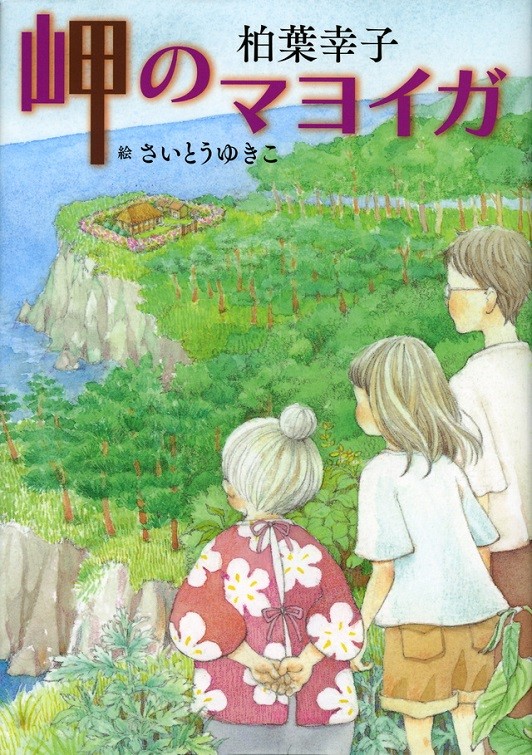
"Misaki no Mayoiga" is a supernatural mystery manga that centers around a group of children who encounter strange and unsettling phenomena in their coastal town. The narrative begins with Masaki, a young boy who moves to the town of Misaki with his family. Shortly after his arrival, he befriends a group of local children, including Mako, a girl who claims to have seen a ghostly figure known as the "Mayoiga" or "House of the Lost." This mysterious structure is said to appear only to those who are lost or in distress, and its presence is tied to a series of eerie events that plague the town.
As the children delve deeper into the mystery, they uncover a connection between the Mayoiga and the town's history, particularly a tragic incident involving a group of children who went missing decades earlier. The story intertwines the present-day experiences of Masaki and his friends with flashbacks to the past, gradually revealing the truth behind the disappearances and the role of the Mayoiga. The children's investigation leads them to confront supernatural forces, including vengeful spirits and cryptic entities that seem to guard the secrets of the town.
The main characters include Masaki, who serves as the protagonist and the audience's entry point into the story. Mako, his closest friend, is deeply affected by her encounter with the Mayoiga and becomes a key figure in unraveling the mystery. Other members of the group, such as the skeptical but loyal Takuya and the enigmatic Sayaka, each contribute their own perspectives and skills to the investigation. The interactions between the children are marked by a mix of camaraderie and tension, as they grapple with fear, doubt, and the growing realization that their lives may be in danger.
The plot is driven by a series of escalating supernatural occurrences, including ghostly apparitions, unexplained disappearances, and cryptic messages that seem to guide the children toward the truth. The Mayoiga itself is a central symbol, representing both a physical location and a metaphysical concept tied to loss, memory, and the unresolved traumas of the past. As the story progresses, the line between reality and the supernatural becomes increasingly blurred, culminating in a climactic confrontation that forces the children to confront the darker aspects of their town's history and their own fears.
The narrative is structured to maintain a sense of suspense and unease, with each revelation raising new questions about the nature of the Mayoiga and its connection to the characters. The story explores themes of guilt, redemption, and the lingering impact of past tragedies, while also delivering a compelling mystery that keeps readers engaged. The manga's pacing and storytelling effectively balance character development with plot progression, creating a cohesive and immersive experience.
As the children delve deeper into the mystery, they uncover a connection between the Mayoiga and the town's history, particularly a tragic incident involving a group of children who went missing decades earlier. The story intertwines the present-day experiences of Masaki and his friends with flashbacks to the past, gradually revealing the truth behind the disappearances and the role of the Mayoiga. The children's investigation leads them to confront supernatural forces, including vengeful spirits and cryptic entities that seem to guard the secrets of the town.
The main characters include Masaki, who serves as the protagonist and the audience's entry point into the story. Mako, his closest friend, is deeply affected by her encounter with the Mayoiga and becomes a key figure in unraveling the mystery. Other members of the group, such as the skeptical but loyal Takuya and the enigmatic Sayaka, each contribute their own perspectives and skills to the investigation. The interactions between the children are marked by a mix of camaraderie and tension, as they grapple with fear, doubt, and the growing realization that their lives may be in danger.
The plot is driven by a series of escalating supernatural occurrences, including ghostly apparitions, unexplained disappearances, and cryptic messages that seem to guide the children toward the truth. The Mayoiga itself is a central symbol, representing both a physical location and a metaphysical concept tied to loss, memory, and the unresolved traumas of the past. As the story progresses, the line between reality and the supernatural becomes increasingly blurred, culminating in a climactic confrontation that forces the children to confront the darker aspects of their town's history and their own fears.
The narrative is structured to maintain a sense of suspense and unease, with each revelation raising new questions about the nature of the Mayoiga and its connection to the characters. The story explores themes of guilt, redemption, and the lingering impact of past tragedies, while also delivering a compelling mystery that keeps readers engaged. The manga's pacing and storytelling effectively balance character development with plot progression, creating a cohesive and immersive experience.
Comment(s)
Staff
- Story
- IllustrationYukiko Saito
Recommendations
Empfehlungen auf Basis gemeinsamer Kategorien.