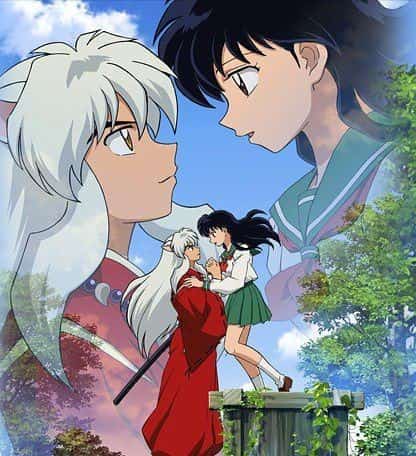
Manga
Description
"Who said, 'I don't like Sundays?'" is a manga series that explores themes of isolation, self-discovery, and the complexities of human relationships. The narrative centers around a high school student named Haruto, who struggles with feelings of alienation and a deep-seated aversion to Sundays. For Haruto, Sundays symbolize a day of emptiness and loneliness, as they are often spent alone, devoid of the structure and social interactions that weekdays provide. This emotional burden stems from a traumatic childhood incident that left him disconnected from his peers and family.
The story unfolds as Haruto encounters a mysterious transfer student named Aoi, who seems to carry her own emotional scars. Aoi’s arrival disrupts Haruto’s monotonous routine, as she displays an uncanny ability to perceive and challenge his inner turmoil. Their interactions gradually reveal shared vulnerabilities, and a tentative friendship begins to form. Aoi’s presence forces Haruto to confront his past and reevaluate his perception of Sundays, which he had long associated with despair.
As the narrative progresses, the relationship between Haruto and Aoi deepens, and their bond becomes a catalyst for personal growth. Through a series of poignant and introspective moments, the story delves into their individual struggles, including Aoi’s own reasons for transferring schools and her hidden pain. The manga also introduces secondary characters, such as Haruto’s childhood friend, Yuki, who provides a contrasting perspective on his life and serves as a reminder of the connections he has neglected.
The plot is driven by a blend of emotional introspection and subtle plot twists, as Haruto and Aoi navigate their evolving relationship and the challenges that arise from their intertwined pasts. The manga’s pacing allows for a gradual unraveling of their backstories, culminating in a resolution that emphasizes the importance of human connection and the possibility of healing. The narrative avoids overt melodrama, instead relying on quiet, reflective moments to convey its themes.
"Who said, 'I don't like Sundays?'" is characterized by its nuanced portrayal of its protagonists and its exploration of universal themes such as loneliness, resilience, and the search for meaning. The story’s strength lies in its ability to balance emotional depth with a straightforward, accessible narrative, making it a compelling read for those interested in character-driven dramas.
The story unfolds as Haruto encounters a mysterious transfer student named Aoi, who seems to carry her own emotional scars. Aoi’s arrival disrupts Haruto’s monotonous routine, as she displays an uncanny ability to perceive and challenge his inner turmoil. Their interactions gradually reveal shared vulnerabilities, and a tentative friendship begins to form. Aoi’s presence forces Haruto to confront his past and reevaluate his perception of Sundays, which he had long associated with despair.
As the narrative progresses, the relationship between Haruto and Aoi deepens, and their bond becomes a catalyst for personal growth. Through a series of poignant and introspective moments, the story delves into their individual struggles, including Aoi’s own reasons for transferring schools and her hidden pain. The manga also introduces secondary characters, such as Haruto’s childhood friend, Yuki, who provides a contrasting perspective on his life and serves as a reminder of the connections he has neglected.
The plot is driven by a blend of emotional introspection and subtle plot twists, as Haruto and Aoi navigate their evolving relationship and the challenges that arise from their intertwined pasts. The manga’s pacing allows for a gradual unraveling of their backstories, culminating in a resolution that emphasizes the importance of human connection and the possibility of healing. The narrative avoids overt melodrama, instead relying on quiet, reflective moments to convey its themes.
"Who said, 'I don't like Sundays?'" is characterized by its nuanced portrayal of its protagonists and its exploration of universal themes such as loneliness, resilience, and the search for meaning. The story’s strength lies in its ability to balance emotional depth with a straightforward, accessible narrative, making it a compelling read for those interested in character-driven dramas.
Comment(s)
Staff
- Story & ArtQ-ta Minami
Recommendations
Empfehlungen auf Basis gemeinsamer Kategorien.