Manga
Description
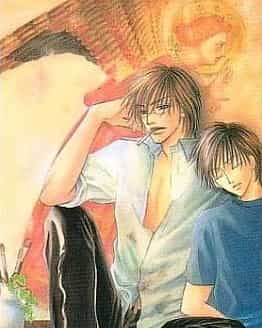
"In the Walnut" is a manga series that explores themes of memory, identity, and the passage of time through a surreal and introspective narrative. The story centers around a young man named Kakeru, who discovers a mysterious walnut in his childhood home. Upon cracking it open, he is transported into a fragmented, dreamlike world where his memories and emotions manifest as tangible, often bizarre, landscapes and characters.
The walnut serves as a gateway to Kakeru’s subconscious, revealing long-forgotten moments from his past, including his relationships with family, friends, and significant life events. Each memory is depicted with a mix of nostalgia and unease, as Kakeru confronts both the beauty and pain of his experiences. The narrative structure is non-linear, with the story oscillating between present-day Kakeru and his younger self, creating a layered exploration of his psyche.
Key characters include Kakeru’s childhood friend, Aoi, who represents a pivotal figure in his memories, embodying both joy and regret. Aoi’s presence in the walnut’s world is enigmatic, often guiding Kakeru through his emotional journey while challenging him to reconcile with his past. Another significant character is Kakeru’s father, whose absence and eventual reappearance in the narrative highlight themes of loss and reconciliation. The father’s role is symbolic, representing both the weight of familial expectations and the longing for connection.
As Kakeru delves deeper into the walnut’s world, the boundaries between reality and imagination blur. The surreal landscapes he encounters—ranging from idyllic meadows to oppressive, labyrinthine structures—reflect his inner turmoil and growth. The story’s pacing is deliberate, allowing for moments of introspection and emotional resonance. The climax revolves around Kakeru’s decision to either remain in the walnut’s world, where he can relive and reshape his memories, or return to reality and accept the imperfections of his life.
The manga’s art style complements its narrative, with detailed, evocative imagery that enhances the dreamlike quality of the story. The use of symbolism, such as recurring motifs of clocks and mirrors, underscores the themes of time and self-reflection. "In the Walnut" is a contemplative work that invites readers to reflect on their own memories and the ways in which the past shapes the present.
The walnut serves as a gateway to Kakeru’s subconscious, revealing long-forgotten moments from his past, including his relationships with family, friends, and significant life events. Each memory is depicted with a mix of nostalgia and unease, as Kakeru confronts both the beauty and pain of his experiences. The narrative structure is non-linear, with the story oscillating between present-day Kakeru and his younger self, creating a layered exploration of his psyche.
Key characters include Kakeru’s childhood friend, Aoi, who represents a pivotal figure in his memories, embodying both joy and regret. Aoi’s presence in the walnut’s world is enigmatic, often guiding Kakeru through his emotional journey while challenging him to reconcile with his past. Another significant character is Kakeru’s father, whose absence and eventual reappearance in the narrative highlight themes of loss and reconciliation. The father’s role is symbolic, representing both the weight of familial expectations and the longing for connection.
As Kakeru delves deeper into the walnut’s world, the boundaries between reality and imagination blur. The surreal landscapes he encounters—ranging from idyllic meadows to oppressive, labyrinthine structures—reflect his inner turmoil and growth. The story’s pacing is deliberate, allowing for moments of introspection and emotional resonance. The climax revolves around Kakeru’s decision to either remain in the walnut’s world, where he can relive and reshape his memories, or return to reality and accept the imperfections of his life.
The manga’s art style complements its narrative, with detailed, evocative imagery that enhances the dreamlike quality of the story. The use of symbolism, such as recurring motifs of clocks and mirrors, underscores the themes of time and self-reflection. "In the Walnut" is a contemplative work that invites readers to reflect on their own memories and the ways in which the past shapes the present.
Comment(s)
Staff
- Story & ArtToko Kawai
Recommendations
Empfehlungen auf Basis gemeinsamer Kategorien.