Manga
Description
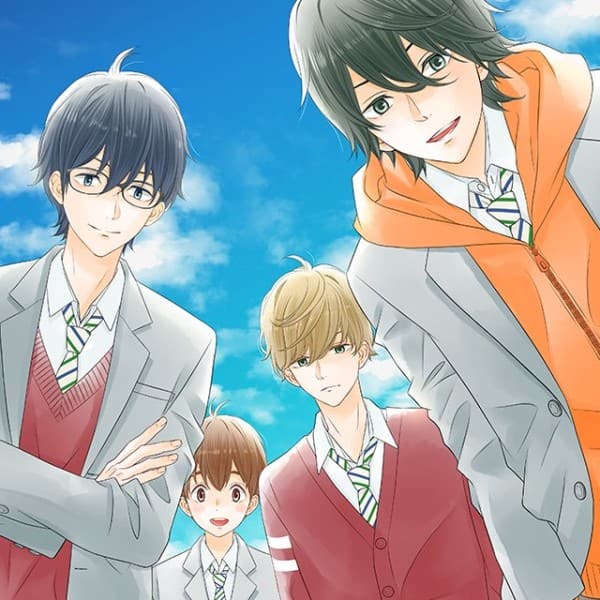
"Haru wa Mijikashi Koiseyo Danshi" is a manga series that explores themes of youth, romance, and self-discovery through the lives of its central characters. The narrative revolves around a group of high school boys navigating the complexities of adolescence, relationships, and personal growth. The protagonist, a reserved and introspective student, finds himself drawn into a series of emotional entanglements as he interacts with his peers. His journey is marked by moments of vulnerability, humor, and introspection, as he grapples with his feelings and the expectations placed upon him.
The story is structured around the changing seasons, with spring serving as a symbolic backdrop for the fleeting nature of youth and the urgency of forming meaningful connections. The protagonist’s relationships with his classmates, particularly a charismatic and outgoing friend, drive much of the plot. Their dynamic shifts between camaraderie and rivalry, reflecting the tensions and uncertainties of adolescence. A romantic subplot emerges as the protagonist develops feelings for a classmate, leading to moments of awkwardness, miscommunication, and eventual emotional clarity.
Secondary characters, including a quiet and observant friend and a spirited female classmate, add depth to the narrative, each contributing their own perspectives on love, friendship, and identity. The interactions between the characters are often lighthearted, but the story also delves into more serious themes, such as the pressure to conform, the fear of rejection, and the search for self-acceptance. The pacing balances episodic, slice-of-life moments with gradual character development, creating a relatable and engaging portrayal of teenage life.
The artwork complements the narrative, with expressive character designs and detailed backgrounds that enhance the emotional tone of the story. The use of visual metaphors, such as blooming flowers and changing weather, underscores the themes of growth and transformation. The dialogue is natural and reflective, capturing the nuances of adolescent communication. Overall, "Haru wa Mijikashi Koiseyo Danshi" offers a thoughtful and heartfelt exploration of the challenges and joys of growing up, making it a compelling read for fans of coming-of-age stories.
The story is structured around the changing seasons, with spring serving as a symbolic backdrop for the fleeting nature of youth and the urgency of forming meaningful connections. The protagonist’s relationships with his classmates, particularly a charismatic and outgoing friend, drive much of the plot. Their dynamic shifts between camaraderie and rivalry, reflecting the tensions and uncertainties of adolescence. A romantic subplot emerges as the protagonist develops feelings for a classmate, leading to moments of awkwardness, miscommunication, and eventual emotional clarity.
Secondary characters, including a quiet and observant friend and a spirited female classmate, add depth to the narrative, each contributing their own perspectives on love, friendship, and identity. The interactions between the characters are often lighthearted, but the story also delves into more serious themes, such as the pressure to conform, the fear of rejection, and the search for self-acceptance. The pacing balances episodic, slice-of-life moments with gradual character development, creating a relatable and engaging portrayal of teenage life.
The artwork complements the narrative, with expressive character designs and detailed backgrounds that enhance the emotional tone of the story. The use of visual metaphors, such as blooming flowers and changing weather, underscores the themes of growth and transformation. The dialogue is natural and reflective, capturing the nuances of adolescent communication. Overall, "Haru wa Mijikashi Koiseyo Danshi" offers a thoughtful and heartfelt exploration of the challenges and joys of growing up, making it a compelling read for fans of coming-of-age stories.
Comment(s)
Staff
- Story & ArtNana Shiiba
Recommendations
Empfehlungen auf Basis gemeinsamer Kategorien.