Manga
Description
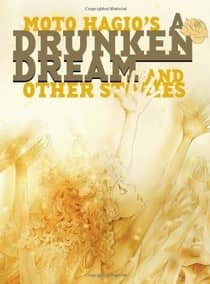
"A Drunken Dream" is a collection of short stories by Moto Hagio, one of the pioneers of shōjo manga. The anthology spans various genres, including science fiction, fantasy, and psychological drama, showcasing Hagio's versatility and thematic depth. Each story explores complex human emotions, relationships, and existential questions, often through speculative or allegorical frameworks.
One of the central stories, also titled "A Drunken Dream," revolves around a pair of conjoined twins, Lilia and Lilica, who share a single body but possess distinct personalities. Lilia is pragmatic and grounded, while Lilica is dreamy and idealistic. Their lives are marked by a profound sense of isolation and longing, as they navigate societal rejection and their own internal conflicts. The narrative delves into themes of identity, individuality, and the struggle for self-acceptance, culminating in a poignant exploration of their bond and the sacrifices they make for one another.
Another notable story, "Hanshin: Half-God," follows a young boy named Hanshin, who is born with a divine lineage but is treated as an outcast by both humans and gods. His journey is one of self-discovery and resilience, as he grapples with his dual nature and seeks a place where he belongs. The story examines themes of alienation, prejudice, and the search for meaning in a world that rejects difference.
"Iguana Girl" tells the story of Rika, a girl who is perceived as an iguana by her mother due to deep-seated psychological issues. This distorted perception shapes Rika's self-image and her relationship with her family. The narrative explores the impact of parental rejection and the struggle to overcome internalized self-hatred, offering a poignant commentary on the power of perception and the resilience of the human spirit.
Other stories in the collection, such as "The Child Who Comes Home" and "Marie, Ten Years Later," further explore themes of loss, memory, and the passage of time. These narratives often feature characters grappling with unresolved emotions or confronting the consequences of their actions, creating a sense of emotional depth and introspection.
The anthology as a whole is characterized by its exploration of human vulnerability and the complexities of relationships. Hagio's storytelling is marked by a blend of subtlety and emotional intensity, with each story offering a unique perspective on the human condition. The characters are often placed in extraordinary or surreal circumstances, which serve to highlight their inner struggles and the universal themes of love, identity, and belonging.
One of the central stories, also titled "A Drunken Dream," revolves around a pair of conjoined twins, Lilia and Lilica, who share a single body but possess distinct personalities. Lilia is pragmatic and grounded, while Lilica is dreamy and idealistic. Their lives are marked by a profound sense of isolation and longing, as they navigate societal rejection and their own internal conflicts. The narrative delves into themes of identity, individuality, and the struggle for self-acceptance, culminating in a poignant exploration of their bond and the sacrifices they make for one another.
Another notable story, "Hanshin: Half-God," follows a young boy named Hanshin, who is born with a divine lineage but is treated as an outcast by both humans and gods. His journey is one of self-discovery and resilience, as he grapples with his dual nature and seeks a place where he belongs. The story examines themes of alienation, prejudice, and the search for meaning in a world that rejects difference.
"Iguana Girl" tells the story of Rika, a girl who is perceived as an iguana by her mother due to deep-seated psychological issues. This distorted perception shapes Rika's self-image and her relationship with her family. The narrative explores the impact of parental rejection and the struggle to overcome internalized self-hatred, offering a poignant commentary on the power of perception and the resilience of the human spirit.
Other stories in the collection, such as "The Child Who Comes Home" and "Marie, Ten Years Later," further explore themes of loss, memory, and the passage of time. These narratives often feature characters grappling with unresolved emotions or confronting the consequences of their actions, creating a sense of emotional depth and introspection.
The anthology as a whole is characterized by its exploration of human vulnerability and the complexities of relationships. Hagio's storytelling is marked by a blend of subtlety and emotional intensity, with each story offering a unique perspective on the human condition. The characters are often placed in extraordinary or surreal circumstances, which serve to highlight their inner struggles and the universal themes of love, identity, and belonging.
Comment(s)
Staff
- Story & Art
Recommendations
Empfehlungen auf Basis gemeinsamer Kategorien.