Manga
Description
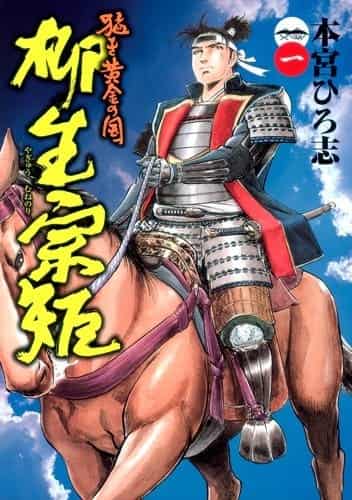
"Takeki Ōgon no Kuni: Yagyū Munenori" is a historical manga series set in Japan's Edo period, centering on the life and exploits of Yagyū Munenori, a renowned swordsman and strategist. The narrative explores Munenori's journey as he navigates the complex political and martial landscape of his time, serving as a key figure in the Tokugawa shogunate. The story begins with Munenori's early years, detailing his rigorous training under his father, Yagyū Munetoshi, and his mastery of the Yagyū Shinkage-ryū school of swordsmanship. His skills and intellect quickly earn him recognition, leading to his appointment as a sword instructor to the Tokugawa family.
The manga delves into Munenori's dual role as both a warrior and a political advisor, highlighting his contributions to the stability and governance of the Tokugawa regime. His interactions with historical figures such as Tokugawa Ieyasu and Hattori Hanzō are depicted, showcasing his strategic acumen and loyalty. The series also examines Munenori's internal struggles, including his philosophical reflections on the nature of power, duty, and the samurai code. Themes of honor, sacrifice, and the tension between personal ambition and service to the state are recurrent throughout the narrative.
As the story progresses, Munenori faces numerous challenges, including rivalries with other martial schools, political intrigue, and the moral dilemmas of wielding power. The manga portrays his efforts to balance his martial prowess with his responsibilities as a statesman, often placing him in situations where his decisions have far-reaching consequences. The series concludes with Munenori's legacy as a master swordsman and a pivotal figure in the consolidation of the Tokugawa shogunate, cementing his place in Japanese history. The narrative is grounded in historical events while incorporating dramatic elements to bring Munenori's story to life.
The manga delves into Munenori's dual role as both a warrior and a political advisor, highlighting his contributions to the stability and governance of the Tokugawa regime. His interactions with historical figures such as Tokugawa Ieyasu and Hattori Hanzō are depicted, showcasing his strategic acumen and loyalty. The series also examines Munenori's internal struggles, including his philosophical reflections on the nature of power, duty, and the samurai code. Themes of honor, sacrifice, and the tension between personal ambition and service to the state are recurrent throughout the narrative.
As the story progresses, Munenori faces numerous challenges, including rivalries with other martial schools, political intrigue, and the moral dilemmas of wielding power. The manga portrays his efforts to balance his martial prowess with his responsibilities as a statesman, often placing him in situations where his decisions have far-reaching consequences. The series concludes with Munenori's legacy as a master swordsman and a pivotal figure in the consolidation of the Tokugawa shogunate, cementing his place in Japanese history. The narrative is grounded in historical events while incorporating dramatic elements to bring Munenori's story to life.
Comment(s)
Staff
- Story & Art
Recommendations
Empfehlungen auf Basis gemeinsamer Kategorien.