Manga
Description
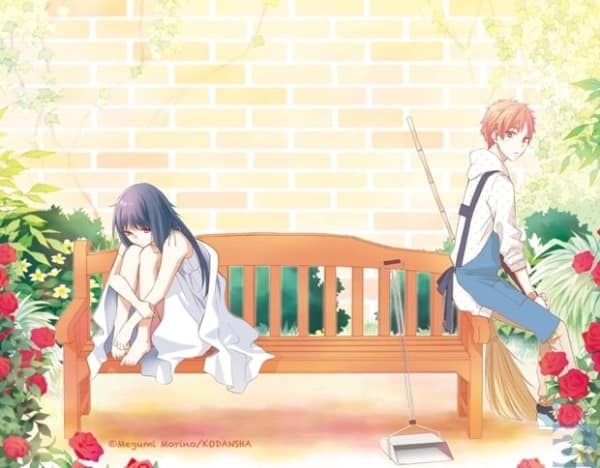
"Wake Up, Sleeping Beauty" is a supernatural romance manga set in modern-day Japan. The story centers on Tetsu Misato, a high school student who takes on a part-time job as a caretaker at a secluded mansion to support his family financially. The mansion is home to the Fujiwara family, whose daughter, Haru, has been confined to her room for years due to a mysterious illness. Tetsu is tasked with cleaning Haru's room, but he soon discovers that her condition is far more complex than it appears.
Haru Fujiwara is not merely ill; she is possessed by multiple spirits, each with its own personality and memories. These spirits take turns controlling her body, making her behavior unpredictable and isolating her from the outside world. Tetsu, initially skeptical of the supernatural, gradually comes to accept the reality of Haru's situation. As he spends more time with her, he forms a bond not only with Haru but also with the spirits inhabiting her. Each spirit has a story to tell, often tied to unresolved emotions or regrets from their past lives, and Tetsu becomes determined to help them find peace.
The narrative explores themes of loneliness, acceptance, and the human desire for connection. Tetsu's presence begins to change Haru's life, as he encourages her to confront the spirits and understand their needs. Through their interactions, Haru starts to regain a sense of agency over her own body and emotions. The relationship between Tetsu and Haru evolves from caretaker and patient to something deeper, as they navigate the challenges posed by the spirits and the societal stigma surrounding Haru's condition.
The manga delves into the backstories of the spirits, revealing their ties to Haru and the reasons they remain attached to her. These revelations add layers to the plot, intertwining the past and present in a way that impacts both Haru and Tetsu. As the story progresses, the focus shifts from resolving individual spirit-related conflicts to addressing the overarching question of whether Haru can ever live a normal life free from their influence.
The main characters are well-developed, with Tetsu serving as a grounded, empathetic protagonist whose determination to help Haru drives much of the narrative. Haru, on the other hand, is a complex character whose struggles with identity and autonomy are central to the story. The spirits, while secondary, are given distinct personalities and emotional depth, making their interactions with the main characters meaningful and impactful.
"Wake Up, Sleeping Beauty" balances supernatural elements with heartfelt human drama, creating a story that is both engaging and emotionally resonant. The manga's exploration of themes like love, loss, and redemption is woven seamlessly into its plot, making it a compelling read for fans of romance and supernatural genres.
Haru Fujiwara is not merely ill; she is possessed by multiple spirits, each with its own personality and memories. These spirits take turns controlling her body, making her behavior unpredictable and isolating her from the outside world. Tetsu, initially skeptical of the supernatural, gradually comes to accept the reality of Haru's situation. As he spends more time with her, he forms a bond not only with Haru but also with the spirits inhabiting her. Each spirit has a story to tell, often tied to unresolved emotions or regrets from their past lives, and Tetsu becomes determined to help them find peace.
The narrative explores themes of loneliness, acceptance, and the human desire for connection. Tetsu's presence begins to change Haru's life, as he encourages her to confront the spirits and understand their needs. Through their interactions, Haru starts to regain a sense of agency over her own body and emotions. The relationship between Tetsu and Haru evolves from caretaker and patient to something deeper, as they navigate the challenges posed by the spirits and the societal stigma surrounding Haru's condition.
The manga delves into the backstories of the spirits, revealing their ties to Haru and the reasons they remain attached to her. These revelations add layers to the plot, intertwining the past and present in a way that impacts both Haru and Tetsu. As the story progresses, the focus shifts from resolving individual spirit-related conflicts to addressing the overarching question of whether Haru can ever live a normal life free from their influence.
The main characters are well-developed, with Tetsu serving as a grounded, empathetic protagonist whose determination to help Haru drives much of the narrative. Haru, on the other hand, is a complex character whose struggles with identity and autonomy are central to the story. The spirits, while secondary, are given distinct personalities and emotional depth, making their interactions with the main characters meaningful and impactful.
"Wake Up, Sleeping Beauty" balances supernatural elements with heartfelt human drama, creating a story that is both engaging and emotionally resonant. The manga's exploration of themes like love, loss, and redemption is woven seamlessly into its plot, making it a compelling read for fans of romance and supernatural genres.
Comment(s)
Staff
- Story & Art
Recommendations
Empfehlungen auf Basis gemeinsamer Kategorien.