Manga
Description
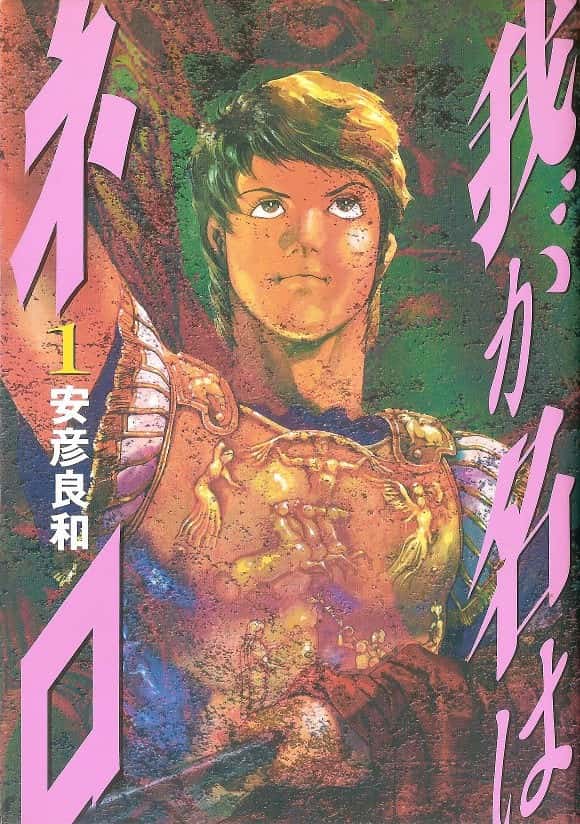
"Wa ga Na wa Nero" is a historical manga set in ancient Rome, centering on the life of the infamous Emperor Nero. The narrative explores Nero's rise to power, his reign, and the complexities of his rule, blending historical events with dramatic storytelling. The story begins with Nero's early years, depicting his upbringing under the influence of his mother, Agrippina the Younger, who orchestrates his ascent to the throne. Agrippina's political maneuvering and ambition play a pivotal role in shaping Nero's path, as she eliminates rivals and secures his position as emperor.
As Nero assumes power, the manga delves into his relationships with key figures, including his advisor Seneca, his wife Poppaea Sabina, and his loyal friend and confidant, Otho. The narrative portrays Nero's internal struggles, his desire for artistic expression, and his growing paranoia and tyranny. The Great Fire of Rome serves as a critical turning point, with Nero's response to the disaster further alienating him from the populace and the Senate. The manga also highlights Nero's artistic ambitions, particularly his passion for music and performance, which often clash with his responsibilities as a ruler.
The story does not shy away from depicting the darker aspects of Nero's reign, including his alleged involvement in the deaths of his mother and wife, as well as his persecution of Christians. The political intrigue, betrayals, and power struggles within the Roman Empire are central to the plot, offering a nuanced portrayal of Nero's character. The manga concludes with Nero's downfall, as rebellions and conspiracies lead to his eventual demise, marking the end of the Julio-Claudian dynasty.
The characters are portrayed with depth, emphasizing their motivations and the historical context of their actions. Nero is depicted as a multifaceted figure, torn between his artistic aspirations and the brutal realities of imperial rule. Agrippina's cunning and ambition, Seneca's philosophical ideals, and Poppaea's influence on Nero's decisions are all explored in detail. The manga provides a vivid depiction of ancient Rome, capturing the grandeur and decadence of the era while staying grounded in historical events and personalities.
As Nero assumes power, the manga delves into his relationships with key figures, including his advisor Seneca, his wife Poppaea Sabina, and his loyal friend and confidant, Otho. The narrative portrays Nero's internal struggles, his desire for artistic expression, and his growing paranoia and tyranny. The Great Fire of Rome serves as a critical turning point, with Nero's response to the disaster further alienating him from the populace and the Senate. The manga also highlights Nero's artistic ambitions, particularly his passion for music and performance, which often clash with his responsibilities as a ruler.
The story does not shy away from depicting the darker aspects of Nero's reign, including his alleged involvement in the deaths of his mother and wife, as well as his persecution of Christians. The political intrigue, betrayals, and power struggles within the Roman Empire are central to the plot, offering a nuanced portrayal of Nero's character. The manga concludes with Nero's downfall, as rebellions and conspiracies lead to his eventual demise, marking the end of the Julio-Claudian dynasty.
The characters are portrayed with depth, emphasizing their motivations and the historical context of their actions. Nero is depicted as a multifaceted figure, torn between his artistic aspirations and the brutal realities of imperial rule. Agrippina's cunning and ambition, Seneca's philosophical ideals, and Poppaea's influence on Nero's decisions are all explored in detail. The manga provides a vivid depiction of ancient Rome, capturing the grandeur and decadence of the era while staying grounded in historical events and personalities.
Comment(s)
Staff
- Story & Art
Recommendations
Empfehlungen auf Basis gemeinsamer Kategorien.