Movie
Description
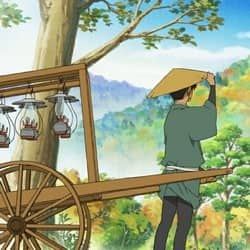
"O-jii-san no Lamp" is a short anime film set in the early 20th century, during Japan's transition from traditional oil lamps to electric lighting. The story centers on Minosuke, a young man who grows up in a rural village where oil lamps are the primary source of light. As a child, Minosuke is fascinated by the craftsmanship and utility of these lamps, which symbolize both tradition and the simplicity of rural life. His passion leads him to become a traveling lamp seller, bringing light to remote areas and earning a livelihood through his trade.
The narrative shifts to Minosuke's adulthood, where he faces the rapid modernization of Japan. The introduction of electric lighting begins to render oil lamps obsolete, threatening his way of life. Despite his initial resistance, Minosuke eventually comes to terms with the inevitability of progress. The story explores his internal conflict between preserving tradition and adapting to change, as well as the broader societal shift from old to new.
The film also delves into Minosuke's relationship with his grandson, who serves as a framing device for the story. Through their interactions, the generational gap and differing perspectives on technology and tradition are highlighted. The grandson, living in a modern era, struggles to understand the significance of oil lamps, while Minosuke reflects on their cultural and personal importance.
The characters are grounded and relatable, with Minosuke embodying the resilience and adaptability of individuals facing societal transformation. The narrative is concise yet emotionally resonant, capturing the bittersweet nature of progress and the passage of time. The film's historical setting provides a rich backdrop for exploring themes of change, memory, and the enduring value of tradition in a rapidly evolving world.
The narrative shifts to Minosuke's adulthood, where he faces the rapid modernization of Japan. The introduction of electric lighting begins to render oil lamps obsolete, threatening his way of life. Despite his initial resistance, Minosuke eventually comes to terms with the inevitability of progress. The story explores his internal conflict between preserving tradition and adapting to change, as well as the broader societal shift from old to new.
The film also delves into Minosuke's relationship with his grandson, who serves as a framing device for the story. Through their interactions, the generational gap and differing perspectives on technology and tradition are highlighted. The grandson, living in a modern era, struggles to understand the significance of oil lamps, while Minosuke reflects on their cultural and personal importance.
The characters are grounded and relatable, with Minosuke embodying the resilience and adaptability of individuals facing societal transformation. The narrative is concise yet emotionally resonant, capturing the bittersweet nature of progress and the passage of time. The film's historical setting provides a rich backdrop for exploring themes of change, memory, and the enduring value of tradition in a rapidly evolving world.
Comment(s)
Staff
- DirectorTeiichi Takiguchi
- MusicTakefumi Haketa
- Character DesignMinoko Takasu
- Animation DirectorMinoko Takasu
- Director of PhotographyNaho Mitsuishi
- ScreenplayTeiichi TakiguchiIkuko Takahashi
- Original creator
- Art DirectorYūji Ōnuki
- Sound DirectorHiromi Kikuta
- ProducerKōji Takeuchi
Production
- Animation ProductionTelecom Animation Film
Relations
Recommendations based on shared tags.