Movie
Description
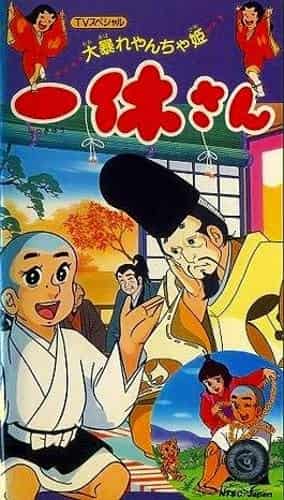
"Ikkyū-san: Haru da! Yancha-hime" is a 1977 anime series that serves as a continuation of the original "Ikkyū-san" series, focusing on the adventures of the young Zen Buddhist monk Ikkyū. Set in feudal Japan, the story revolves around Ikkyū's cleverness, resourcefulness, and moral integrity as he navigates various challenges and interacts with people from all walks of life. The series blends historical elements with lighthearted humor and moral lessons, making it accessible to a younger audience while retaining depth for older viewers.
The narrative begins with Ikkyū, a precocious and wise child, living in a temple under the guidance of his mentor, Priest Nanzen. Despite his young age, Ikkyū demonstrates exceptional intelligence and a deep understanding of human nature, often using his wit to solve problems and outsmart those who seek to take advantage of others. His adventures frequently involve encounters with corrupt officials, greedy merchants, and mischievous individuals, all of whom are ultimately taught valuable lessons through Ikkyū's actions.
A central figure in the series is Princess Yancha, a spirited and mischievous young girl who often finds herself in trouble. Her playful and sometimes reckless behavior contrasts with Ikkyū's calm and thoughtful demeanor, creating a dynamic relationship between the two. Despite their differences, they share a strong bond, and Ikkyū often steps in to help her navigate the consequences of her actions. Princess Yancha's presence adds a layer of humor and unpredictability to the story, as her antics frequently lead to new challenges for Ikkyū to resolve.
Throughout the series, Ikkyū's adventures are interwoven with themes of justice, compassion, and the importance of wisdom over brute strength. His solutions to problems often involve clever wordplay, riddles, or unconventional thinking, showcasing his unique approach to life. The series also explores the cultural and spiritual aspects of Zen Buddhism, with Ikkyū frequently offering insights into its teachings through his actions and dialogue.
Supporting characters include Priest Nanzen, who serves as a father figure and moral guide to Ikkyū, and various townspeople, monks, and nobles who interact with Ikkyū in different contexts. These characters often serve as foils to Ikkyū's wisdom, highlighting societal flaws or personal shortcomings that Ikkyū helps them overcome. The episodic nature of the series allows for a wide range of stories, from lighthearted escapades to more serious moral dilemmas, all tied together by Ikkyū's unwavering commitment to doing what is right.
"Ikkyū-san: Haru da! Yancha-hime" maintains the charm and educational value of its predecessor while introducing new characters and scenarios to keep the narrative fresh. Its blend of humor, adventure, and moral lessons makes it a timeless piece of children's entertainment with enduring appeal.
The narrative begins with Ikkyū, a precocious and wise child, living in a temple under the guidance of his mentor, Priest Nanzen. Despite his young age, Ikkyū demonstrates exceptional intelligence and a deep understanding of human nature, often using his wit to solve problems and outsmart those who seek to take advantage of others. His adventures frequently involve encounters with corrupt officials, greedy merchants, and mischievous individuals, all of whom are ultimately taught valuable lessons through Ikkyū's actions.
A central figure in the series is Princess Yancha, a spirited and mischievous young girl who often finds herself in trouble. Her playful and sometimes reckless behavior contrasts with Ikkyū's calm and thoughtful demeanor, creating a dynamic relationship between the two. Despite their differences, they share a strong bond, and Ikkyū often steps in to help her navigate the consequences of her actions. Princess Yancha's presence adds a layer of humor and unpredictability to the story, as her antics frequently lead to new challenges for Ikkyū to resolve.
Throughout the series, Ikkyū's adventures are interwoven with themes of justice, compassion, and the importance of wisdom over brute strength. His solutions to problems often involve clever wordplay, riddles, or unconventional thinking, showcasing his unique approach to life. The series also explores the cultural and spiritual aspects of Zen Buddhism, with Ikkyū frequently offering insights into its teachings through his actions and dialogue.
Supporting characters include Priest Nanzen, who serves as a father figure and moral guide to Ikkyū, and various townspeople, monks, and nobles who interact with Ikkyū in different contexts. These characters often serve as foils to Ikkyū's wisdom, highlighting societal flaws or personal shortcomings that Ikkyū helps them overcome. The episodic nature of the series allows for a wide range of stories, from lighthearted escapades to more serious moral dilemmas, all tied together by Ikkyū's unwavering commitment to doing what is right.
"Ikkyū-san: Haru da! Yancha-hime" maintains the charm and educational value of its predecessor while introducing new characters and scenarios to keep the narrative fresh. Its blend of humor, adventure, and moral lessons makes it a timeless piece of children's entertainment with enduring appeal.
Cast
- Gaikan-oshō
- Sayo-chan
- Shūnen
- Tessai
- Yayoi
- Shogun Ashikaga Yoshimitsu
Comment(s)
Staff
- DirectorKimio Yabuki
- MusicSeiichirō Uno
- ProducerChiaki Imada
- ScreenplayMasaki Tsuji
- Animation DirectorHiroshi Wagatsuma
Production
- Animation ProductionToei Animation
Relations