TV Special
Description
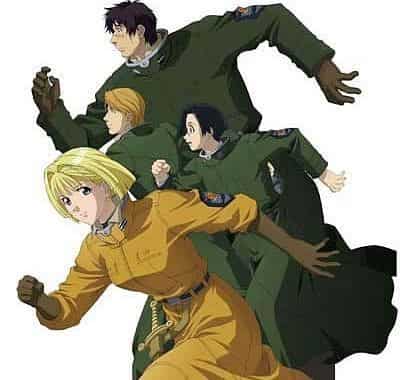
"The Harp of Burma," based on the novel by Michio Takeyama, is set during the final days of World War II in Burma (modern-day Myanmar). The story centers on a Japanese platoon led by Captain Inouye, with Private Mizushima serving as a key figure. Mizushima, a skilled harpist, uses his music to boost the morale of his fellow soldiers, providing solace amidst the chaos of war. The platoon faces the harsh realities of conflict, including hunger, disease, and the psychological toll of prolonged combat.
As the war nears its end, the platoon learns of Japan's surrender. While most of the soldiers are taken as prisoners of war by British forces, Mizushima is presumed dead after a skirmish. Unbeknownst to his comrades, he survives and disguises himself as a Buddhist monk to avoid capture. This transformation allows him to wander through the war-torn landscape, witnessing the devastation and suffering inflicted on both soldiers and civilians. His harp becomes a symbol of his internal struggle, as he grapples with guilt, loss, and the futility of war.
Mizushima's journey takes on a spiritual dimension as he encounters the dead, both Japanese and Burmese, and feels compelled to honor their memories. He begins collecting and burying the remains of fallen soldiers, driven by a sense of duty to provide them with dignity in death. This mission becomes his sole purpose, leading him further away from his former identity as a soldier. Meanwhile, his former comrades, now in a POW camp, hear rumors of a monk playing a harp and suspect it might be Mizushima. They attempt to locate him, but their efforts are complicated by his deep immersion in his new role.
The narrative explores themes of identity, redemption, and the human cost of war. Mizushima's transformation from soldier to monk reflects his search for meaning in the aftermath of destruction. His actions, though solitary, highlight the universal need for compassion and remembrance in the face of tragedy. The story concludes with Mizushima's fate remaining ambiguous, leaving his former comrades to reflect on his legacy and the enduring impact of his choices. Through its poignant storytelling, "The Harp of Burma" offers a profound meditation on the consequences of war and the resilience of the human spirit.
As the war nears its end, the platoon learns of Japan's surrender. While most of the soldiers are taken as prisoners of war by British forces, Mizushima is presumed dead after a skirmish. Unbeknownst to his comrades, he survives and disguises himself as a Buddhist monk to avoid capture. This transformation allows him to wander through the war-torn landscape, witnessing the devastation and suffering inflicted on both soldiers and civilians. His harp becomes a symbol of his internal struggle, as he grapples with guilt, loss, and the futility of war.
Mizushima's journey takes on a spiritual dimension as he encounters the dead, both Japanese and Burmese, and feels compelled to honor their memories. He begins collecting and burying the remains of fallen soldiers, driven by a sense of duty to provide them with dignity in death. This mission becomes his sole purpose, leading him further away from his former identity as a soldier. Meanwhile, his former comrades, now in a POW camp, hear rumors of a monk playing a harp and suspect it might be Mizushima. They attempt to locate him, but their efforts are complicated by his deep immersion in his new role.
The narrative explores themes of identity, redemption, and the human cost of war. Mizushima's transformation from soldier to monk reflects his search for meaning in the aftermath of destruction. His actions, though solitary, highlight the universal need for compassion and remembrance in the face of tragedy. The story concludes with Mizushima's fate remaining ambiguous, leaving his former comrades to reflect on his legacy and the enduring impact of his choices. Through its poignant storytelling, "The Harp of Burma" offers a profound meditation on the consequences of war and the resilience of the human spirit.
Cast
- Private 1st Class Okada
- Private 1st Class Abe
- Old Woman
- Private 1st Class Maruyama
- Senior Private Kobayashi
- Kei Yamamoto
- Senior Private Baba
Comment(s)
Staff
- Director
- MusicKōichi Sakata
- Original NovelMichio Takeyama
- Art DirectorKazue Itō
- Script
- Character DesignSusumu Shiraume
- Executive producerKōichi Motohashi
Production
- ProductionNippon Animation
Relations
Recommendations based on shared tags.