Manga
Description
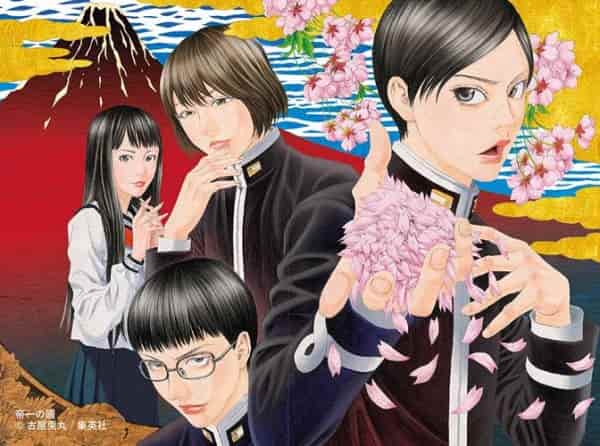
"Teiichi no Kuni" is a political drama manga set in a fictionalized version of Japan, exploring themes of governance, societal reform, and the complexities of leadership. The story centers on Teiichi Akaba, a young and idealistic politician who becomes the Prime Minister of Japan at the age of 29. His rise to power is unconventional, as he is not affiliated with any major political party but instead gains public support through his charismatic personality and innovative ideas. Teiichi’s vision is to transform Japan into a utopia by addressing systemic issues such as economic inequality, bureaucratic inefficiency, and social stagnation.
The narrative delves into the challenges Teiichi faces as he attempts to implement radical reforms. His policies often clash with established political norms, leading to resistance from both the opposition and members of his own cabinet. The story highlights the intricacies of political maneuvering, as Teiichi must navigate alliances, betrayals, and public opinion to achieve his goals. Key figures in the story include his loyal advisor, Shouko Kujou, who provides strategic counsel, and his rival, Ritsu Momose, a seasoned politician who represents the traditional political elite.
As the series progresses, Teiichi’s idealism is tested by the harsh realities of governance. His efforts to create a fairer society are met with both successes and failures, revealing the limitations of his vision and the compromises required in leadership. The manga also examines the personal sacrifices Teiichi makes, as his dedication to his mission strains his relationships and isolates him from those closest to him.
The plot is driven by a mix of political intrigue, moral dilemmas, and societal commentary, offering a nuanced portrayal of the challenges inherent in enacting change. Through its exploration of power dynamics and the human cost of ambition, "Teiichi no Kuni" presents a thought-provoking narrative that resonates with themes of responsibility, perseverance, and the pursuit of a better future.
The narrative delves into the challenges Teiichi faces as he attempts to implement radical reforms. His policies often clash with established political norms, leading to resistance from both the opposition and members of his own cabinet. The story highlights the intricacies of political maneuvering, as Teiichi must navigate alliances, betrayals, and public opinion to achieve his goals. Key figures in the story include his loyal advisor, Shouko Kujou, who provides strategic counsel, and his rival, Ritsu Momose, a seasoned politician who represents the traditional political elite.
As the series progresses, Teiichi’s idealism is tested by the harsh realities of governance. His efforts to create a fairer society are met with both successes and failures, revealing the limitations of his vision and the compromises required in leadership. The manga also examines the personal sacrifices Teiichi makes, as his dedication to his mission strains his relationships and isolates him from those closest to him.
The plot is driven by a mix of political intrigue, moral dilemmas, and societal commentary, offering a nuanced portrayal of the challenges inherent in enacting change. Through its exploration of power dynamics and the human cost of ambition, "Teiichi no Kuni" presents a thought-provoking narrative that resonates with themes of responsibility, perseverance, and the pursuit of a better future.
Comment(s)
Staff
- Story & Art
Recommendations
Empfehlungen auf Basis gemeinsamer Kategorien.