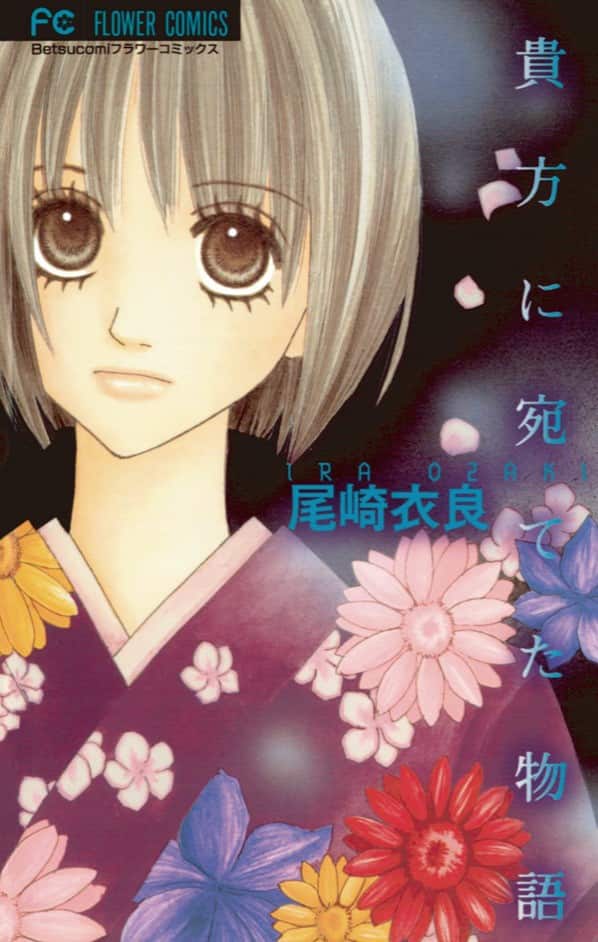
Manga
Description
"Anata ni Ateta Monogatari" is a manga series that explores themes of human connection, personal growth, and the passage of time through interconnected stories. The narrative is structured as an anthology, with each chapter focusing on different characters whose lives intersect in subtle yet meaningful ways. The central thread tying these stories together is a mysterious mailbox that appears in various locations, allowing individuals to send letters to their past or future selves, as well as to others who have used the mailbox.
The series begins with a young woman named Haruka, who stumbles upon the mailbox during a period of emotional turmoil. She writes a letter to her younger self, reflecting on her regrets and unresolved feelings. This act sets off a chain reaction, as the mailbox begins to appear in the lives of other characters, each grappling with their own struggles. A middle-aged man named Takashi uses the mailbox to communicate with his deceased wife, seeking closure and forgiveness. A high school student named Riku writes to his future self, questioning his aspirations and fears about adulthood.
As the stories unfold, the characters’ lives intertwine in unexpected ways, revealing shared experiences and mutual influences. The mailbox serves as a catalyst for self-reflection and transformation, prompting each character to confront their past decisions and envision new possibilities for the future. The narrative delves into themes of regret, hope, and the enduring impact of human relationships, emphasizing the idea that even small actions can have profound consequences.
The artwork complements the storytelling, with detailed expressions and settings that enhance the emotional depth of the characters’ journeys. The pacing is deliberate, allowing each story to unfold naturally while maintaining a sense of continuity across the series. "Anata ni Ateta Monogatari" is a poignant exploration of the human condition, offering a nuanced portrayal of how individuals navigate life’s challenges and find meaning in their connections with others.
The series begins with a young woman named Haruka, who stumbles upon the mailbox during a period of emotional turmoil. She writes a letter to her younger self, reflecting on her regrets and unresolved feelings. This act sets off a chain reaction, as the mailbox begins to appear in the lives of other characters, each grappling with their own struggles. A middle-aged man named Takashi uses the mailbox to communicate with his deceased wife, seeking closure and forgiveness. A high school student named Riku writes to his future self, questioning his aspirations and fears about adulthood.
As the stories unfold, the characters’ lives intertwine in unexpected ways, revealing shared experiences and mutual influences. The mailbox serves as a catalyst for self-reflection and transformation, prompting each character to confront their past decisions and envision new possibilities for the future. The narrative delves into themes of regret, hope, and the enduring impact of human relationships, emphasizing the idea that even small actions can have profound consequences.
The artwork complements the storytelling, with detailed expressions and settings that enhance the emotional depth of the characters’ journeys. The pacing is deliberate, allowing each story to unfold naturally while maintaining a sense of continuity across the series. "Anata ni Ateta Monogatari" is a poignant exploration of the human condition, offering a nuanced portrayal of how individuals navigate life’s challenges and find meaning in their connections with others.
Comment(s)
Staff
- Story & ArtIra Ozaki
Recommendations
Empfehlungen auf Basis gemeinsamer Kategorien.