Manga
Description
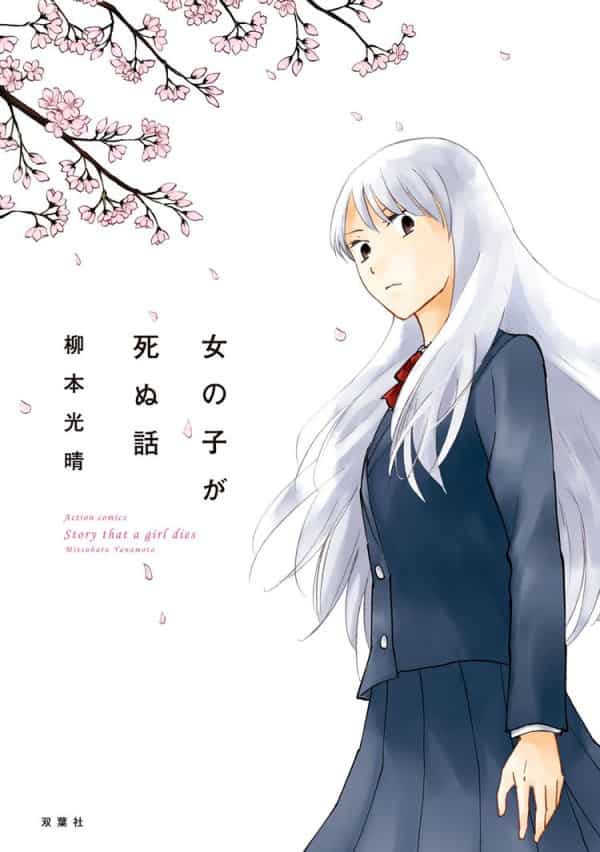
"Story that a Girl Dies" is a manga that explores themes of mortality, relationships, and the fragility of life through its central narrative. The story revolves around a young girl named Aoi, who is diagnosed with a terminal illness. Her condition becomes the focal point of the narrative, shaping her interactions with those around her and her perspective on life. Aoi’s journey is marked by her struggle to come to terms with her impending death while trying to maintain a sense of normalcy in her daily life.
The manga delves into Aoi’s relationships with her family, friends, and classmates, highlighting how her illness impacts those closest to her. Her parents grapple with grief and helplessness, while her younger sibling struggles to understand the gravity of the situation. At school, Aoi’s friends initially distance themselves, unsure of how to act around her, but gradually reconnect as they confront their own fears and emotions. The story also introduces a boy named Haruto, who becomes a significant figure in Aoi’s life. Their evolving relationship adds a layer of emotional depth, as Haruto helps Aoi find moments of joy and meaning despite her circumstances.
The narrative is structured around Aoi’s gradual acceptance of her fate, interspersed with flashbacks that provide insight into her life before the illness. These moments of reflection contrast with her present reality, emphasizing the abruptness of her situation. The manga does not shy away from depicting the physical and emotional toll of her condition, portraying her pain and vulnerability with stark realism. At the same time, it balances these heavier elements with moments of levity and hope, capturing the resilience of the human spirit.
As the story progresses, Aoi’s relationships deepen, and she begins to find solace in the connections she has forged. The manga culminates in a poignant exploration of legacy and the impact one life can have on others. Through its sensitive portrayal of Aoi’s journey, "Story that a Girl Dies" offers a thoughtful meditation on life, death, and the enduring power of human connection.
The manga delves into Aoi’s relationships with her family, friends, and classmates, highlighting how her illness impacts those closest to her. Her parents grapple with grief and helplessness, while her younger sibling struggles to understand the gravity of the situation. At school, Aoi’s friends initially distance themselves, unsure of how to act around her, but gradually reconnect as they confront their own fears and emotions. The story also introduces a boy named Haruto, who becomes a significant figure in Aoi’s life. Their evolving relationship adds a layer of emotional depth, as Haruto helps Aoi find moments of joy and meaning despite her circumstances.
The narrative is structured around Aoi’s gradual acceptance of her fate, interspersed with flashbacks that provide insight into her life before the illness. These moments of reflection contrast with her present reality, emphasizing the abruptness of her situation. The manga does not shy away from depicting the physical and emotional toll of her condition, portraying her pain and vulnerability with stark realism. At the same time, it balances these heavier elements with moments of levity and hope, capturing the resilience of the human spirit.
As the story progresses, Aoi’s relationships deepen, and she begins to find solace in the connections she has forged. The manga culminates in a poignant exploration of legacy and the impact one life can have on others. Through its sensitive portrayal of Aoi’s journey, "Story that a Girl Dies" offers a thoughtful meditation on life, death, and the enduring power of human connection.
Comment(s)
Staff
- Story & ArtMitsuharu Yanamoto
Recommendations
Empfehlungen auf Basis gemeinsamer Kategorien.