Manga
Description
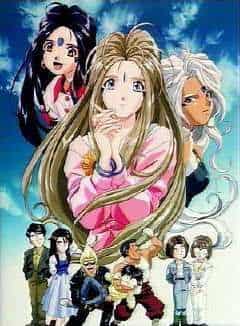
"Endless Comfort" is a manga series that explores themes of emotional healing, human connection, and personal growth through its intricate narrative and well-developed characters. The story centers on Haruto Aizawa, a young man grappling with the aftermath of a traumatic event that left him emotionally withdrawn and disconnected from those around him. His life takes a turn when he encounters Rina Takahashi, a compassionate and empathetic woman who works as a counselor at a community center. Rina’s unwavering kindness and patience gradually draw Haruto out of his shell, allowing him to confront his past and begin the process of healing.
The narrative unfolds in a series of interconnected arcs, each focusing on different characters who frequent the community center. These individuals, ranging from troubled teenagers to elderly individuals facing loneliness, each carry their own burdens and struggles. Through their interactions with Haruto and Rina, the series delves into their personal stories, highlighting the ways in which small acts of kindness and understanding can have profound impacts on others. The community center serves as a central hub, symbolizing a safe space where characters find solace and support.
As Haruto becomes more involved in the center’s activities, he begins to form meaningful relationships with its visitors, including a rebellious teenager named Sora, who harbors deep-seated anger toward his family, and an elderly woman named Yoko, who struggles with feelings of isolation after the loss of her husband. These relationships not only aid Haruto’s own emotional recovery but also allow him to become a source of comfort for others. The series balances moments of introspection with lighter, heartwarming interactions, creating a narrative that feels both grounded and uplifting.
The pacing of "Endless Comfort" is deliberate, allowing for deep exploration of its characters’ inner lives and the gradual progression of their emotional journeys. Themes of forgiveness, resilience, and the importance of human connection are woven throughout the story, emphasizing the idea that healing is a continuous process. The manga avoids overly dramatic resolutions, instead opting for realistic portrayals of growth and change. By the end of the series, Haruto and the other characters have undergone significant personal transformations, though their journeys remain open-ended, reflecting the ongoing nature of life’s challenges and triumphs.
The narrative unfolds in a series of interconnected arcs, each focusing on different characters who frequent the community center. These individuals, ranging from troubled teenagers to elderly individuals facing loneliness, each carry their own burdens and struggles. Through their interactions with Haruto and Rina, the series delves into their personal stories, highlighting the ways in which small acts of kindness and understanding can have profound impacts on others. The community center serves as a central hub, symbolizing a safe space where characters find solace and support.
As Haruto becomes more involved in the center’s activities, he begins to form meaningful relationships with its visitors, including a rebellious teenager named Sora, who harbors deep-seated anger toward his family, and an elderly woman named Yoko, who struggles with feelings of isolation after the loss of her husband. These relationships not only aid Haruto’s own emotional recovery but also allow him to become a source of comfort for others. The series balances moments of introspection with lighter, heartwarming interactions, creating a narrative that feels both grounded and uplifting.
The pacing of "Endless Comfort" is deliberate, allowing for deep exploration of its characters’ inner lives and the gradual progression of their emotional journeys. Themes of forgiveness, resilience, and the importance of human connection are woven throughout the story, emphasizing the idea that healing is a continuous process. The manga avoids overly dramatic resolutions, instead opting for realistic portrayals of growth and change. By the end of the series, Haruto and the other characters have undergone significant personal transformations, though their journeys remain open-ended, reflecting the ongoing nature of life’s challenges and triumphs.
Comment(s)
Staff
- Story & ArtSakuya Sakura
Recommendations
Empfehlungen auf Basis gemeinsamer Kategorien.