Manga
Description
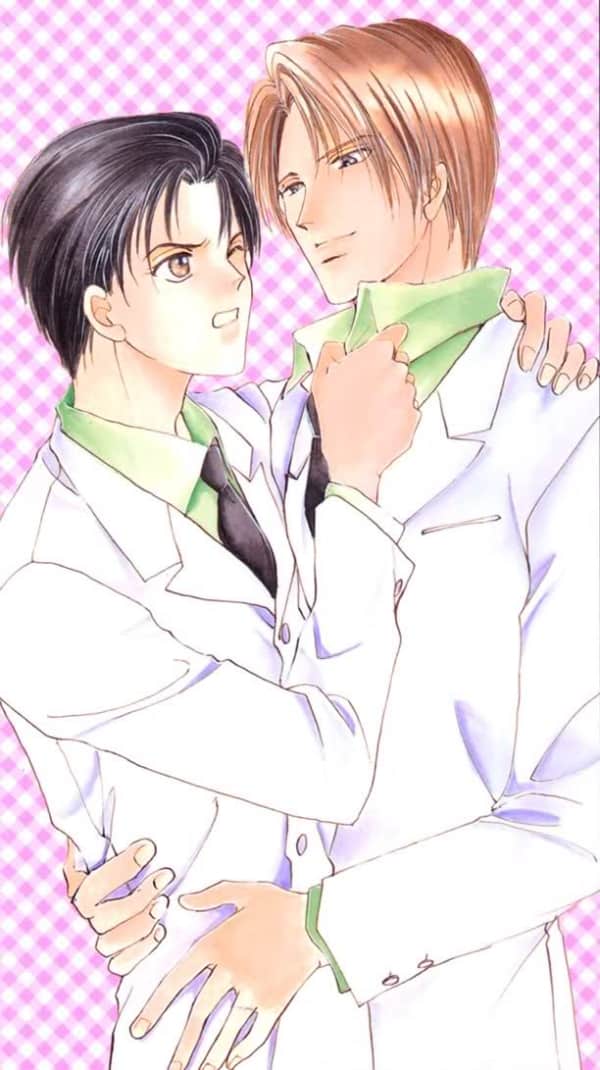
"Hate to Love You" is a romantic comedy manga that explores the evolving relationship between two individuals who initially clash but gradually develop deeper feelings for each other. The story centers on a strong-willed, independent female protagonist and a confident, often aloof male lead, whose personalities and circumstances create a dynamic of tension and attraction.
The narrative begins with the two protagonists forced into close proximity, often due to work, school, or other external circumstances. Their initial interactions are marked by misunderstandings, bickering, and a mutual disdain for each other’s attitudes or behaviors. The female lead is typically portrayed as sharp-tongued and determined, while the male lead is often depicted as arrogant or dismissive, though with underlying qualities that hint at his complexity.
As the story progresses, their constant interactions lead to moments of vulnerability and unexpected understanding. Shared experiences, such as collaborative projects, mutual friends, or external challenges, force them to rely on each other, gradually breaking down their initial animosity. The manga employs comedic elements, such as exaggerated reactions and situational humor, to balance the emotional tension and highlight the growing chemistry between the characters.
Key supporting characters often play a role in advancing the plot, whether through meddling, providing advice, or creating scenarios that push the protagonists closer together. These characters add depth to the story, offering perspectives that contrast with or complement the main duo’s evolving relationship.
The turning point in the narrative typically involves a significant event or revelation that forces the protagonists to confront their true feelings. This moment of clarity often leads to a shift in their dynamic, as they begin to acknowledge their growing affection for one another. The resolution of the story sees them navigating the complexities of their new relationship, balancing their individual personalities with the compromises required to maintain their bond.
The manga’s pacing balances humor, emotional depth, and romantic development, creating a narrative that appeals to fans of the enemies-to-lovers trope. The characters’ growth, both individually and as a pair, is central to the story, making "Hate to Love You" a compelling exploration of how initial dislike can transform into genuine love.
The narrative begins with the two protagonists forced into close proximity, often due to work, school, or other external circumstances. Their initial interactions are marked by misunderstandings, bickering, and a mutual disdain for each other’s attitudes or behaviors. The female lead is typically portrayed as sharp-tongued and determined, while the male lead is often depicted as arrogant or dismissive, though with underlying qualities that hint at his complexity.
As the story progresses, their constant interactions lead to moments of vulnerability and unexpected understanding. Shared experiences, such as collaborative projects, mutual friends, or external challenges, force them to rely on each other, gradually breaking down their initial animosity. The manga employs comedic elements, such as exaggerated reactions and situational humor, to balance the emotional tension and highlight the growing chemistry between the characters.
Key supporting characters often play a role in advancing the plot, whether through meddling, providing advice, or creating scenarios that push the protagonists closer together. These characters add depth to the story, offering perspectives that contrast with or complement the main duo’s evolving relationship.
The turning point in the narrative typically involves a significant event or revelation that forces the protagonists to confront their true feelings. This moment of clarity often leads to a shift in their dynamic, as they begin to acknowledge their growing affection for one another. The resolution of the story sees them navigating the complexities of their new relationship, balancing their individual personalities with the compromises required to maintain their bond.
The manga’s pacing balances humor, emotional depth, and romantic development, creating a narrative that appeals to fans of the enemies-to-lovers trope. The characters’ growth, both individually and as a pair, is central to the story, making "Hate to Love You" a compelling exploration of how initial dislike can transform into genuine love.
Comment(s)
Staff
- Story & ArtMakoto Tateno
Recommendations
Empfehlungen auf Basis gemeinsamer Kategorien.