Manga
Description
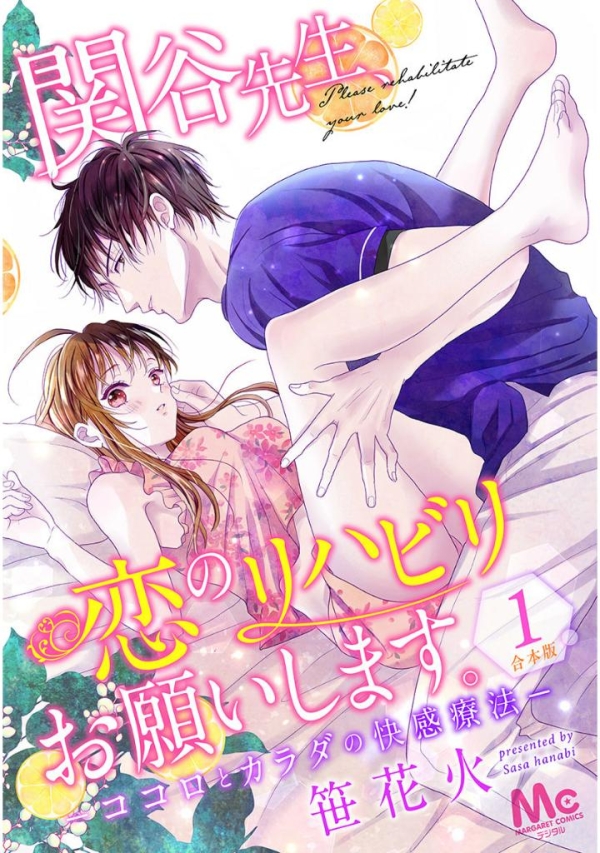
"Sekiya-sensei, Koi no Rihabiri Onegaishimasu" centers on Sekiya, a physical therapist who specializes in rehabilitation for patients recovering from injuries or surgeries. His professional demeanor is calm and methodical, but his personal life is marked by emotional detachment and a reluctance to form close relationships. This changes when he meets Natsuki, a young woman recovering from a knee injury sustained during her career as a professional ballet dancer. Natsuki’s injury has left her physically and emotionally vulnerable, and she struggles to regain her confidence and mobility.
Sekiya’s approach to Natsuki’s rehabilitation is initially clinical, focusing solely on her physical recovery. However, as they spend more time together, he begins to notice her determination and passion for ballet, which contrasts sharply with his own guarded personality. Natsuki, in turn, becomes intrigued by Sekiya’s quiet intensity and the glimpses of vulnerability he occasionally reveals. Their professional relationship gradually deepens into a personal connection, with both characters confronting their own fears and insecurities.
The narrative explores themes of healing, both physical and emotional, as Sekiya and Natsuki navigate their evolving relationship. Sekiya’s past, marked by a failed relationship and a sense of isolation, is gradually revealed, shedding light on his reluctance to open up to others. Natsuki’s journey is equally compelling, as she grapples with the possibility of never returning to ballet and the need to redefine her identity beyond her career. The story balances moments of introspection with the practical challenges of rehabilitation, creating a nuanced portrayal of recovery and personal growth.
Supporting characters, including Sekiya’s colleagues and Natsuki’s friends, provide additional layers to the story, offering perspectives on love, ambition, and resilience. The manga’s pacing allows for a gradual development of the central relationship, emphasizing the importance of trust and communication in overcoming emotional barriers. Through its focus on the intersection of physical therapy and emotional healing, the series presents a thoughtful exploration of human connection and the complexities of moving forward after loss or trauma.
Sekiya’s approach to Natsuki’s rehabilitation is initially clinical, focusing solely on her physical recovery. However, as they spend more time together, he begins to notice her determination and passion for ballet, which contrasts sharply with his own guarded personality. Natsuki, in turn, becomes intrigued by Sekiya’s quiet intensity and the glimpses of vulnerability he occasionally reveals. Their professional relationship gradually deepens into a personal connection, with both characters confronting their own fears and insecurities.
The narrative explores themes of healing, both physical and emotional, as Sekiya and Natsuki navigate their evolving relationship. Sekiya’s past, marked by a failed relationship and a sense of isolation, is gradually revealed, shedding light on his reluctance to open up to others. Natsuki’s journey is equally compelling, as she grapples with the possibility of never returning to ballet and the need to redefine her identity beyond her career. The story balances moments of introspection with the practical challenges of rehabilitation, creating a nuanced portrayal of recovery and personal growth.
Supporting characters, including Sekiya’s colleagues and Natsuki’s friends, provide additional layers to the story, offering perspectives on love, ambition, and resilience. The manga’s pacing allows for a gradual development of the central relationship, emphasizing the importance of trust and communication in overcoming emotional barriers. Through its focus on the intersection of physical therapy and emotional healing, the series presents a thoughtful exploration of human connection and the complexities of moving forward after loss or trauma.
Comment(s)
Staff
- Story & ArtHanabi Sasa
Recommendations
Empfehlungen auf Basis gemeinsamer Kategorien.