Manga
Description
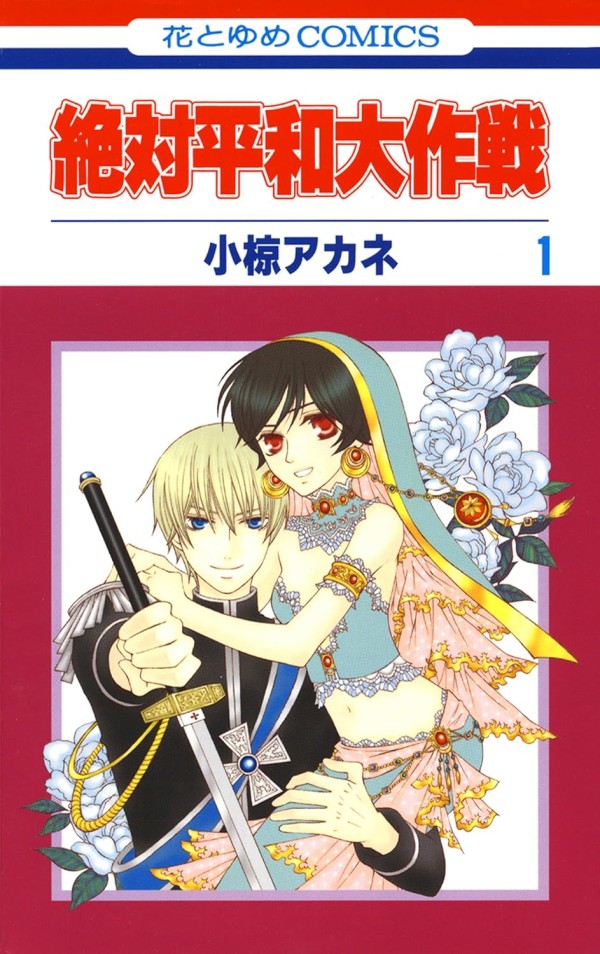
The long-lasting war between the Northern Kingdom of Meteora and the Southern Kingdom of Kanan grinds on, draining both nations. To end the bloodshed, Prince Johanne of Meteora and Princess Euda of Kanan announce that they have fallen in love and plan to marry, presenting a united front that forces their war-weary kingdoms into a ceasefire. In reality, the two cannot stand each other. Johanne, a boastful and blunt prince, orchestrated the scheme by exploiting Euda’s genuine desire for peace, while Euda, a serious and violence-averse princess, finds his rough manners insufferable. They take up residence in the border town of Judecca, where they must maintain the charade of a doting couple in public while bickering constantly in private.
As they navigate their strained coexistence, political forces threaten the fragile peace. Johanne’s elder brother, Joshua, resents his influence and plots against him, and remnants of old Judeccan nobility and former prisoners seek to destabilize the union. Assassination attempts, slander about Johanne’s past involvement in a massacre, and a crisis at their wedding when the king of Meteora is shot by a Kanan former soldier all test their commitment. Through these ordeals, the initial hostility between Johanne and Euda gradually softens into genuine affection. They learn to trust and forgive each other, moving from a fake engagement to a real love that must withstand the weight of their countries’ history.
The setting blends late‑19th‑ to early‑20th‑century aesthetics: Meteora resembles a European forested realm with suits, dresses, and parliamentary governance, while Kanan is a desert kingdom whose people wear hooded cloaks and turbans, inspired by North African and Middle Eastern cultures. Judecca, a former holy city rich in underground resources, serves as the symbolic heart of the peace. Supporting characters include Euda’s loyal attendants and Johanne’s aides, who help or hinder the couple. Over the course of nineteen chapters, the story balances comedy—much of it drawn from Euda’s tsundere reactions and Johanne’s bold provocations—with escalating dramatic stakes, culminating in a final test where Johanne must choose between his kingdom’s demand for vengeance and his bond with Euda. The narrative resolves with the couple’s love proven genuine, securing the peace they once only pretended to believe in.
As they navigate their strained coexistence, political forces threaten the fragile peace. Johanne’s elder brother, Joshua, resents his influence and plots against him, and remnants of old Judeccan nobility and former prisoners seek to destabilize the union. Assassination attempts, slander about Johanne’s past involvement in a massacre, and a crisis at their wedding when the king of Meteora is shot by a Kanan former soldier all test their commitment. Through these ordeals, the initial hostility between Johanne and Euda gradually softens into genuine affection. They learn to trust and forgive each other, moving from a fake engagement to a real love that must withstand the weight of their countries’ history.
The setting blends late‑19th‑ to early‑20th‑century aesthetics: Meteora resembles a European forested realm with suits, dresses, and parliamentary governance, while Kanan is a desert kingdom whose people wear hooded cloaks and turbans, inspired by North African and Middle Eastern cultures. Judecca, a former holy city rich in underground resources, serves as the symbolic heart of the peace. Supporting characters include Euda’s loyal attendants and Johanne’s aides, who help or hinder the couple. Over the course of nineteen chapters, the story balances comedy—much of it drawn from Euda’s tsundere reactions and Johanne’s bold provocations—with escalating dramatic stakes, culminating in a final test where Johanne must choose between his kingdom’s demand for vengeance and his bond with Euda. The narrative resolves with the couple’s love proven genuine, securing the peace they once only pretended to believe in.
Comment(s)
Staff
- Story & Art
Recommendations
Empfehlungen auf Basis gemeinsamer Kategorien.