Manga
Description
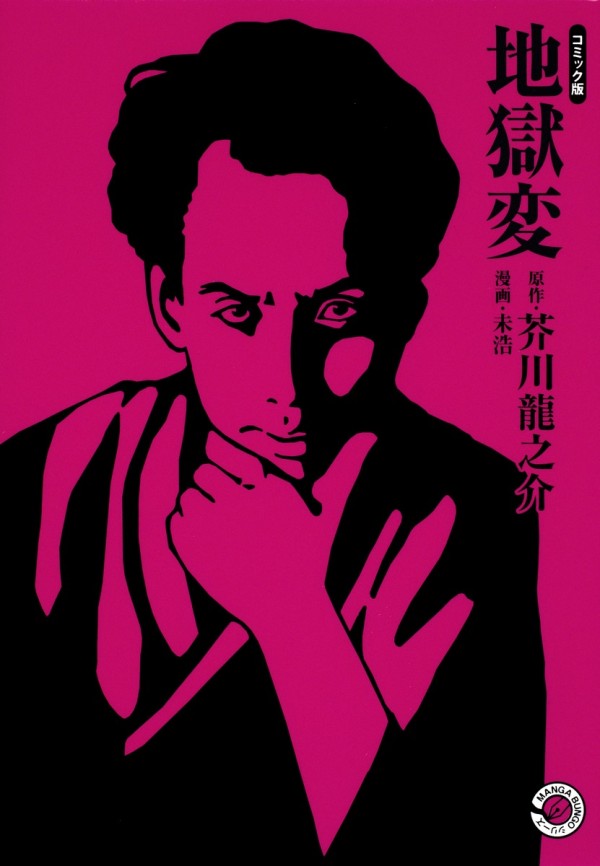
In Heian-era Kyoto, the artist Yoshihide is widely considered the greatest painter in the land, but he is also rude, avaricious, and utterly consumed by his craft. His single soft spot is his beautiful daughter Yuzuki, who serves as a lady-in-waiting in the household of the powerful Lord of Horikawa. The lord has taken an unsettling interest in Yuzuki, and rumors spread that he may be forcing his attention on her. Yoshihide repeatedly begs for her release, but Horikawa refuses, deepening the tension between artist and patron.
When Horikawa commissions Yoshihide to create a monumental folding screen depicting the torments of Buddhist hell, Yoshihide’s obsession with realism drives him to shocking extremes. He spends hours sketching corpses in charnel houses and tortures his own apprentices to capture authentic expressions of agony. At one point he speaks in a demonic voice, suggesting a supernatural corruption. Yet he cannot finish the screen without witnessing a woman being burned alive in a carriage.
Yoshihide asks Horikawa to arrange such a burning. Horikawa agrees—but in a cruel twist, he orders that the victim be Yuzuki, chained inside the carriage. As the flames consume her, her pet monkey leaps in to die with her. Yoshihide watches with a strange, ecstatic expression, finally able to paint the horror he needed. He completes the screen, a masterpiece of grotesque beauty, then hangs himself the same night.
The story is framed by a servant narrator who insists that Horikawa’s cruelty was a punishment for Yoshihide’s twisted artistry, not an act of spite over Yuzuki’s rejection—though the evidence suggests otherwise. The narrative explores the devastating cost of artistic perfection, the corrupting influence of absolute power, and the blurred line between creation and destruction. The manga adaptation by Mihiro follows the original short story closely, using clean, expressive art to contrast the innocence of Yuzuki with the moral decay of both Yoshihide and his lord. The tale ends in silence, with the screen remaining as a permanent, terrible monument to the lives it cost.
When Horikawa commissions Yoshihide to create a monumental folding screen depicting the torments of Buddhist hell, Yoshihide’s obsession with realism drives him to shocking extremes. He spends hours sketching corpses in charnel houses and tortures his own apprentices to capture authentic expressions of agony. At one point he speaks in a demonic voice, suggesting a supernatural corruption. Yet he cannot finish the screen without witnessing a woman being burned alive in a carriage.
Yoshihide asks Horikawa to arrange such a burning. Horikawa agrees—but in a cruel twist, he orders that the victim be Yuzuki, chained inside the carriage. As the flames consume her, her pet monkey leaps in to die with her. Yoshihide watches with a strange, ecstatic expression, finally able to paint the horror he needed. He completes the screen, a masterpiece of grotesque beauty, then hangs himself the same night.
The story is framed by a servant narrator who insists that Horikawa’s cruelty was a punishment for Yoshihide’s twisted artistry, not an act of spite over Yuzuki’s rejection—though the evidence suggests otherwise. The narrative explores the devastating cost of artistic perfection, the corrupting influence of absolute power, and the blurred line between creation and destruction. The manga adaptation by Mihiro follows the original short story closely, using clean, expressive art to contrast the innocence of Yuzuki with the moral decay of both Yoshihide and his lord. The tale ends in silence, with the screen remaining as a permanent, terrible monument to the lives it cost.
Comment(s)
Staff
- Original story
- ArtMihiro
Recommendations
Empfehlungen auf Basis gemeinsamer Kategorien.