Manga
Description
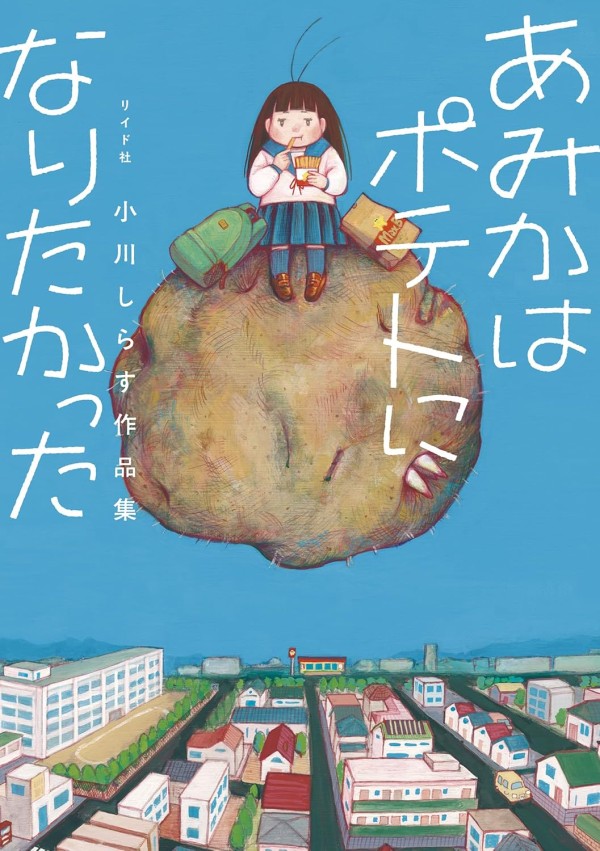
High school student Honda Amika eats two small orders of french fries for dinner every night, alone at her desk while watching videos on her phone. She barely speaks in class and cannot remember when she lost the ability to talk openly. Her home life has crumbled: her father sits in the living room still wearing his suit jacket, chewing on pastry with the television blaring; her brother slurps cup noodles on the stairs. The only connection to her father is a thousand-yen bill left on her desk. The meals that once meant family togetherness have become both a cherished memory and a source of grief that nobody in the household can face. Amika does not even particularly like the fries she eats every day, but the act of eating them has become a thread she clings to in a world that feels empty.
This is the core of the title story, which anchors a collection of four works by Shirasu Ogawa that explore the hunger of adolescence, not only for food but for connection and understanding. In Kimi no E wo Miteita, a grade schooler named Yukinari who is skilled at drawing navigates his own sense of isolation. Grin Melon Green and Kamase! Kamabokousenjuu each follow other young protagonists who have drifted away from their classrooms and families, grappling with loneliness and longing. Across all four stories, the characters reach small, salty-warm encounters with others that offer fleeting but meaningful moments of human contact. The collection captures the bitter and urgent days of teenagers who feel overlooked, drawn with dense, meticulous linework and a gaze that refuses to look away from anyone.
This is the core of the title story, which anchors a collection of four works by Shirasu Ogawa that explore the hunger of adolescence, not only for food but for connection and understanding. In Kimi no E wo Miteita, a grade schooler named Yukinari who is skilled at drawing navigates his own sense of isolation. Grin Melon Green and Kamase! Kamabokousenjuu each follow other young protagonists who have drifted away from their classrooms and families, grappling with loneliness and longing. Across all four stories, the characters reach small, salty-warm encounters with others that offer fleeting but meaningful moments of human contact. The collection captures the bitter and urgent days of teenagers who feel overlooked, drawn with dense, meticulous linework and a gaze that refuses to look away from anyone.
Comment(s)
Staff
- Story & ArtShirasu Ogawa
Recommendations
Empfehlungen auf Basis gemeinsamer Kategorien.