Manga
Description
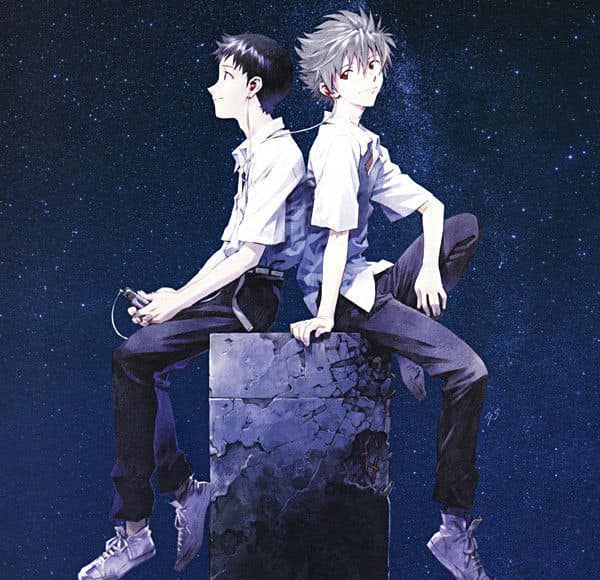
"Neon Genesis Evangelion" is a science fiction manga series set in a post-apocalyptic world where humanity faces existential threats from mysterious beings known as Angels. The story takes place in 2015, 15 years after a global cataclysm called the Second Impact, which devastated Earth’s environment and reduced its population. The narrative centers around Shinji Ikari, a 14-year-old boy summoned by his estranged father, Gendo Ikari, to the fortified city of Tokyo-3. Gendo, the commander of the organization NERV, pressures Shinji to pilot a giant biomechanical mecha called an Evangelion (EVA) to combat the Angels. Shinji reluctantly agrees, despite his insecurities and fear of conflict.
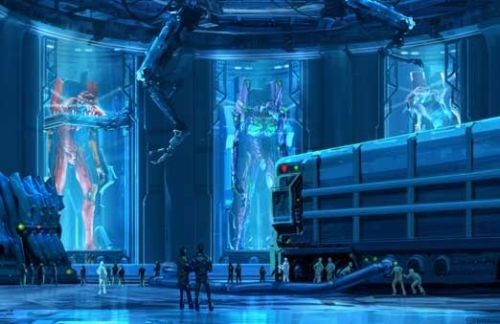
The Evangelions are humanoid machines designed to protect humanity, but they are not ordinary robots. They are bioengineered entities with organic components, requiring a deep synchronization between the pilot and the machine. Shinji’s EVA, Unit-01, is one of several units developed by NERV, a secretive organization tasked with defending humanity from the Angels. As the story progresses, Shinji is joined by other pilots, including Rei Ayanami, a quiet and enigmatic girl who pilots Unit-00, and Asuka Langley Soryu, a fiery and competitive pilot of Unit-02. Each character carries personal struggles and traumas, which are gradually revealed as the narrative unfolds.
The Angels, seemingly extraterrestrial entities, attack Tokyo-3 with increasing frequency and complexity. Each Angel possesses unique abilities and forms, challenging the EVA pilots and NERV’s strategies. The battles against the Angels are intense and often psychologically taxing for the pilots, as the EVAs require a deep emotional and mental connection to operate effectively. The series delves into the psychological toll of piloting the EVAs, exploring themes of identity, isolation, and the human condition.
As the story progresses, the true nature of the Angels, the EVAs, and NERV’s objectives come into question. Gendo Ikari’s motives are revealed to be tied to a secretive plan called the Human Instrumentality Project, which aims to merge all human consciousness into a single entity, eliminating individuality and suffering. This plan is opposed by SEELE, a shadowy committee that seeks to control the project for its own ends. The conflict between NERV and SEELE, as well as the personal struggles of the characters, drives the narrative toward a climactic and ambiguous conclusion.
The manga explores the relationships between the characters, particularly Shinji’s strained connection with his father and his evolving bonds with Rei and Asuka. Rei, who is revealed to be a clone with ties to Gendo’s experiments, struggles with her sense of self and purpose. Asuka, despite her outward confidence, grapples with her own insecurities and the pressure to prove herself. The series also examines the broader implications of humanity’s survival, the ethics of scientific experimentation, and the consequences of human ambition.
"Neon Genesis Evangelion" combines intense mecha battles with deep psychological and philosophical themes, creating a complex and thought-provoking narrative. The story’s exploration of human emotions, relationships, and existential questions has made it a landmark work in the science fiction genre.
The Evangelions are humanoid machines designed to protect humanity, but they are not ordinary robots. They are bioengineered entities with organic components, requiring a deep synchronization between the pilot and the machine. Shinji’s EVA, Unit-01, is one of several units developed by NERV, a secretive organization tasked with defending humanity from the Angels. As the story progresses, Shinji is joined by other pilots, including Rei Ayanami, a quiet and enigmatic girl who pilots Unit-00, and Asuka Langley Soryu, a fiery and competitive pilot of Unit-02. Each character carries personal struggles and traumas, which are gradually revealed as the narrative unfolds.
The Angels, seemingly extraterrestrial entities, attack Tokyo-3 with increasing frequency and complexity. Each Angel possesses unique abilities and forms, challenging the EVA pilots and NERV’s strategies. The battles against the Angels are intense and often psychologically taxing for the pilots, as the EVAs require a deep emotional and mental connection to operate effectively. The series delves into the psychological toll of piloting the EVAs, exploring themes of identity, isolation, and the human condition.
As the story progresses, the true nature of the Angels, the EVAs, and NERV’s objectives come into question. Gendo Ikari’s motives are revealed to be tied to a secretive plan called the Human Instrumentality Project, which aims to merge all human consciousness into a single entity, eliminating individuality and suffering. This plan is opposed by SEELE, a shadowy committee that seeks to control the project for its own ends. The conflict between NERV and SEELE, as well as the personal struggles of the characters, drives the narrative toward a climactic and ambiguous conclusion.
The manga explores the relationships between the characters, particularly Shinji’s strained connection with his father and his evolving bonds with Rei and Asuka. Rei, who is revealed to be a clone with ties to Gendo’s experiments, struggles with her sense of self and purpose. Asuka, despite her outward confidence, grapples with her own insecurities and the pressure to prove herself. The series also examines the broader implications of humanity’s survival, the ethics of scientific experimentation, and the consequences of human ambition.
"Neon Genesis Evangelion" combines intense mecha battles with deep psychological and philosophical themes, creating a complex and thought-provoking narrative. The story’s exploration of human emotions, relationships, and existential questions has made it a landmark work in the science fiction genre.
Comment(s)
Company
- Carlsen Comics · 1
Relations
Anime overview


![Evangelion: 3.0 [-46h]](https://cdn.kurenai.com/infos/anime/5804/big.jpg)