Manga
Description
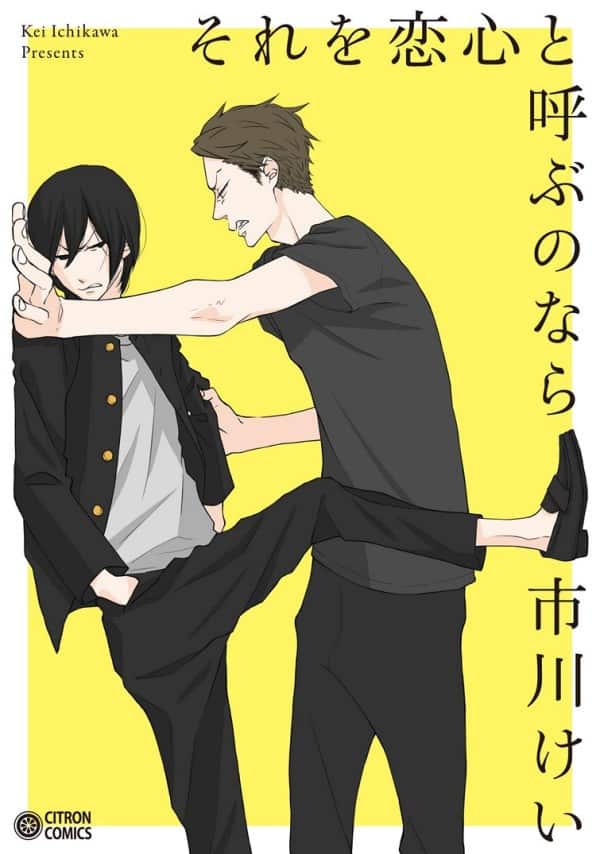
"Sore o Koigokoro to Yobunonara" is a manga series that explores themes of love, identity, and self-discovery through the lens of its central characters. The narrative revolves around two childhood friends, Haruka and Yuu, who reunite after years of separation. Haruka, a reserved and introspective individual, harbors unresolved feelings for Yuu, who is outgoing and charismatic but struggles with his own emotional vulnerabilities. Their reconnection sparks a journey of introspection and emotional growth as they navigate the complexities of their relationship.
The story delves into the nuances of their bond, highlighting the tension between their deep-seated affection for one another and the societal expectations that shape their lives. Haruka’s quiet determination to understand and express his feelings contrasts with Yuu’s tendency to deflect emotional intimacy, creating a dynamic interplay of vulnerability and restraint. As the narrative progresses, both characters confront their fears and insecurities, gradually moving toward a deeper understanding of themselves and each other.
Supporting characters, such as Haruka’s supportive friend Aoi and Yuu’s enigmatic older brother, add layers to the story, providing insight into the protagonists’ lives and influencing their decisions. The manga balances moments of introspection with lighthearted interactions, creating a narrative that feels both emotionally resonant and grounded in everyday experiences.
Themes of unrequited love, self-acceptance, and the passage of time are woven throughout the story, with the title itself—translated as "If You Call That Love"—serving as a poignant reflection of the characters’ evolving perceptions of their emotions. The pacing allows for gradual character development, with key moments of revelation and growth that feel earned and authentic. The series ultimately portrays love as a multifaceted and evolving experience, shaped by individual choices and the courage to confront one’s true feelings.
The story delves into the nuances of their bond, highlighting the tension between their deep-seated affection for one another and the societal expectations that shape their lives. Haruka’s quiet determination to understand and express his feelings contrasts with Yuu’s tendency to deflect emotional intimacy, creating a dynamic interplay of vulnerability and restraint. As the narrative progresses, both characters confront their fears and insecurities, gradually moving toward a deeper understanding of themselves and each other.
Supporting characters, such as Haruka’s supportive friend Aoi and Yuu’s enigmatic older brother, add layers to the story, providing insight into the protagonists’ lives and influencing their decisions. The manga balances moments of introspection with lighthearted interactions, creating a narrative that feels both emotionally resonant and grounded in everyday experiences.
Themes of unrequited love, self-acceptance, and the passage of time are woven throughout the story, with the title itself—translated as "If You Call That Love"—serving as a poignant reflection of the characters’ evolving perceptions of their emotions. The pacing allows for gradual character development, with key moments of revelation and growth that feel earned and authentic. The series ultimately portrays love as a multifaceted and evolving experience, shaped by individual choices and the courage to confront one’s true feelings.
Comment(s)
Staff
- Story & ArtKei Ichikawa
Company
- Egmont Manga & Anime · 1
Recommendations
Empfehlungen auf Basis gemeinsamer Kategorien.