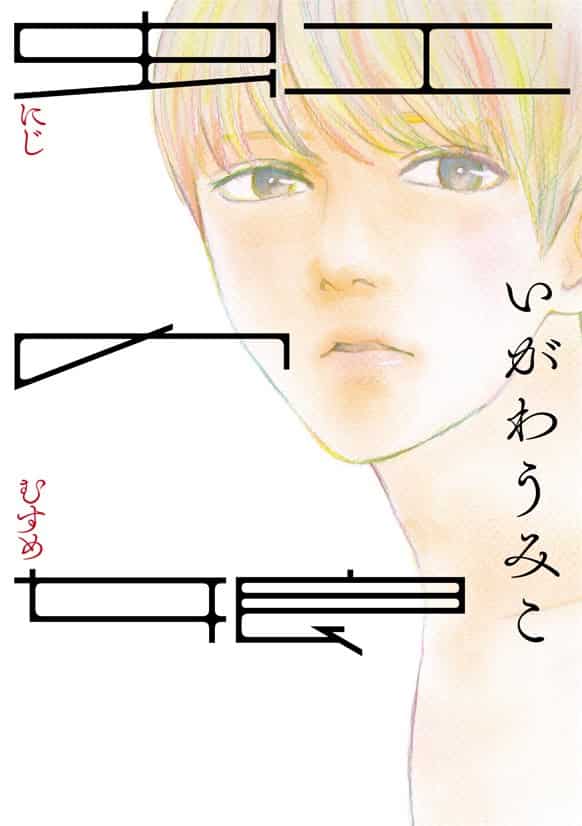
Manga
Description
"Niji no Musume" is a manga series that revolves around the life of Niji, a young girl who grows up in a rural village in Japan during the early 20th century. The story begins with Niji as a child, living with her family in a small, close-knit community. Her father is a fisherman, and her mother works tirelessly to maintain their household. Niji’s life is marked by simplicity and hardship, as her family struggles with poverty and the challenges of rural life. Despite these difficulties, Niji is portrayed as a resilient and optimistic character, deeply connected to her family and the natural world around her.
As Niji grows older, the narrative shifts to explore her coming-of-age journey. She develops a strong sense of independence and a desire to break free from the constraints of her village. This is further complicated by her relationships with those around her, including her childhood friend, a boy named Shota, who harbors unspoken feelings for her. The story delves into themes of love, duty, and self-discovery as Niji navigates the complexities of her emotions and societal expectations.
The plot takes a significant turn when Niji’s family faces a series of tragedies, including the loss of her father at sea. These events force Niji to take on greater responsibilities, further shaping her character and resolve. Her journey is not just one of personal growth but also of adapting to the changing world around her, as the village begins to modernize and traditional ways of life are challenged.
Throughout the series, Niji’s interactions with other villagers, including her mentor, an elderly woman who teaches her about traditional crafts, and a traveling merchant who introduces her to new ideas, play a crucial role in her development. These relationships highlight the tension between tradition and progress, a recurring theme in the story.
The manga also explores the broader historical context of the time, including the impact of World War II on rural Japan. Niji’s experiences during this period add depth to her character, as she witnesses the effects of war on her community and grapples with the uncertainty of the future. The narrative balances personal struggles with larger societal changes, creating a rich and layered portrayal of Niji’s life.
In its later chapters, the story focuses on Niji’s adulthood, her marriage, and her efforts to preserve her family’s legacy while embracing the opportunities of a rapidly changing world. The manga concludes with a reflective tone, emphasizing Niji’s enduring strength and the enduring connections she has forged throughout her life. The series is a poignant exploration of resilience, identity, and the passage of time, set against the backdrop of a transforming Japan.
As Niji grows older, the narrative shifts to explore her coming-of-age journey. She develops a strong sense of independence and a desire to break free from the constraints of her village. This is further complicated by her relationships with those around her, including her childhood friend, a boy named Shota, who harbors unspoken feelings for her. The story delves into themes of love, duty, and self-discovery as Niji navigates the complexities of her emotions and societal expectations.
The plot takes a significant turn when Niji’s family faces a series of tragedies, including the loss of her father at sea. These events force Niji to take on greater responsibilities, further shaping her character and resolve. Her journey is not just one of personal growth but also of adapting to the changing world around her, as the village begins to modernize and traditional ways of life are challenged.
Throughout the series, Niji’s interactions with other villagers, including her mentor, an elderly woman who teaches her about traditional crafts, and a traveling merchant who introduces her to new ideas, play a crucial role in her development. These relationships highlight the tension between tradition and progress, a recurring theme in the story.
The manga also explores the broader historical context of the time, including the impact of World War II on rural Japan. Niji’s experiences during this period add depth to her character, as she witnesses the effects of war on her community and grapples with the uncertainty of the future. The narrative balances personal struggles with larger societal changes, creating a rich and layered portrayal of Niji’s life.
In its later chapters, the story focuses on Niji’s adulthood, her marriage, and her efforts to preserve her family’s legacy while embracing the opportunities of a rapidly changing world. The manga concludes with a reflective tone, emphasizing Niji’s enduring strength and the enduring connections she has forged throughout her life. The series is a poignant exploration of resilience, identity, and the passage of time, set against the backdrop of a transforming Japan.
Comment(s)
Staff
- Story & ArtUmiko Igawa
Recommendations
Empfehlungen auf Basis gemeinsamer Kategorien.