Manga
Description
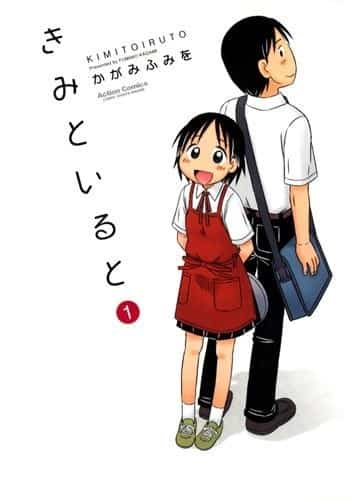
"When I'm With You" is a manga series that explores themes of friendship, love, and personal growth through the lives of its central characters. The narrative centers on two high school students, Haruto and Aoi, whose lives become intertwined in unexpected ways. Haruto is a reserved and introverted individual, often struggling to express his emotions and connect with others. Aoi, on the other hand, is outgoing and cheerful, with a natural ability to bring people together. Despite their contrasting personalities, the two form a deep bond after a chance encounter.
The story begins with Haruto and Aoi being assigned as partners for a school project. Initially, their interactions are awkward, as Haruto’s reluctance to open up creates tension. However, Aoi’s persistent kindness and patience gradually break down his barriers. As they spend more time together, Haruto begins to confront his insecurities and past traumas, while Aoi learns to navigate her own vulnerabilities beneath her cheerful exterior. Their relationship evolves from tentative friendship to a profound emotional connection, marked by moments of mutual support and understanding.
Secondary characters play significant roles in shaping the narrative. Haruto’s childhood friend, Riku, serves as a foil to Aoi, representing a different kind of relationship rooted in shared history. Riku’s presence highlights Haruto’s growth as he learns to balance his past and present connections. Similarly, Aoi’s best friend, Yuna, provides insight into Aoi’s character, revealing her struggles with self-doubt and the pressure to maintain her upbeat persona. These relationships add depth to the story, emphasizing the complexities of human connections.
The plot unfolds through a series of everyday events and challenges, such as school festivals, exams, and personal conflicts, which serve as catalysts for character development. The manga delves into themes of self-acceptance, the importance of communication, and the transformative power of relationships. While the tone is often lighthearted, it does not shy away from addressing heavier topics, such as loneliness, anxiety, and the impact of past experiences on present behavior.
As the story progresses, Haruto and Aoi’s bond deepens, leading to moments of romantic tension. However, the focus remains on their emotional journey rather than overt romantic progression. The narrative emphasizes the significance of their connection in helping each other grow and face their fears. The manga concludes with a sense of resolution, as both characters emerge stronger and more self-aware, having learned to embrace their imperfections and cherish their relationship.
The story begins with Haruto and Aoi being assigned as partners for a school project. Initially, their interactions are awkward, as Haruto’s reluctance to open up creates tension. However, Aoi’s persistent kindness and patience gradually break down his barriers. As they spend more time together, Haruto begins to confront his insecurities and past traumas, while Aoi learns to navigate her own vulnerabilities beneath her cheerful exterior. Their relationship evolves from tentative friendship to a profound emotional connection, marked by moments of mutual support and understanding.
Secondary characters play significant roles in shaping the narrative. Haruto’s childhood friend, Riku, serves as a foil to Aoi, representing a different kind of relationship rooted in shared history. Riku’s presence highlights Haruto’s growth as he learns to balance his past and present connections. Similarly, Aoi’s best friend, Yuna, provides insight into Aoi’s character, revealing her struggles with self-doubt and the pressure to maintain her upbeat persona. These relationships add depth to the story, emphasizing the complexities of human connections.
The plot unfolds through a series of everyday events and challenges, such as school festivals, exams, and personal conflicts, which serve as catalysts for character development. The manga delves into themes of self-acceptance, the importance of communication, and the transformative power of relationships. While the tone is often lighthearted, it does not shy away from addressing heavier topics, such as loneliness, anxiety, and the impact of past experiences on present behavior.
As the story progresses, Haruto and Aoi’s bond deepens, leading to moments of romantic tension. However, the focus remains on their emotional journey rather than overt romantic progression. The narrative emphasizes the significance of their connection in helping each other grow and face their fears. The manga concludes with a sense of resolution, as both characters emerge stronger and more self-aware, having learned to embrace their imperfections and cherish their relationship.
Comment(s)
Staff
- Story & ArtFumiwo Kagami
Recommendations
Empfehlungen auf Basis gemeinsamer Kategorien.