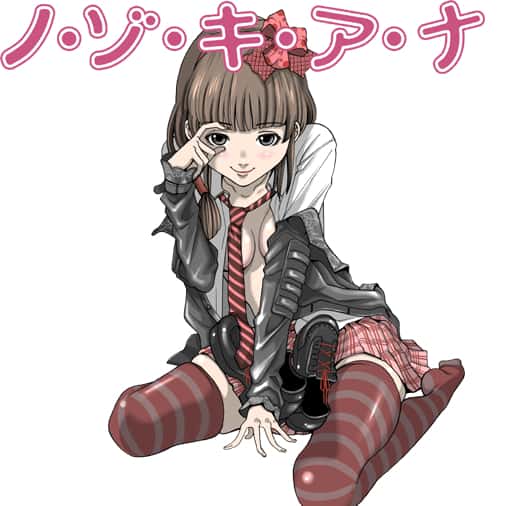
OVA
Description
"Nozoki Ana" centers around Tatsuhiko Kido, a college student who moves to Tokyo to pursue his studies and escape his past. He rents an apartment in a building with thin walls, where he discovers a small hole that allows him to see into the neighboring room. This hole becomes a point of connection with his mysterious neighbor, Emiru Ikuno, who soon realizes Tatsuhiko has been peeping. Instead of reporting him, Emiru proposes a twisted agreement: they will take turns observing each other through the hole, creating a voyeuristic dynamic that blurs the lines between privacy and intimacy.
As the story progresses, the relationship between Tatsuhiko and Emiru becomes increasingly complex. Emiru is revealed to have a troubled past, marked by trauma and emotional scars, which influences her behavior and interactions. Tatsuhiko, initially portrayed as a reserved and somewhat passive individual, finds himself drawn into Emiru's world, grappling with his own desires and moral boundaries. The narrative explores themes of trust, vulnerability, and the consequences of secrecy, as both characters navigate their evolving connection.
Supporting characters, such as Madoka Mizuno, a childhood friend of Tatsuhiko, and various acquaintances from their college lives, add layers to the story. These characters often serve as foils or catalysts for the main duo's development, highlighting their flaws and pushing them toward self-reflection. The series delves into the psychological and emotional struggles of its protagonists, examining how their pasts shape their present actions and relationships.
The plot is driven by a mix of dramatic tension and moments of introspection, as Tatsuhiko and Emiru confront their insecurities and the consequences of their choices. The voyeuristic premise serves as a metaphor for the barriers people erect to protect themselves, and how those barriers can be both broken down and reinforced through human connection. The story maintains a focus on the characters' internal conflicts, using their interactions to explore themes of identity, consent, and the complexities of intimacy.
As the story progresses, the relationship between Tatsuhiko and Emiru becomes increasingly complex. Emiru is revealed to have a troubled past, marked by trauma and emotional scars, which influences her behavior and interactions. Tatsuhiko, initially portrayed as a reserved and somewhat passive individual, finds himself drawn into Emiru's world, grappling with his own desires and moral boundaries. The narrative explores themes of trust, vulnerability, and the consequences of secrecy, as both characters navigate their evolving connection.
Supporting characters, such as Madoka Mizuno, a childhood friend of Tatsuhiko, and various acquaintances from their college lives, add layers to the story. These characters often serve as foils or catalysts for the main duo's development, highlighting their flaws and pushing them toward self-reflection. The series delves into the psychological and emotional struggles of its protagonists, examining how their pasts shape their present actions and relationships.
The plot is driven by a mix of dramatic tension and moments of introspection, as Tatsuhiko and Emiru confront their insecurities and the consequences of their choices. The voyeuristic premise serves as a metaphor for the barriers people erect to protect themselves, and how those barriers can be both broken down and reinforced through human connection. The story maintains a focus on the characters' internal conflicts, using their interactions to explore themes of identity, consent, and the complexities of intimacy.
Cast
- Tatsuhiko Kido
- Yuri KotobikiMayu Hino
- Sara Kirigamine
- Yoneyama
- Shouko HonnamiSilvia Mißbach
Comment(s)
Staff
- Director
- Original creator
- ScriptMasahiro Okubo
- Character DesignMasaaki Sakurai
Production
- ProductionTOHO
- Animation ProductionStudio Fantasia
Relations
Manga overview