

TV-Series
Description
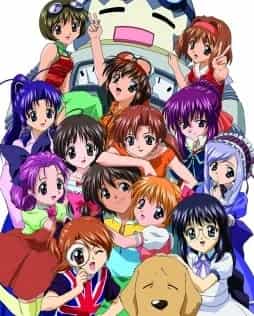
"Sister Princess: Re Pure" is a 12-episode anime series that serves as a sequel to the original "Sister Princess." The story revolves around Wataru Minakami, a young man who finds himself living on a secluded island with twelve sisters, each of whom considers him their beloved older brother. The narrative explores the daily lives and interactions between Wataru and his sisters, emphasizing their unique personalities and the bonds they share.
The series is structured as a series of vignettes, with each episode focusing on one or more of the sisters. These vignettes highlight their individual quirks, hobbies, and relationships with Wataru. The sisters include Aria, a cheerful and energetic girl; Karen, a reserved and studious type; Mamoru, who is nurturing and motherly; and nine others, each with distinct traits that contribute to the dynamic of the household. The episodic nature of the series allows for a deeper exploration of each sister's character, often blending lighthearted moments with emotional undertones.
Wataru, the central male figure, is portrayed as kind-hearted and somewhat passive, often finding himself in situations where he must navigate the affections and antics of his sisters. His role is primarily that of a supportive older brother, providing guidance and reassurance when needed. The series does not follow a traditional overarching plot but instead focuses on slice-of-life scenarios that emphasize familial love and the simple joys of everyday life.
The setting, a picturesque island, serves as a backdrop for the sisters' activities, ranging from school events to seasonal celebrations. The island's serene environment complements the gentle tone of the series, creating a sense of warmth and tranquility. While the narrative lacks significant conflict or dramatic tension, it thrives on its ability to depict the sisters' growth and their evolving relationships with Wataru.
"Sister Princess: Re Pure" is characterized by its emphasis on character-driven storytelling and its exploration of themes such as family, belonging, and unconditional love. The series appeals to audiences seeking a heartwarming and lighthearted viewing experience, offering a glimpse into the lives of its endearing cast of characters.
The series is structured as a series of vignettes, with each episode focusing on one or more of the sisters. These vignettes highlight their individual quirks, hobbies, and relationships with Wataru. The sisters include Aria, a cheerful and energetic girl; Karen, a reserved and studious type; Mamoru, who is nurturing and motherly; and nine others, each with distinct traits that contribute to the dynamic of the household. The episodic nature of the series allows for a deeper exploration of each sister's character, often blending lighthearted moments with emotional undertones.
Wataru, the central male figure, is portrayed as kind-hearted and somewhat passive, often finding himself in situations where he must navigate the affections and antics of his sisters. His role is primarily that of a supportive older brother, providing guidance and reassurance when needed. The series does not follow a traditional overarching plot but instead focuses on slice-of-life scenarios that emphasize familial love and the simple joys of everyday life.
The setting, a picturesque island, serves as a backdrop for the sisters' activities, ranging from school events to seasonal celebrations. The island's serene environment complements the gentle tone of the series, creating a sense of warmth and tranquility. While the narrative lacks significant conflict or dramatic tension, it thrives on its ability to depict the sisters' growth and their evolving relationships with Wataru.
"Sister Princess: Re Pure" is characterized by its emphasis on character-driven storytelling and its exploration of themes such as family, belonging, and unconditional love. The series appeals to audiences seeking a heartwarming and lighthearted viewing experience, offering a glimpse into the lives of its endearing cast of characters.
Episodes
Staffel 1
1Heart Days
2Secret of the Garden!
3Maron's Temptation
4Hehe... It's Sleepover Day.
5A Star's Endless Wish
6Anii and My Mug Cup
7The Magic Word
8It`s Visiting Day!
9Are You Close to Me... Aniki?
13Pure Christmas
Comment(s)
Staff
- DirectorNagisa MiyazakiTsubame Shimodaya
- ScriptMasaharu AmiyaKouji AyanoTsubame ShimodayaShōichi SatōKōichi Taki
- Episode DirectorNagisa MiyazakiTakeshi YamaguchiShinichi YoshinoTadashi HiramatsuShinobu TagashiraFumitoshi OizakiNoriko OtakeToshinori NaritaYuka ShibataYayoi MinazukiTakashi YamanaNoboru JitsuharaTsubame ShimodayaMatsuyuki AzumachiJōhei Matsuura
- MusicShinkichi MitsumuneRitsuko Okazaki
- Character DesignYasunari Nitta
- ArtChikako ShibataHideto NakaharaShigeru MorimotoHiroshi SakaiHaruaki AmanoUmeyoshi Furikawa
- Sound Director
- ProducerTomoko KawasakiAtsushi MoriyamaKazuya WatanabeKiyoshi Takano
- Series CompositionMasaharu Amiya
- StoryboardNagisa MiyazakiKazuya KomaiMasashi KojimaShinichi YoshinoTadashi HiramatsuShinobu TagashiraFumitoshi OizakiNoriko OtakeToshinori NaritaYuka ShibataYayoi MinazukiNoboru JitsuharaToshiyuki ShimazuHon ShimazuTsubame ShimodayaKouta YabureChie HodokiMinoru Ōhara
- Unit DirectorTsubame Shimodaya
- Original creator
- Art DirectorAyumi Shimazu
- Animation DirectorTakeshi ImaiIchizō KobayashiMasashi KojimaShinichi YoshinoTadashi HiramatsuTateru NamikazeShinobu TagashiraFumitoshi OizakiSawako YamamotoNoriko OtakeYasunari NittaHiroyuki KoizumiYuka ShibataKenji HattoriKazuya MiyoshiKazuo NoguchiYūichirō MiyakeHaruo ŌgawaraYūji Yanase
- Director of PhotographyYukiteru Ohira
Production
- ProductionKing RecordsYomiko Advertising, Inc.MediaWorksPriPure Production Committee
- Animation ProductionZEXCS
Music
Ending