
TV-Series
Description
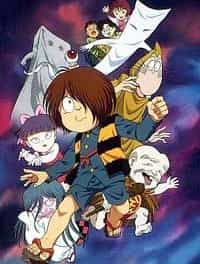
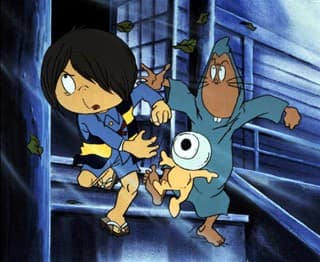
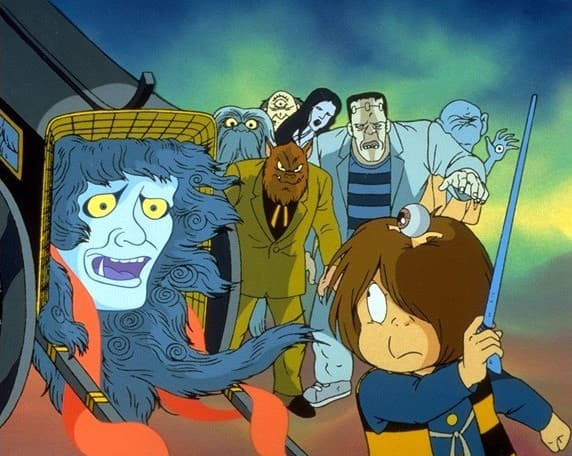
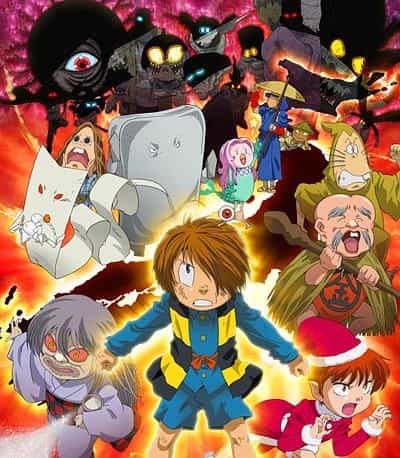
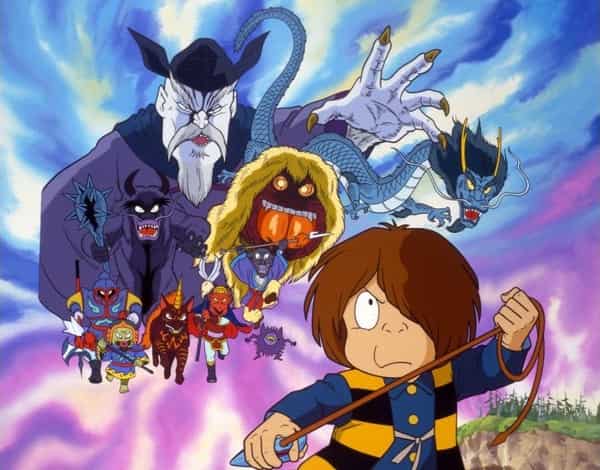
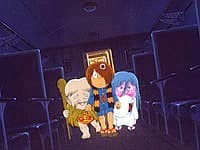
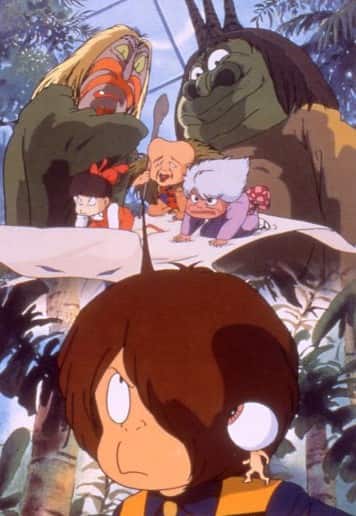
"Gegege no Kitarō (1996)" is the fourth anime adaptation of Shigeru Mizuki's classic manga, continuing the legacy of the titular character, Kitarō, a yōkai boy who bridges the human and supernatural worlds. The series is set in a world where yōkai, traditional Japanese spirits and monsters, coexist with humans, often influencing their lives in mysterious and sometimes dangerous ways. Kitarō, born to yōkai parents but raised by his father's sentient eyeball, Medama-Oyaji, serves as a mediator between the two realms, often protecting humans from malevolent yōkai while also helping misunderstood spirits find peace.
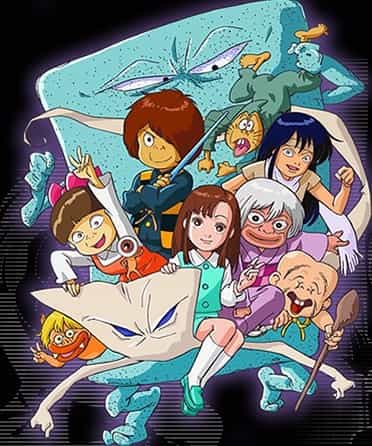
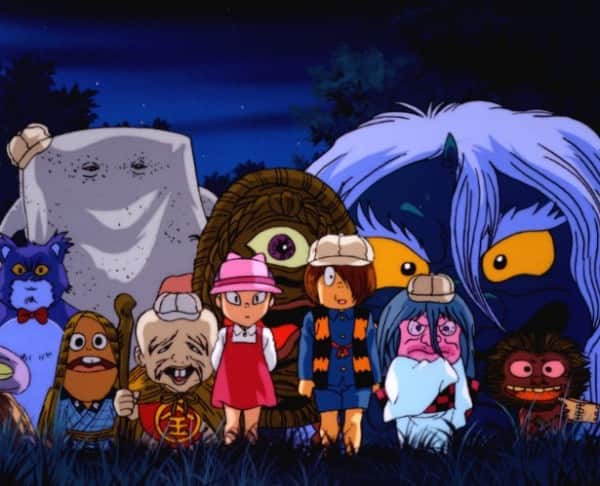
The narrative unfolds episodically, with each episode typically featuring a standalone story involving a specific yōkai or supernatural phenomenon. Kitarō, accompanied by his small but loyal group of yōkai companions—including the mischievous Rat Man (Nezumi-Otoko), the gentle sand spirit Sunakake-Babaa, and the silent but powerful Ittan-Momen—travels across Japan to confront various threats. These threats range from vengeful spirits seeking retribution to ancient yōkai awakening from centuries-long slumbers. The series balances lighthearted moments with darker, more serious themes, reflecting the duality of yōkai as both playful and fearsome entities.
Central to the series is Kitarō's unwavering sense of justice and compassion. Despite being a yōkai, he often sides with humans, striving to resolve conflicts without unnecessary violence. His interactions with humans, particularly children, highlight his role as a protector and guide. However, the series does not shy away from exploring the complexities of human-yōkai relationships, often depicting humans as both victims and perpetrators of harm. Some episodes delve into the consequences of human greed, ignorance, or disrespect toward nature and the supernatural, emphasizing the need for harmony between the two worlds.
The 1996 adaptation retains the core elements of Mizuki's original work while updating certain aspects to appeal to a modern audience. The animation style reflects the era's aesthetic, with vibrant colors and expressive character designs that capture the whimsical yet eerie nature of the yōkai world. The episodic structure allows for a diverse range of stories, from comedic encounters with quirky yōkai to intense battles against formidable foes. Recurring antagonists, such as the cunning Nurarihyon and the malevolent Gyūki, add continuity to the series, providing Kitarō with persistent challenges that test his resolve and abilities.
Overall, "Gegege no Kitarō (1996)" serves as a faithful and engaging adaptation of a beloved franchise, blending folklore, adventure, and moral lessons into a cohesive narrative. Its episodic format ensures accessibility for new viewers while offering depth and variety for long-time fans of the series. The enduring appeal of Kitarō's character and the rich tapestry of yōkai lore make this adaptation a significant entry in the franchise's history.
The narrative unfolds episodically, with each episode typically featuring a standalone story involving a specific yōkai or supernatural phenomenon. Kitarō, accompanied by his small but loyal group of yōkai companions—including the mischievous Rat Man (Nezumi-Otoko), the gentle sand spirit Sunakake-Babaa, and the silent but powerful Ittan-Momen—travels across Japan to confront various threats. These threats range from vengeful spirits seeking retribution to ancient yōkai awakening from centuries-long slumbers. The series balances lighthearted moments with darker, more serious themes, reflecting the duality of yōkai as both playful and fearsome entities.
Central to the series is Kitarō's unwavering sense of justice and compassion. Despite being a yōkai, he often sides with humans, striving to resolve conflicts without unnecessary violence. His interactions with humans, particularly children, highlight his role as a protector and guide. However, the series does not shy away from exploring the complexities of human-yōkai relationships, often depicting humans as both victims and perpetrators of harm. Some episodes delve into the consequences of human greed, ignorance, or disrespect toward nature and the supernatural, emphasizing the need for harmony between the two worlds.
The 1996 adaptation retains the core elements of Mizuki's original work while updating certain aspects to appeal to a modern audience. The animation style reflects the era's aesthetic, with vibrant colors and expressive character designs that capture the whimsical yet eerie nature of the yōkai world. The episodic structure allows for a diverse range of stories, from comedic encounters with quirky yōkai to intense battles against formidable foes. Recurring antagonists, such as the cunning Nurarihyon and the malevolent Gyūki, add continuity to the series, providing Kitarō with persistent challenges that test his resolve and abilities.
Overall, "Gegege no Kitarō (1996)" serves as a faithful and engaging adaptation of a beloved franchise, blending folklore, adventure, and moral lessons into a cohesive narrative. Its episodic format ensures accessibility for new viewers while offering depth and variety for long-time fans of the series. The enduring appeal of Kitarō's character and the rich tapestry of yōkai lore make this adaptation a significant entry in the franchise's history.
Cast
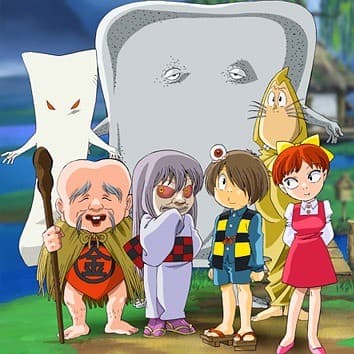
- Nurikabe
Staff
- Series Director · Daisuke Nishio
- Director · Junichi Sato
- Director · Hiroyuki Kakudou
- Script · Shunichi Yukimuro
- Screenplay · Chiaki J. Konaka
- Screenplay · Yukiyoshi Ohashi
- Screenplay · Shunichi Yukimuro
- Screenplay · Junki Takegami
- Screenplay · Ryu Tamura
- Screenplay · Natsuhiko Kyogoku
- Screenplay · Chikako Kobayashi
- Screenplay · Michiru Shimada
- Screenplay · Daisuke Yajima
- Screenplay · Hiroshi Hashimoto
- Screenplay · Shinobu Ōito
- Storyboard · Yukio Kaizawa
- Storyboard · Junki Takegami
- Storyboard · Shikichi Ohashi
- Storyboard · Ryu Tamura
- Storyboard · Daisuke Yajima
- Storyboard · Hiroshi Hashimoto
- Episode Director · Daisuke Nishio
- Episode Director · Junichi Sato
- Episode Director · Takao Yoshizawa
- Episode Director · Yukio Kaizawa
- Episode Director · Mamoru Hosoda
- Episode Director · Tomoharu Katsumata
- Episode Director · Kōnosuke Uda
- Episode Director · Takenori Kawada
- Episode Director · Hiroki Shibata
- Episode Director · Masayuki Akihi
- Episode Director · Hiroyuki Kakudou
- Episode Director · Munehisa Sakai
- Music · Kaoru Wada
- Original creator · Shigeru Mizuki
- Character Design · Shingo Araki
- Character Design · Michi Himeno
- Art Director · Ken Tokushige
- Art Director · Mataji Urata
- Art Director · Yoshiyuki Shikano
- Art Director · Masazumi Matsumiya
- Art Director · Kenji Matsumoto
- Art Director · Kazuyuki Hashimoto
- Art Director · Kazuhisa Asai
- Art Director · Fumihiro Uchikawa
- Art Director · Tsutomu Fujita
- Art Director · Iwamitsu Itō
- Art Director · Hiromitsu Shiozaki
- Art Director · Keito Watanabe
- Chief Animation Director · Shingo Araki
- Chief Animation Director · Michi Himeno
- Animation Director · Kazue Kinoshita
- Animation Director · Hitoshi Inaba
- Animation Director · Yukio Ebisawa
- Animation Director · Masahiro Naoi
- Animation Director · Setsuko Nobuzane
- Animation Director · Yoshitaka Yashima
- Animation Director · Hiroya Iijima
- Animation Director · Toshio Deguchi
- Animation Director · Akio Endo
- Art design · Mataji Urata
- Producer · Shinji Shimizu
- Producer · Seiichi Hiruta
Production
- Production · Toei Animation
- Production · Yomiko Advertising, Inc.
- Production · Fuji Television Network
Relations
Anime overview
Music
Ending
77-114
“"Iyan Nacchau Fushi" (イヤンなっちゃう節)”
Ukadan