TV-Series
Description
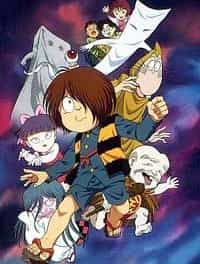
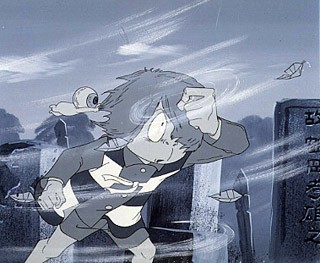
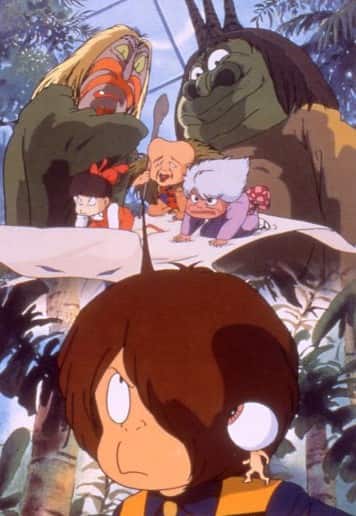
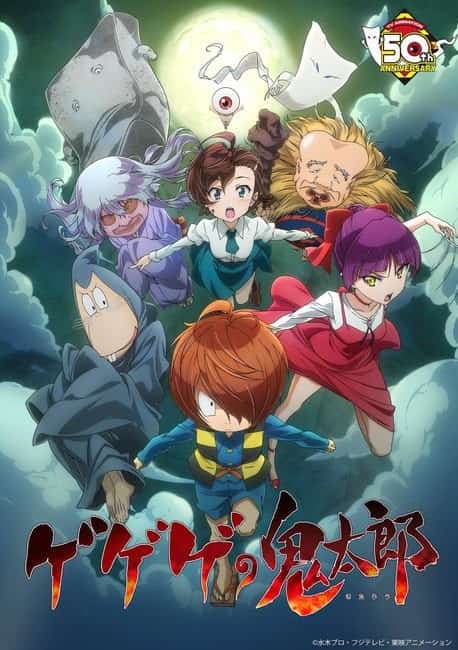
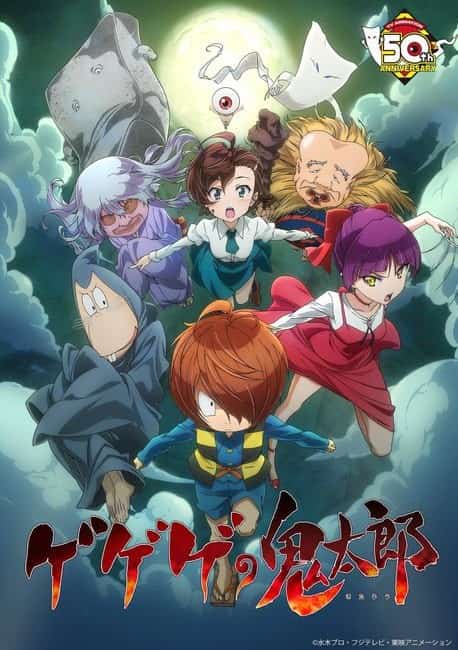
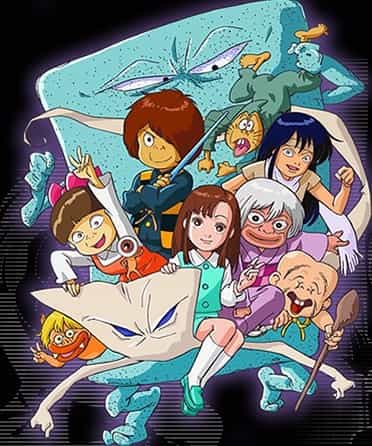
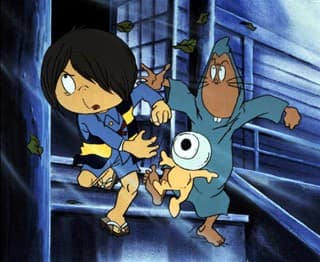
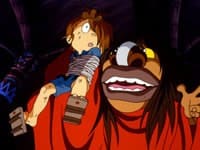
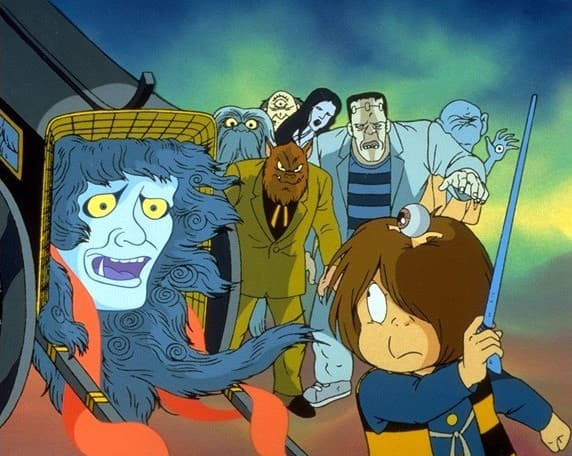
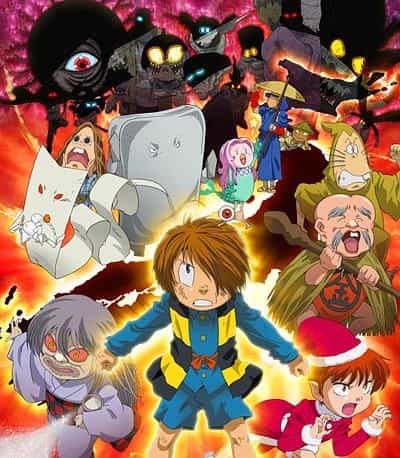
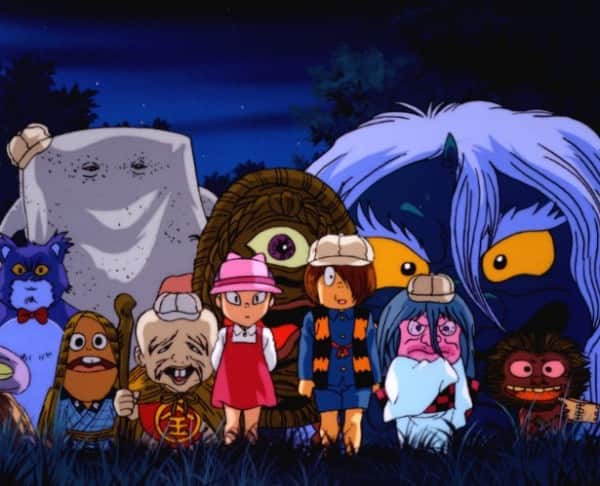
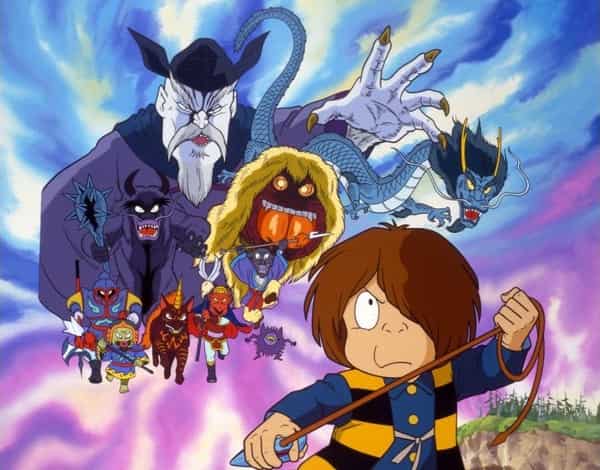
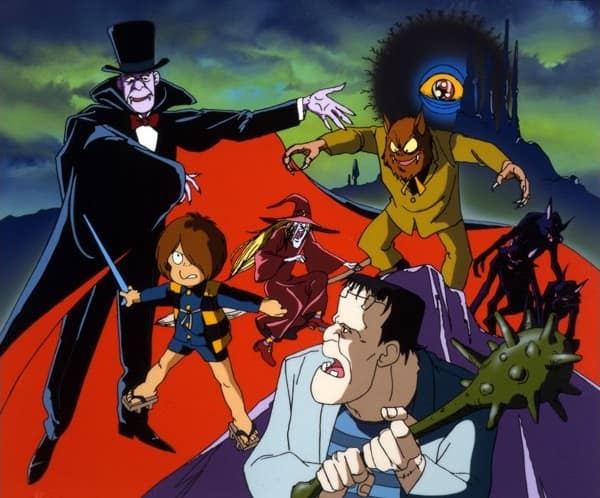
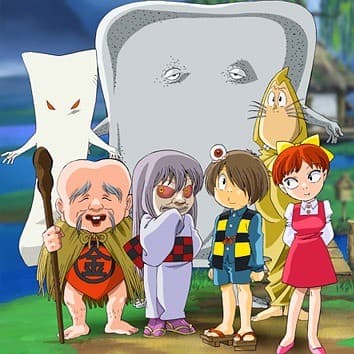
"Gegege no Kitarō" is a long-running anime series based on the manga by Shigeru Mizuki, blending folklore, supernatural elements, and moral lessons. The narrative centers on Kitarō, a yōkai boy born in a graveyard, who serves as a bridge between the human world and the spirit realm. Kitarō is the last surviving member of the Ghost Tribe, a group of benevolent yōkai dedicated to maintaining harmony between humans and supernatural beings. Accompanied by his father, Medama-Oyaji, a sentient eyeball residing in Kitarō's empty eye socket, and other yōkai allies like Nezumi-Otoko, a mischievous rat yōkai, Kitarō embarks on various adventures to protect both worlds from malevolent forces.
The series is episodic, with each episode or story arc typically involving Kitarō and his companions confronting a new threat. These threats often stem from rogue yōkai or humans who exploit supernatural powers for selfish or destructive purposes. Kitarō’s role is to mediate conflicts, often emphasizing themes of coexistence, respect for nature, and the consequences of greed or arrogance. The narrative frequently draws from Japanese folklore, incorporating traditional yōkai such as kappa, tengu, and oni, while also introducing original creatures.
Kitarō’s character is defined by his unwavering sense of justice and compassion, even toward those who oppose him. Medama-Oyaji provides wisdom and guidance, often acting as a moral compass, while Nezumi-Otoko adds comic relief and occasional moral ambiguity, frequently oscillating between ally and antagonist. Other recurring characters include Neko-Musume, a cat yōkai with a dual nature, and Sunakake-Baba, a sand-throwing yōkai who aids Kitarō in battles.
The series explores a wide range of tones, from lighthearted and humorous to dark and introspective. It often critiques societal issues, such as environmental destruction, technological overreach, and the erosion of traditional values, using yōkai as metaphors for these concerns. Despite its episodic structure, the overarching theme remains consistent: the importance of balance and mutual respect between humans and the supernatural. "Gegege no Kitarō" has endured as a cultural staple in Japan, with multiple adaptations over the decades, each reflecting the era in which it was produced while staying true to its core narrative and themes.
The series is episodic, with each episode or story arc typically involving Kitarō and his companions confronting a new threat. These threats often stem from rogue yōkai or humans who exploit supernatural powers for selfish or destructive purposes. Kitarō’s role is to mediate conflicts, often emphasizing themes of coexistence, respect for nature, and the consequences of greed or arrogance. The narrative frequently draws from Japanese folklore, incorporating traditional yōkai such as kappa, tengu, and oni, while also introducing original creatures.
Kitarō’s character is defined by his unwavering sense of justice and compassion, even toward those who oppose him. Medama-Oyaji provides wisdom and guidance, often acting as a moral compass, while Nezumi-Otoko adds comic relief and occasional moral ambiguity, frequently oscillating between ally and antagonist. Other recurring characters include Neko-Musume, a cat yōkai with a dual nature, and Sunakake-Baba, a sand-throwing yōkai who aids Kitarō in battles.
The series explores a wide range of tones, from lighthearted and humorous to dark and introspective. It often critiques societal issues, such as environmental destruction, technological overreach, and the erosion of traditional values, using yōkai as metaphors for these concerns. Despite its episodic structure, the overarching theme remains consistent: the importance of balance and mutual respect between humans and the supernatural. "Gegege no Kitarō" has endured as a cultural staple in Japan, with multiple adaptations over the decades, each reflecting the era in which it was produced while staying true to its core narrative and themes.
Episodes
Staffel 1
1The Streets where Monsters Dwell
2BI BI BI!!! The Rat Man!
3The Mysterious Melody! Yasha
4Man! Ittan Momen
5The Cursed Movie
6Big Panic! The Monster Alley
7Flame On! Uncle Eyeball
8An Old Adversary! Nurarihyon
9Spirit Train, That Netherworld Divide
10The Almighty God! The Thunder Beast
11Spiritual Comic Dialogue
12Ringtone from the Spiritual World
13Struggle! The Bodyguard
14Kitaro Dies!? Cow Demon Revives
15Work! Eyeball Oyaji
16Monsters are Game Masters?!
17Wandering Priest
18Black Eyes that Glow in the Old Castle
19Sumo Wrestling Rally in the Kappa Pond
20Voice From the Dark! Ghost Spot
21Only the Neck? Monsters' Love Story
22Fake Kitaro Appears!!
23Epicure!? Sazaeki
24Battle in the Dreams! Pillow Return
25Monsters' Sports Meet
26Monsters Idol!?
Cast
- Tsurube-Otoshi
- Yobuko
- YadoukaiJōji Nakata
- Gokan-Ō
- Chi
- Kadou
- Soutei-Ou
- Kawauso
Comment(s)
Staff
- Series DirectorYukio Kaizawa
- Screenplay
- Episode DirectorYukio KaizawaTomoharu KatsumataNobutaka NishizawaHidehiko KadotaHirotoshi RissenYoshito HataYukihiko NakaoYutaka TsuchidaMorio HatanoMakiko OrimotoAya KomakiHiroyuki KakudōToshinori Fukazawa
- Original creator
- Art DirectorKen TokushigeMitsuharu MiyamaeTomoko YoshidaEiji TakahashiTetsuhiro ShimizuMakoto ShimizuYuri TakagiYūko AzumiSeinori NishiyamaYoshiko KitamuraShōji Tokiwa
- Animation DirectorNoboru KoizumiShigetaka KiyoyamaSetsuko NobuzaneYoshitaka YashimaHideaki FurusawaToshio DeguchiKeiichi IchikawaFusayo OotaniTomoko ItōYōsuke YabumotoKumi NakajōShinobu Ōkōchi
- Series CompositionKeiichi Hasegawa
- StoryboardYukio KaizawaTomoharu KatsumataNobutaka NishizawaSatoru IriyoshiHidehiko KadotaYoshitaka YashimaHirotoshi RissenYukihiko NakaoIku IshiguroYutaka TsuchidaMorio HatanoMakiko OrimotoAya KomakiHiroyuki KakudōToshinori Fukazawa
- MusicKatsumi Horii
- Character DesignKen Ueno
- Chief Animation DirectorKen Ueno
- ProducerShinichi IkedaHiroyuki SakuradaAtsuya TakaseKōji KanedaKyōtarō Kimura
Production
- Animation ProductionToei Animation
- ProductionToei AnimationYomiko Advertising, Inc.Fuji Television Network
Relations
Anime overview