
TV-Series
Description
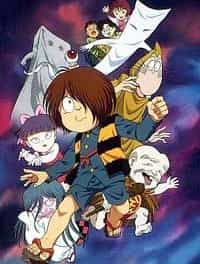
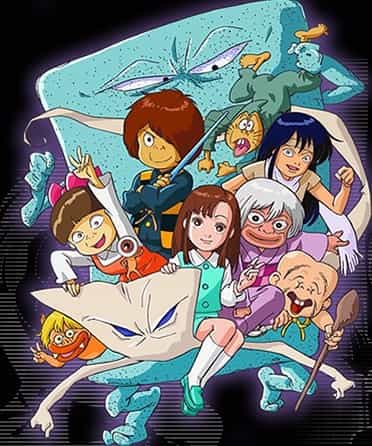
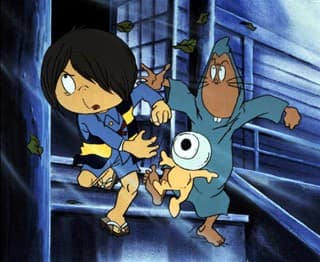
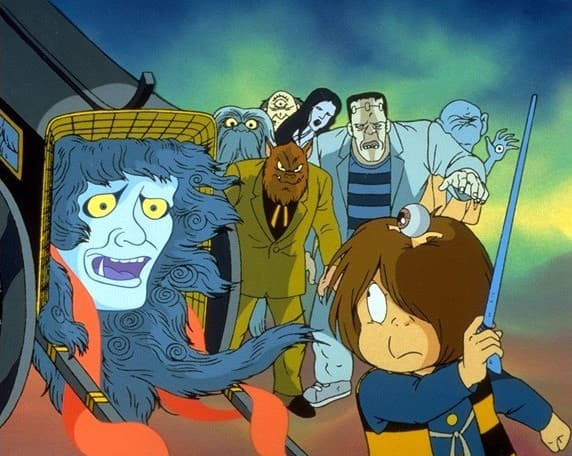
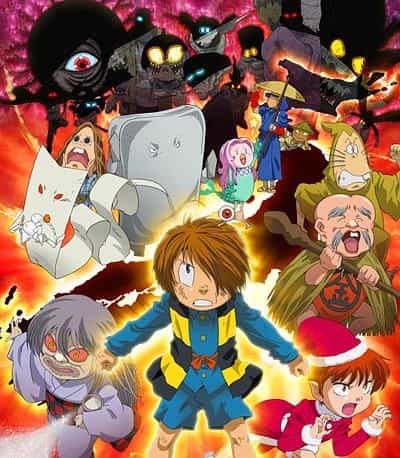
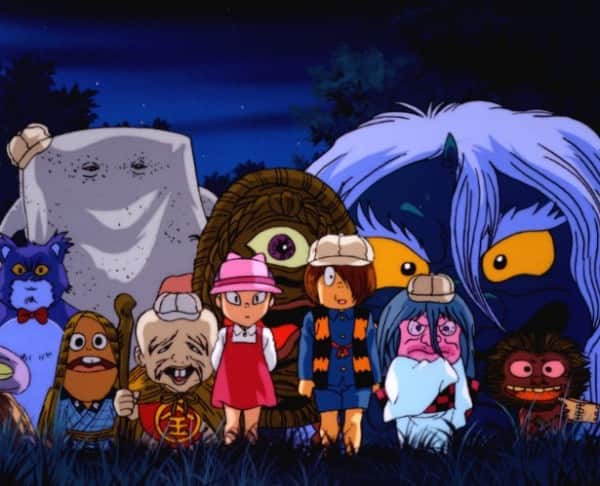
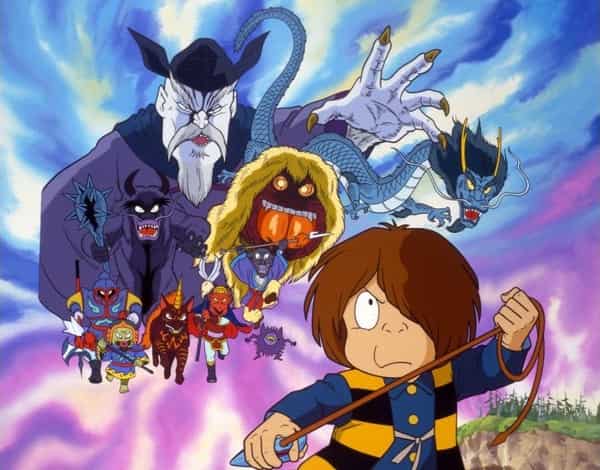
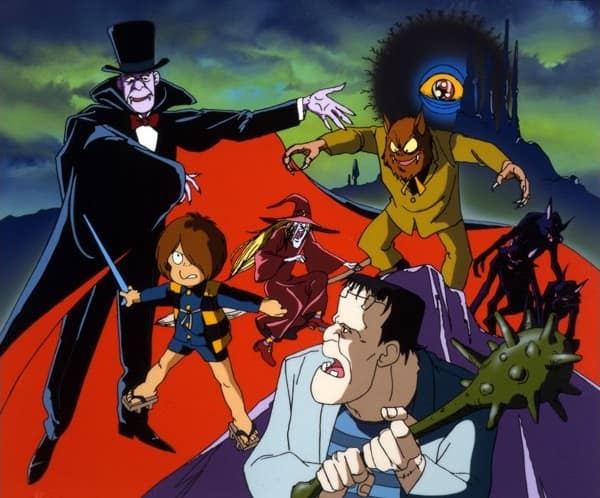
"Gegege no Kitarō (1996)" is the fourth anime adaptation of Shigeru Mizuki's classic manga, continuing the legacy of the titular character, Kitarō, a yōkai boy who bridges the human and supernatural worlds. The series is set in a world where yōkai, traditional Japanese spirits and monsters, coexist with humans, often influencing their lives in mysterious and sometimes dangerous ways. Kitarō, born to yōkai parents but raised by his father's sentient eyeball, Medama-Oyaji, serves as a mediator between the two realms, often protecting humans from malevolent yōkai while also helping misunderstood spirits find peace.
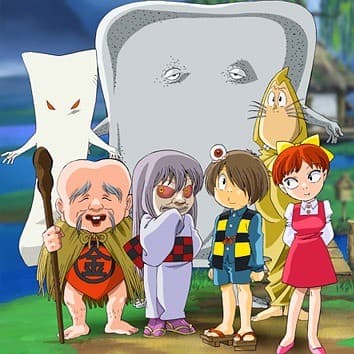
The narrative unfolds episodically, with each episode typically featuring a standalone story involving a specific yōkai or supernatural phenomenon. Kitarō, accompanied by his small but loyal group of yōkai companions—including the mischievous Rat Man (Nezumi-Otoko), the gentle sand spirit Sunakake-Babaa, and the silent but powerful Ittan-Momen—travels across Japan to confront various threats. These threats range from vengeful spirits seeking retribution to ancient yōkai awakening from centuries-long slumbers. The series balances lighthearted moments with darker, more serious themes, reflecting the duality of yōkai as both playful and fearsome entities.
Central to the series is Kitarō's unwavering sense of justice and compassion. Despite being a yōkai, he often sides with humans, striving to resolve conflicts without unnecessary violence. His interactions with humans, particularly children, highlight his role as a protector and guide. However, the series does not shy away from exploring the complexities of human-yōkai relationships, often depicting humans as both victims and perpetrators of harm. Some episodes delve into the consequences of human greed, ignorance, or disrespect toward nature and the supernatural, emphasizing the need for harmony between the two worlds.
The 1996 adaptation retains the core elements of Mizuki's original work while updating certain aspects to appeal to a modern audience. The animation style reflects the era's aesthetic, with vibrant colors and expressive character designs that capture the whimsical yet eerie nature of the yōkai world. The episodic structure allows for a diverse range of stories, from comedic encounters with quirky yōkai to intense battles against formidable foes. Recurring antagonists, such as the cunning Nurarihyon and the malevolent Gyūki, add continuity to the series, providing Kitarō with persistent challenges that test his resolve and abilities.
Overall, "Gegege no Kitarō (1996)" serves as a faithful and engaging adaptation of a beloved franchise, blending folklore, adventure, and moral lessons into a cohesive narrative. Its episodic format ensures accessibility for new viewers while offering depth and variety for long-time fans of the series. The enduring appeal of Kitarō's character and the rich tapestry of yōkai lore make this adaptation a significant entry in the franchise's history.
The narrative unfolds episodically, with each episode typically featuring a standalone story involving a specific yōkai or supernatural phenomenon. Kitarō, accompanied by his small but loyal group of yōkai companions—including the mischievous Rat Man (Nezumi-Otoko), the gentle sand spirit Sunakake-Babaa, and the silent but powerful Ittan-Momen—travels across Japan to confront various threats. These threats range from vengeful spirits seeking retribution to ancient yōkai awakening from centuries-long slumbers. The series balances lighthearted moments with darker, more serious themes, reflecting the duality of yōkai as both playful and fearsome entities.
Central to the series is Kitarō's unwavering sense of justice and compassion. Despite being a yōkai, he often sides with humans, striving to resolve conflicts without unnecessary violence. His interactions with humans, particularly children, highlight his role as a protector and guide. However, the series does not shy away from exploring the complexities of human-yōkai relationships, often depicting humans as both victims and perpetrators of harm. Some episodes delve into the consequences of human greed, ignorance, or disrespect toward nature and the supernatural, emphasizing the need for harmony between the two worlds.
The 1996 adaptation retains the core elements of Mizuki's original work while updating certain aspects to appeal to a modern audience. The animation style reflects the era's aesthetic, with vibrant colors and expressive character designs that capture the whimsical yet eerie nature of the yōkai world. The episodic structure allows for a diverse range of stories, from comedic encounters with quirky yōkai to intense battles against formidable foes. Recurring antagonists, such as the cunning Nurarihyon and the malevolent Gyūki, add continuity to the series, providing Kitarō with persistent challenges that test his resolve and abilities.
Overall, "Gegege no Kitarō (1996)" serves as a faithful and engaging adaptation of a beloved franchise, blending folklore, adventure, and moral lessons into a cohesive narrative. Its episodic format ensures accessibility for new viewers while offering depth and variety for long-time fans of the series. The enduring appeal of Kitarō's character and the rich tapestry of yōkai lore make this adaptation a significant entry in the franchise's history.
Episodes
Staffel 1
48King Enma and the Rat Girl
49Water Ghost, the Running Red Tongue!
50Blown-away Granny of the Amusement Park!
51Snow! Hidden Treasure
52The Koma Ghost, Amamehagi!
53Travel to the Cemetrary, the Ghost Train
54Zashikiwarashi and Youkaigoshin!
55Change in the Water! Ghost of the Water Tiger
56The Freezer Ghost, Yukinko!
57The Vampire Elite!
59Obariyon, the Ghost!
60Nuraruhyon's Conspiracy
61Be Careful of the Ghost Well
62Mystery! Cat's Highway
63Ghost Hotel
64Fierce Battle! Larry the Ghost
65Wonder! The Mammoth Flower
66Circumstances! The Demon Castle (Part 1)
67Circumstances! The Demon Castle (Part 1)
68Legend of the Sea! The Ghost of the Beach Lady
69Devil Bel and the Kettle
70Strange Sightings! Guwagoze, the Ghost
71Obebe, Ghost of the Swamp
72Appear! The Heavenly Fox's Underground Kingdom
73Blast! The Angry Earth, Korobi
74The Serpent God, Yamatano Orochi!
75Withcraft! The Mirror Battle!
76The Scorching Demon! God of the Light
77The Sea-Monk and the Ghost Ship!
78Nurarihyon and the Snake-Bone Granny
79Invasion of the Chinese Ghost (Part 1)
80Invasion of the Chinese Ghost (Part 2)
81Parenting Ghost! Ubume
82Ancient Ghost, Ookubi!
83Geta Battle! The Spiritual Opposing Pillar
84Strange! The Human-Eating Portrait
85The Magical Boundary, Mountain of the Earth Spider
86The Deadly Use, Mouryuu
87The Mysterious Warehouse
88Trap of the Ghost Sack
89Hell of the Hairs! Rakushasa
90Ghost of the Pass, Buruburu
91Mystery in the Night! Ghost of the Hundred-Ghost Night Travel
92Hundred-Eyes and Nurarihyon
93Ghost from the Moon, Katsuru-otoko!
94Kitaro's Fish and the Moat
95Thief with Demon Powers, Kamanari!
96Demon King, Nurarihyon
97Chase! The Four Western Demon Kings
98Ordeal, Road to the Demon's Castle
99Duel! The Demon King vs Kitaro
100Invitation in the Dark, the Ghastly Shadow Woman
104Terror! The Island of the Vampires
105Labyrinth, Kingdom of the Demon, Damaru
106Nightmare! Hell for the Demons
107The Mountain God, Entrance to the Hole
108Immortal! Shou, the Cat
109Mystery of the Snoe Mountain
110Rebellion of the 808 Raccons (Part 1)
111Rebellion of the 808 Raccons (Part 2)
112Snipping of the Demon's Hair and Black Hair
113Kitaro against The Three Assassins
114Desperation! The Death-god's Trap
Cast
- Kitarō
- Nurikabe
- Sunakake baba
Comment(s)
Staff
- Series DirectorDaisuke Nishio
- ScreenplayChiaki J. KonakaJunki TakegamiRyu TamuraChikako KobayashiMichiru ShimadaDaisuke YajimaHiroshi HashimotoYukiyoshi ŌhashiToshinobu Ooi
- Episode DirectorDaisuke NishioTakao YoshizawaYukio KaizawaTomoharu KatsumataKōnosuke UdaTakenori KawadaHiroki ShibataMunehisa SakaiMasayuki AkehiHiroyuki Kakudō
- Original creator
- Art DirectorKen TokushigeMataji UrataYoshiyuki ShikanoMasazumi MatsumiyaKenji MatsumotoKazuyuki HashimotoKazuhisa AsaiFumihiro UchikawaTsutomu FujitaIwamitsu ItōHiromitsu ShiozakiKeito Watanabe
- Animation DirectorKazue KinoshitaHitoshi InabaYukio EbisawaMasahiro NaoiSetsuko NobuzaneYoshitaka YashimaHiroya IijimaToshio DeguchiAkio Endo
- ProducerShinji ShimizuSeiichi Hiruta
- Script
- StoryboardYukio KaizawaJunki TakegamiRyu TamuraDaisuke YajimaHiroshi HashimotoYukiyoshi Ōhashi
- MusicKaoru Wada
- Character DesignShingo ArakiMichi Himeno
- Chief Animation DirectorShingo ArakiMichi Himeno
- Art designMataji Urata
- DirectorHiroyuki Kakudō
Production
- ProductionToei AnimationYomiko Advertising, Inc.Fuji Television Network
Relations
Anime overview
Music
Ending
Ep. 77-114